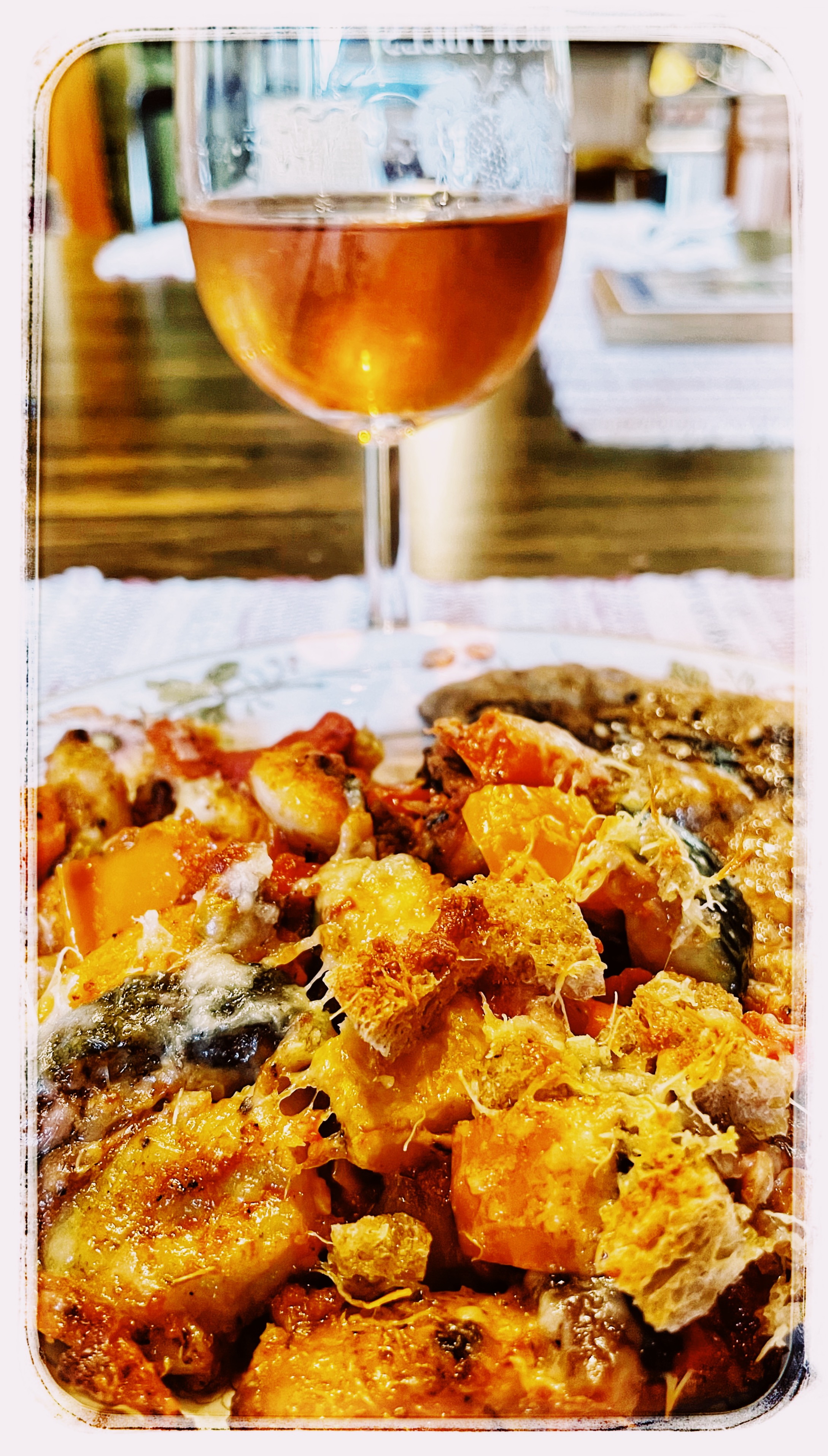
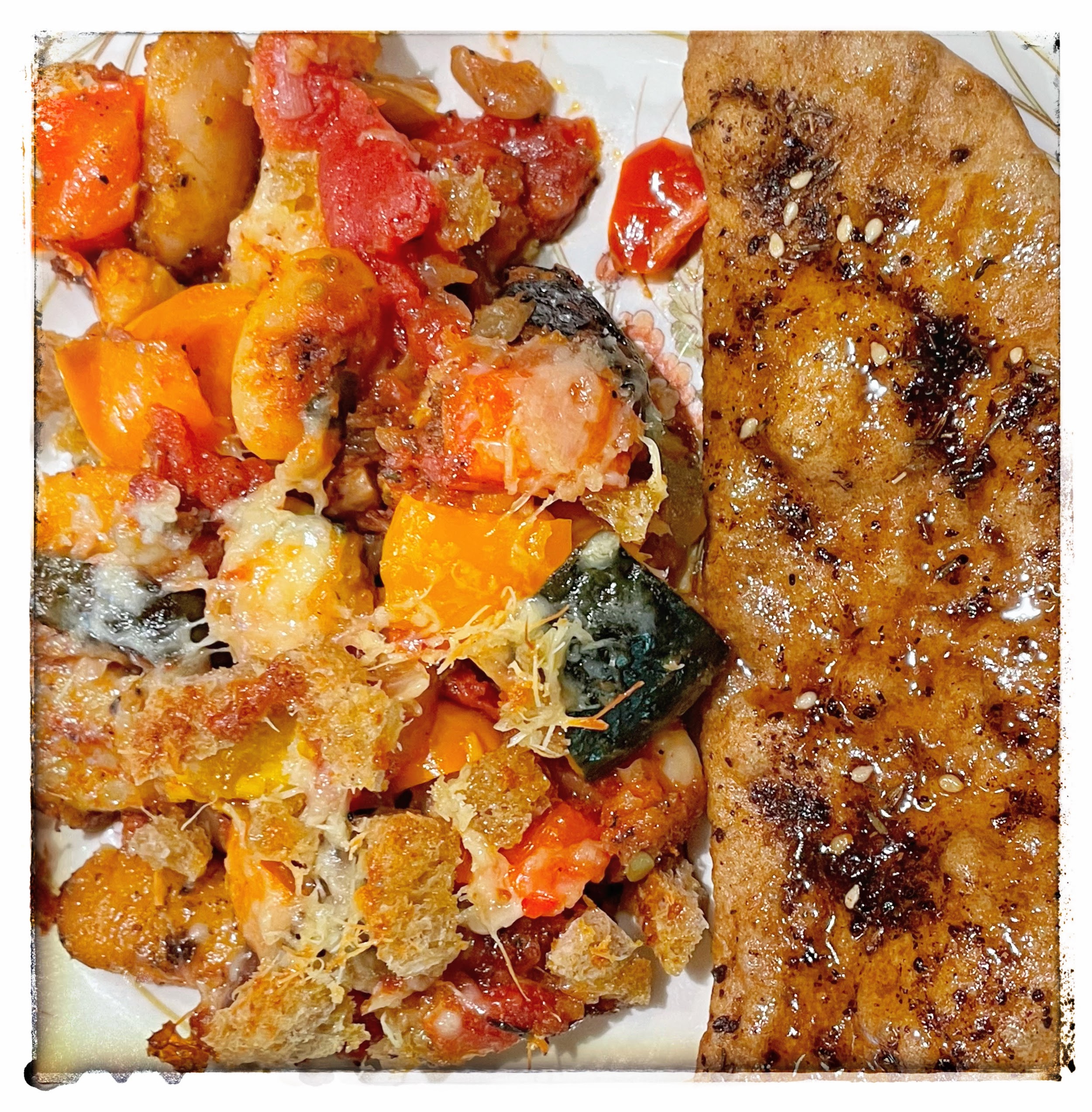
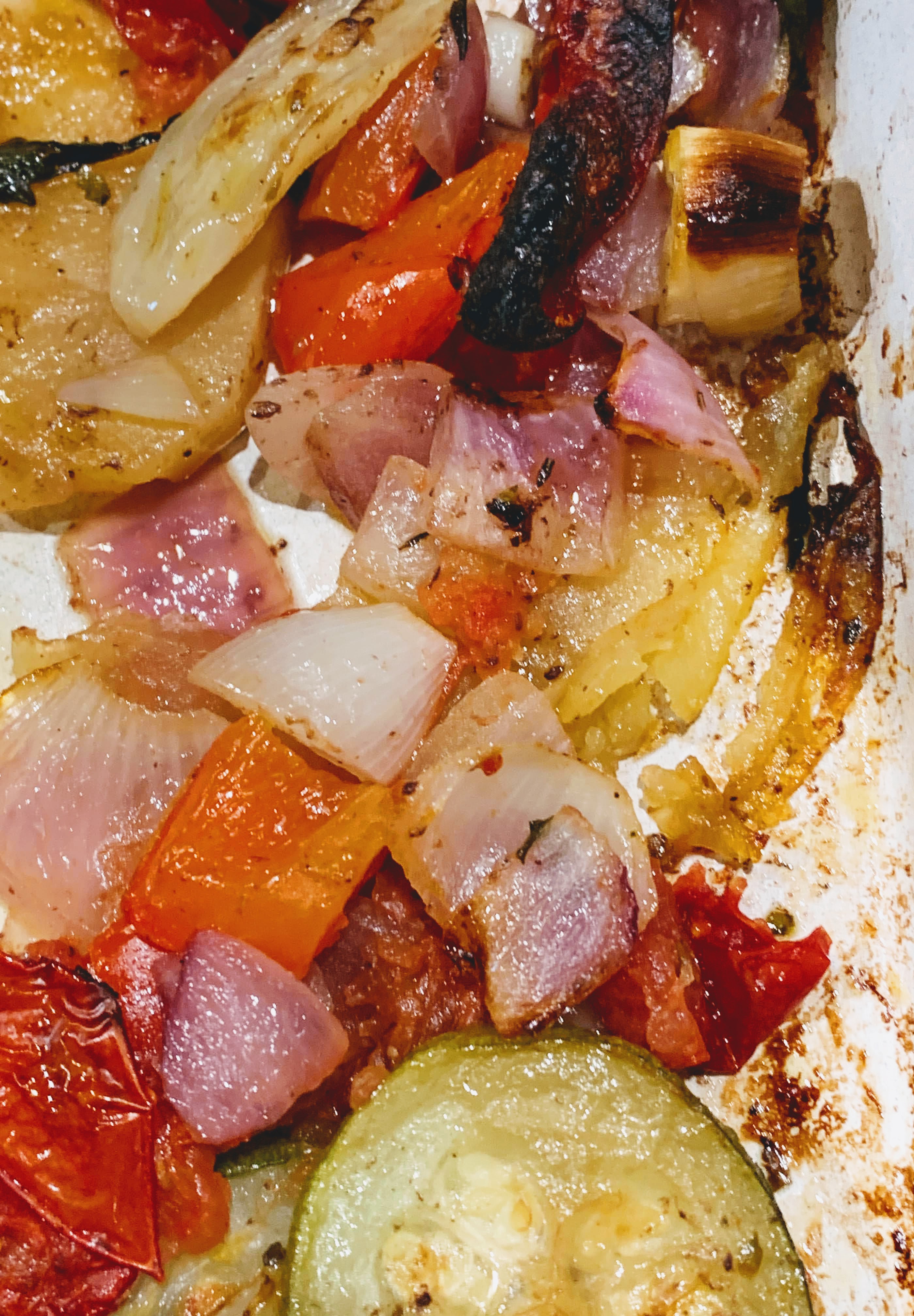
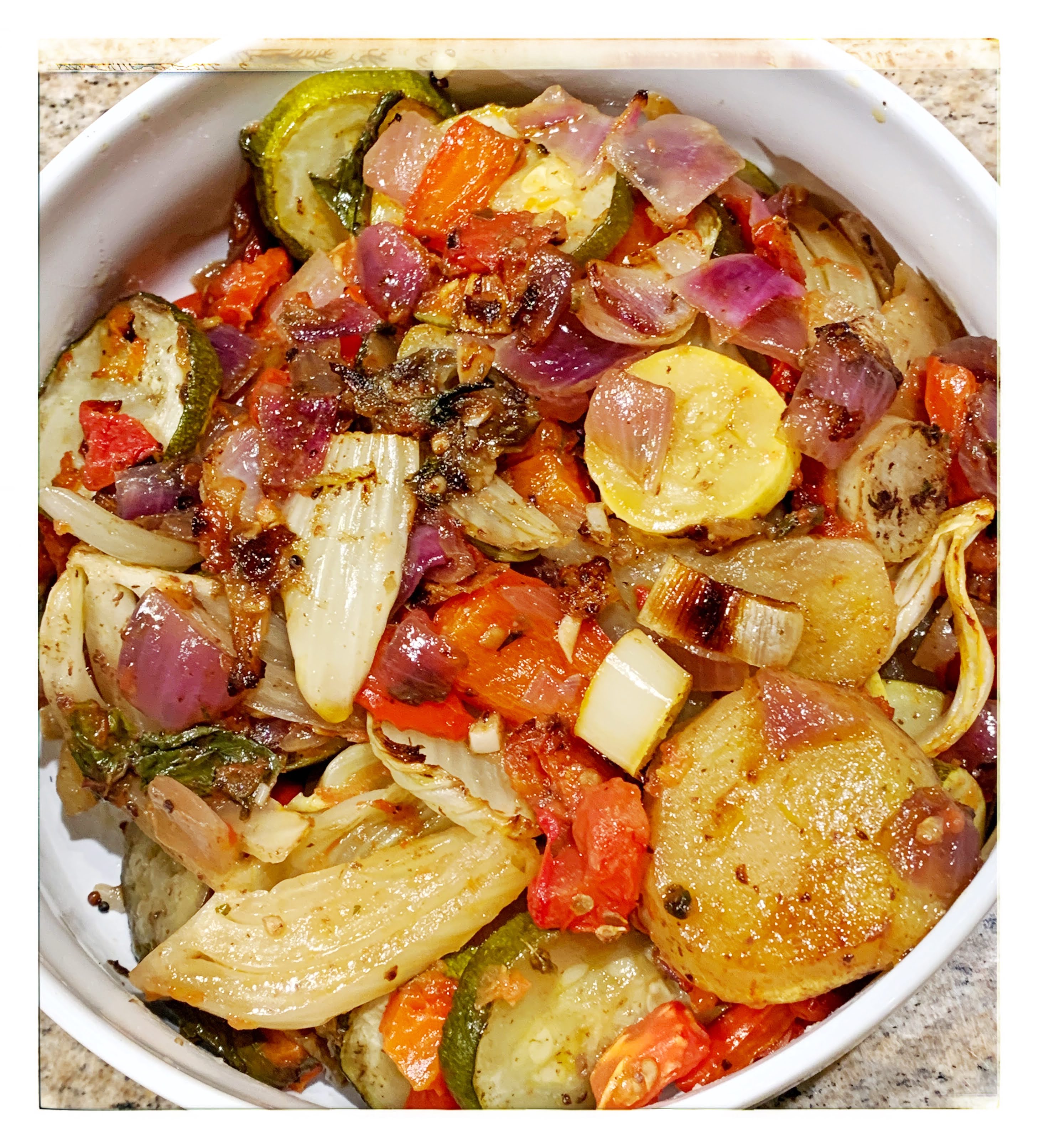
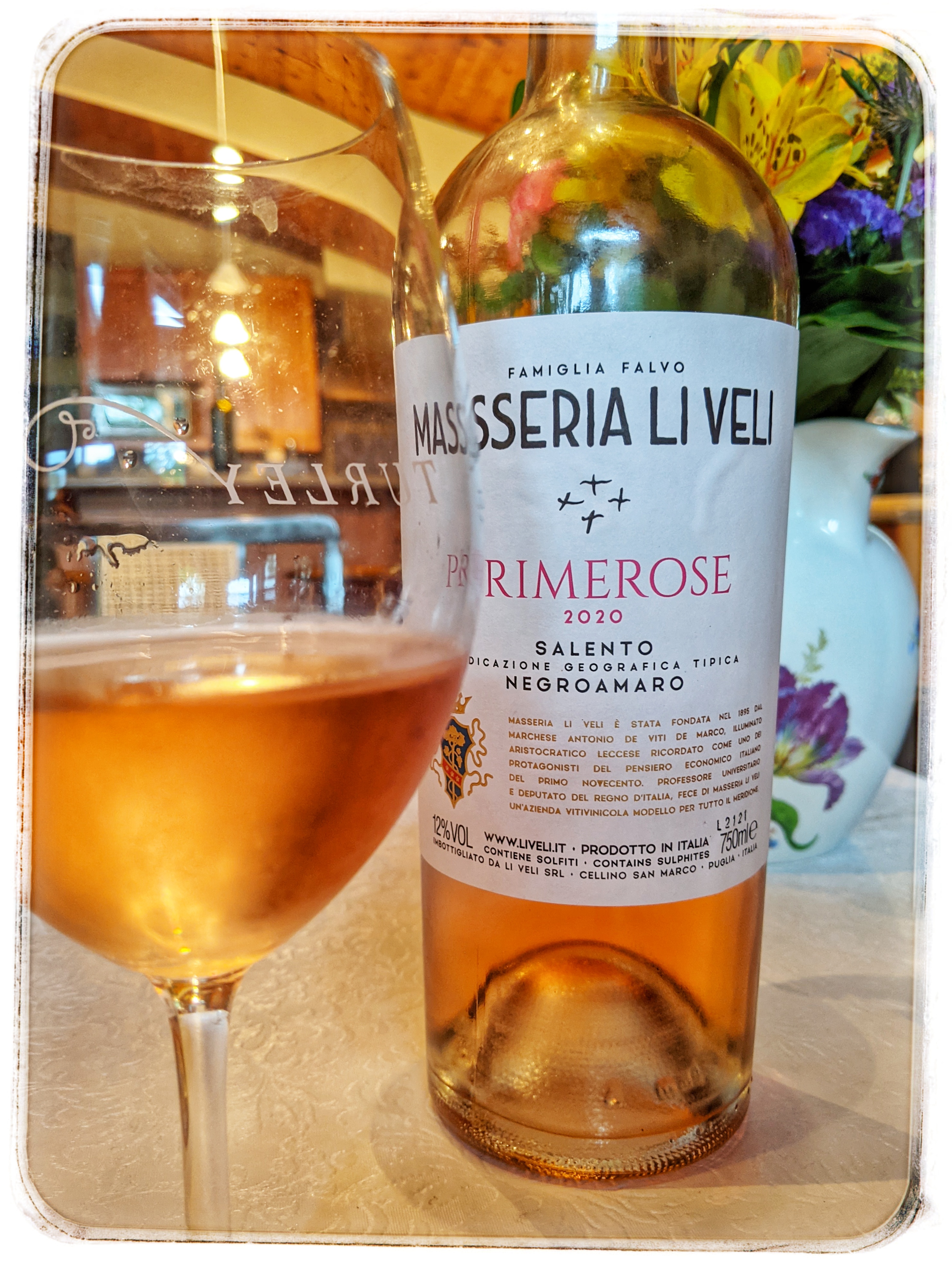
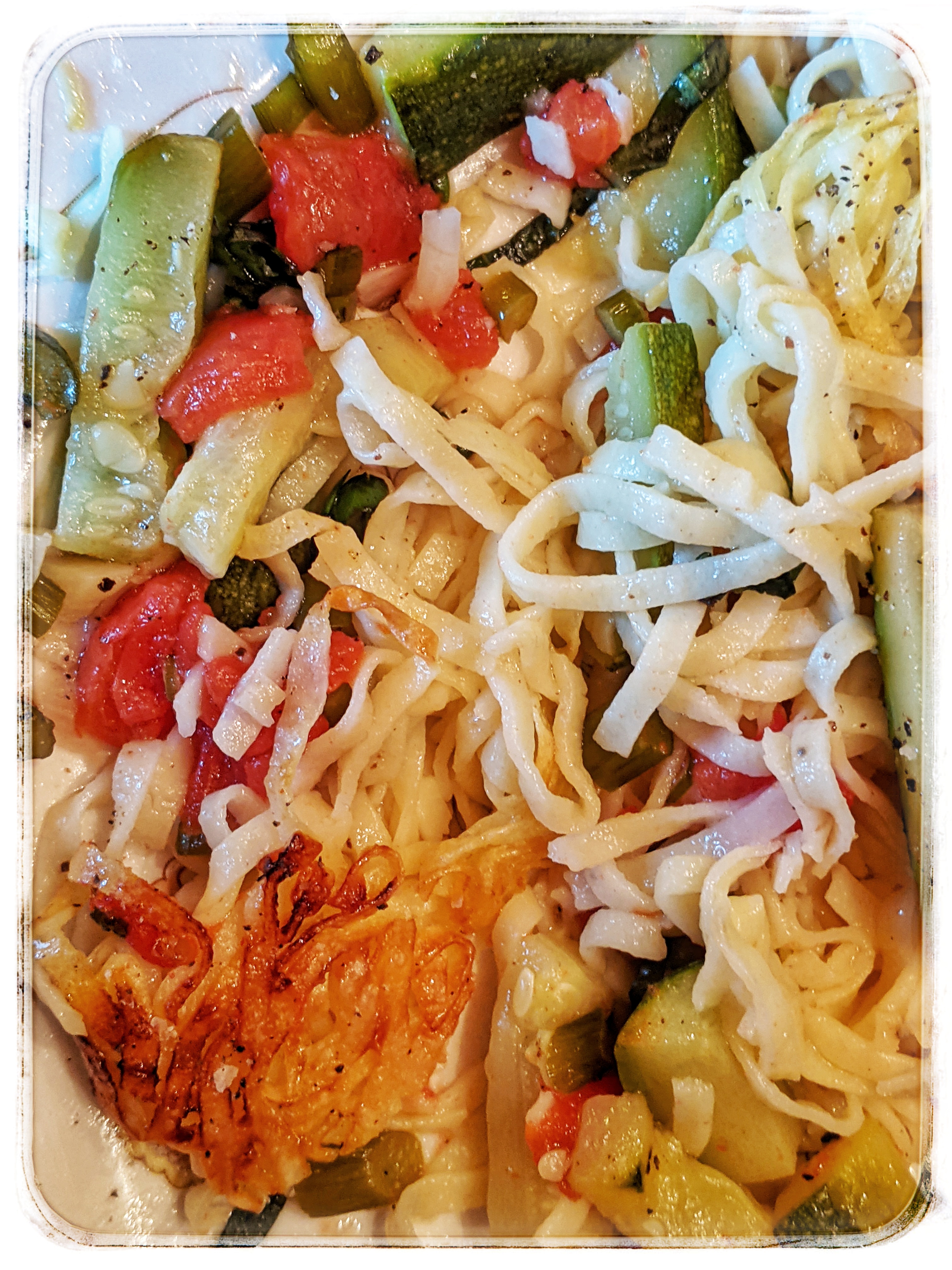
I had some leftover vegetables from a rice dish made a few days earlier, so I combined them with sourdough croutons and grated Montasio cheese to make a crispy baked vegetable dish. Again, the wine was a rosé from Puglia.
baked vegetables with Montasio cheese
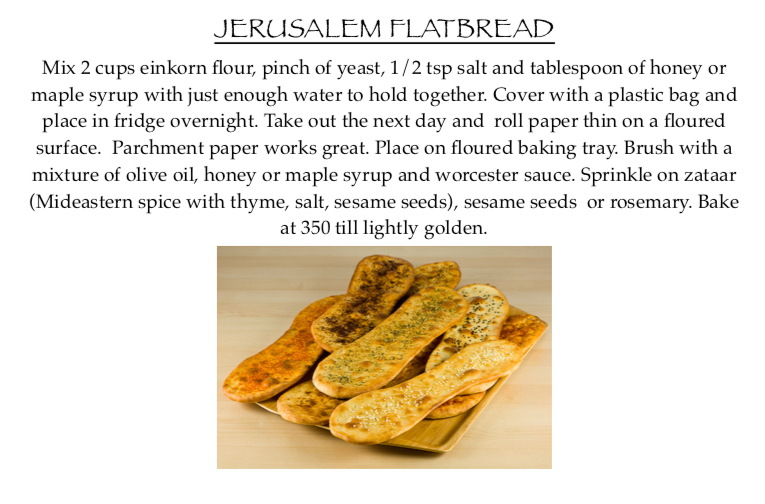
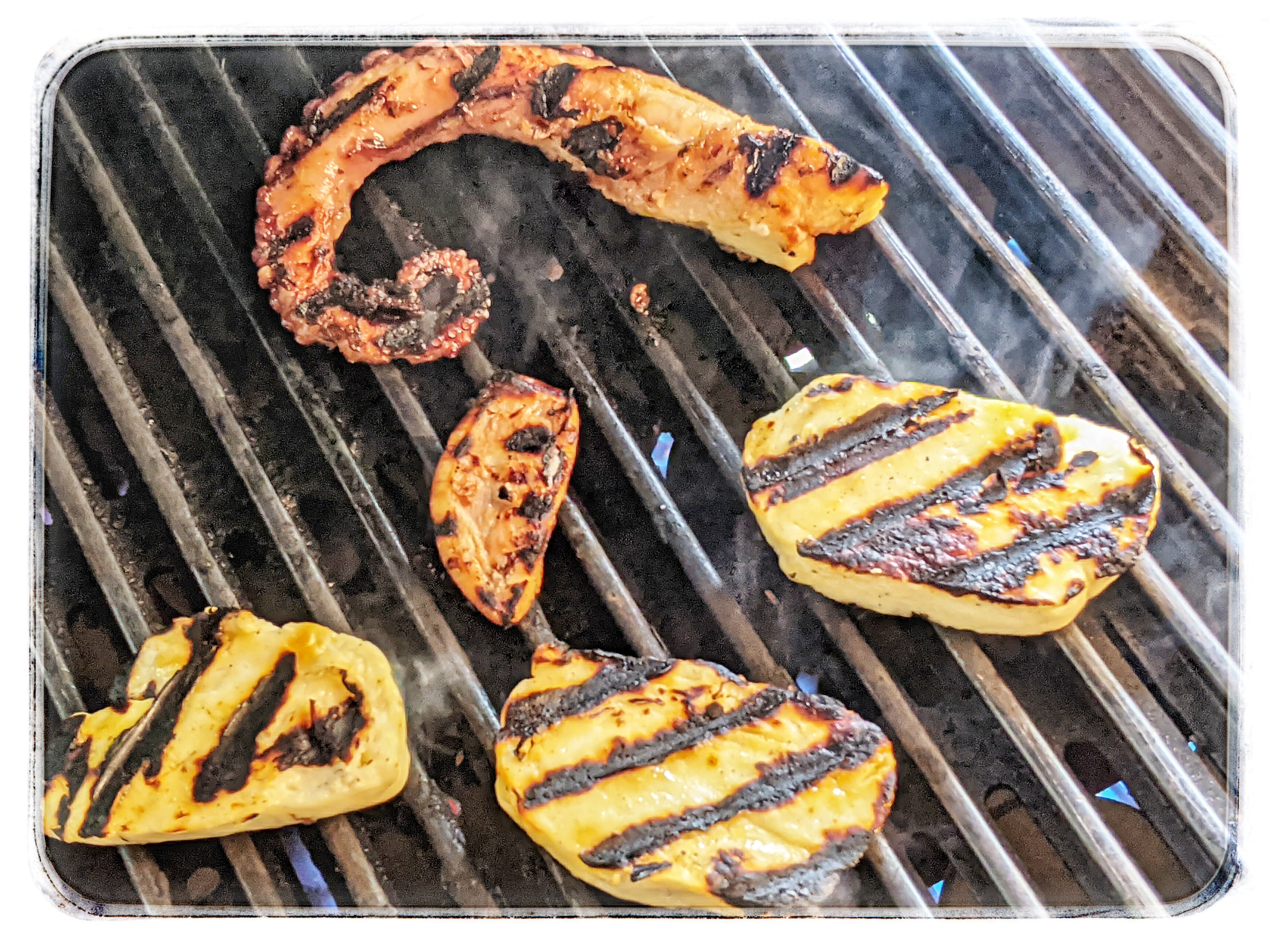
An interesting side dish for this meal was a few pieces of a Jerusalem flatbread/cracker made from Einkorn flour, made more interesting with the flavors of Worcestershire sauce, sesame seeds and Syrian Za’atar.
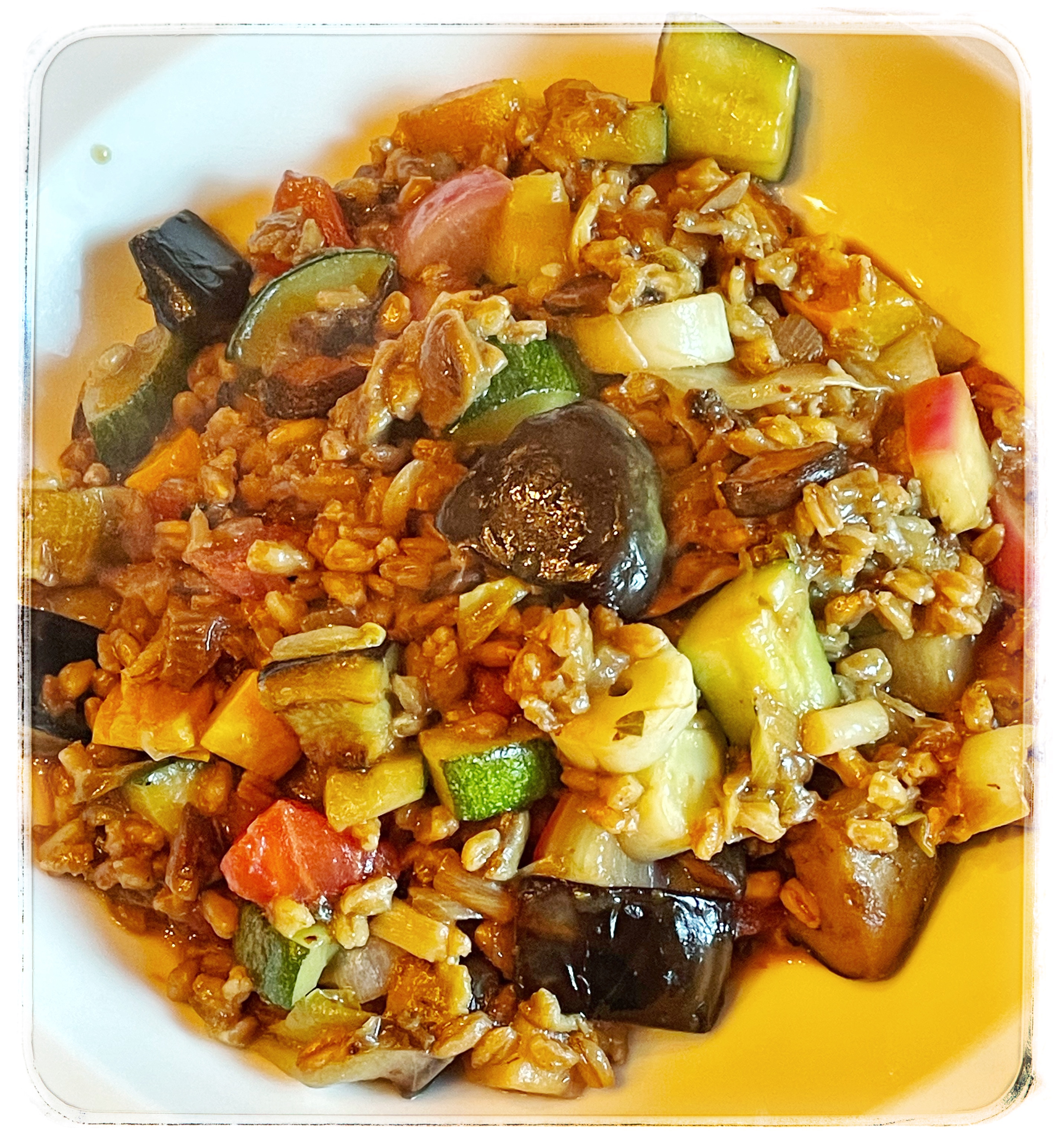
I think Farro is a superb grain. Substantive, flavorful, just chewy enough, and it goes with almost everything. Last week I cooked some with a mess of vegetables for dinner, and it was great. Here is my list of ingredients:
onion
leek
scallions
zucchini (one green, 1/2 of a yellow one)
small eggplant
beefsteak tomato
dried porcini
Shiitakes
radishes
endive
1 quart broth
Maras pepper
I soaked the Farro first for ~45 minutes, then drained it. The vegetables were sautéed in sequence and reserved, and the Porcinis were rehydrated (saving the soaking water) and then cooked with the Shiitakes.
After adding 3-4 Tbs. of olive oil to my widest sauteuse, I cooked the Farro for about 5 minutes, to crisp up the grains. At this point I started to add broth (liquid from the chickpeas I had cooked a few days earlier), 1-2 cups at a time — almost like making risotto. After about 10 minutes, I added the onions/leek/scallions, and continued cooking. Next, it was time to add the sautéed mushrooms, along with the Porcini soaking liquid. Some Turkish Maras pepper was sprinkled in to add some warmth and spice to the dish.
This slow sauté continued — adding the remaining vegetables and more broth — for about 45 minutes in total. You can test taste the Farro as you go along, so you know when it is tender enough for your tastes.
Barbara doesn’t like Farro (too chewy), so I saved some of all the vegetables and served them to her with a quinoa/brown rice mixture, heated in a microwave.
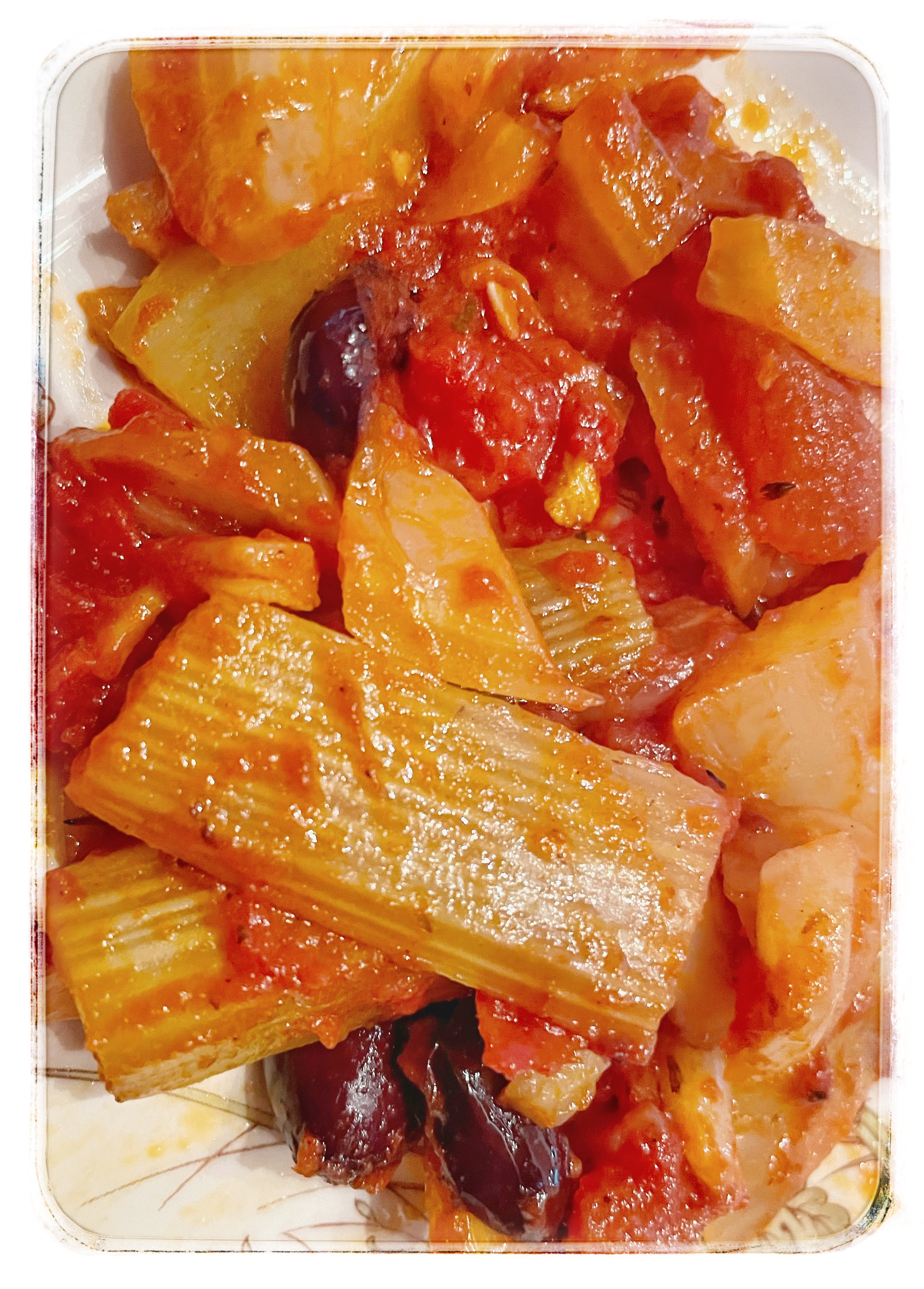
As a side dish, I braised chopped fennel, celery stalks (cut 2-3 inches long), chopped tomato, and pitted/chopped Kalamata olives in another sauté pan. The results:
Farro and vegetablesbraised celery, fennel, and tomato
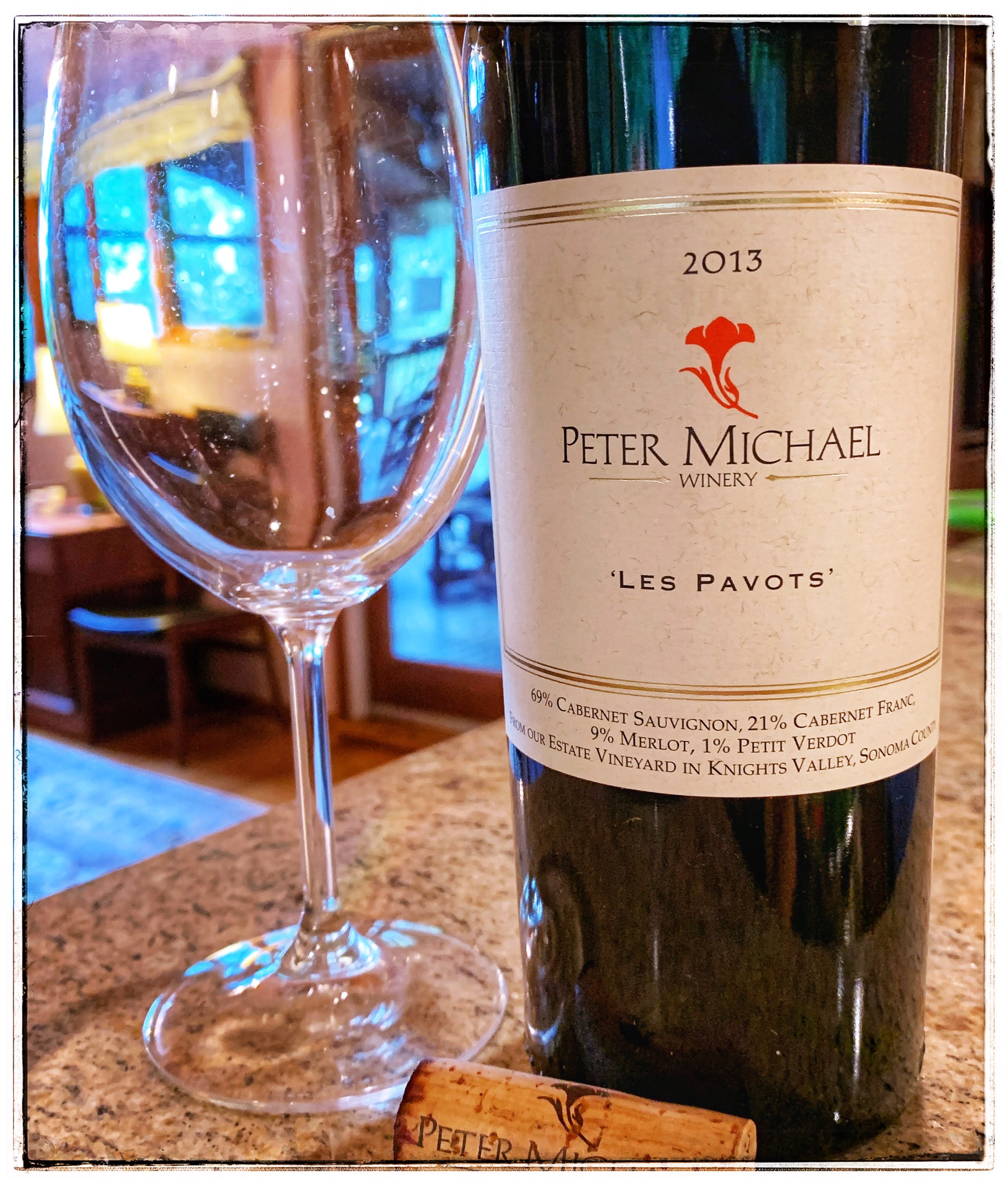
The wine was probably an Italian rosé, from Negroamaro grapes.
These are some of my favorite photos from July’s food and wine adventures.
Wine and Small Plates with Friends
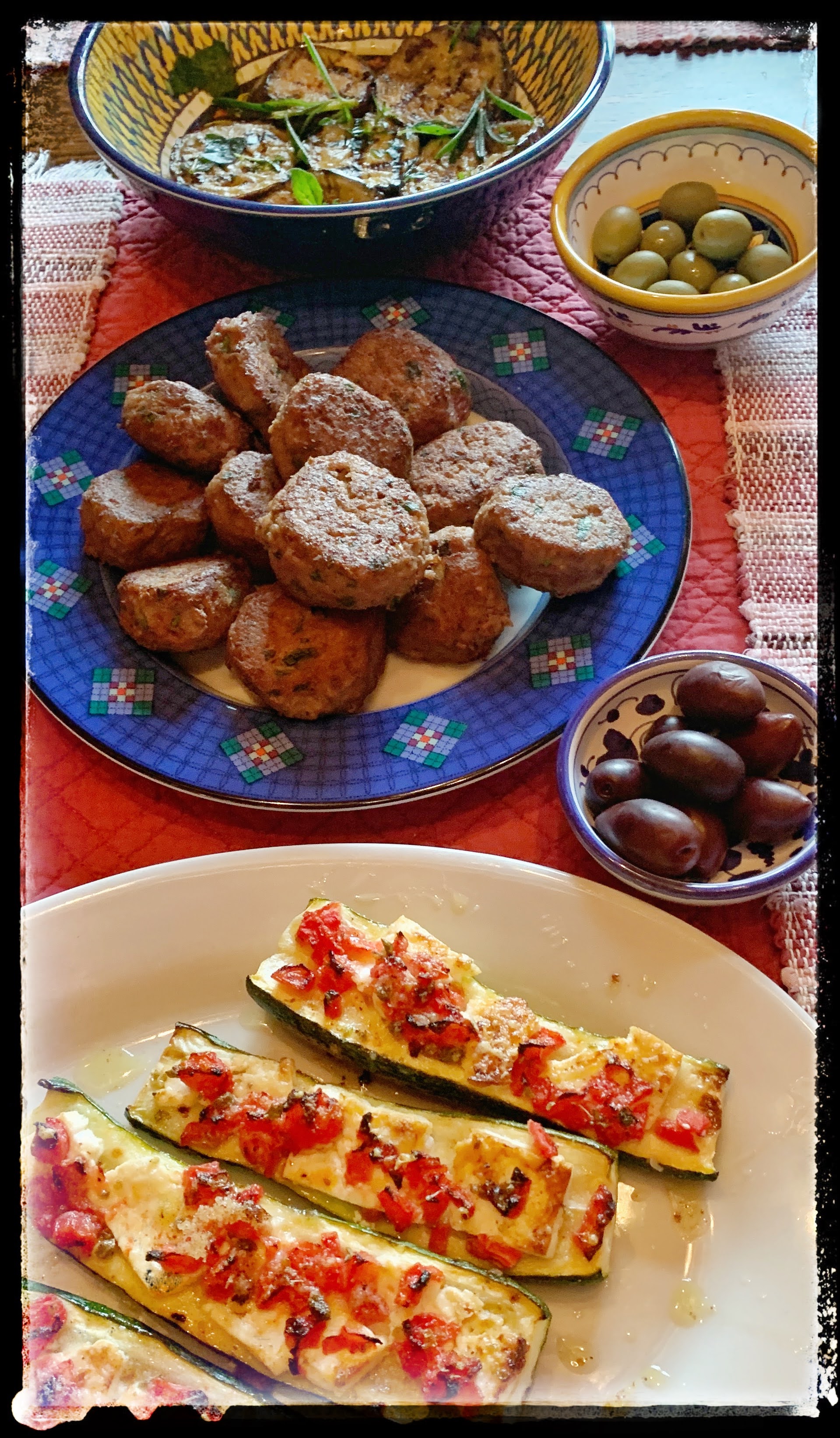
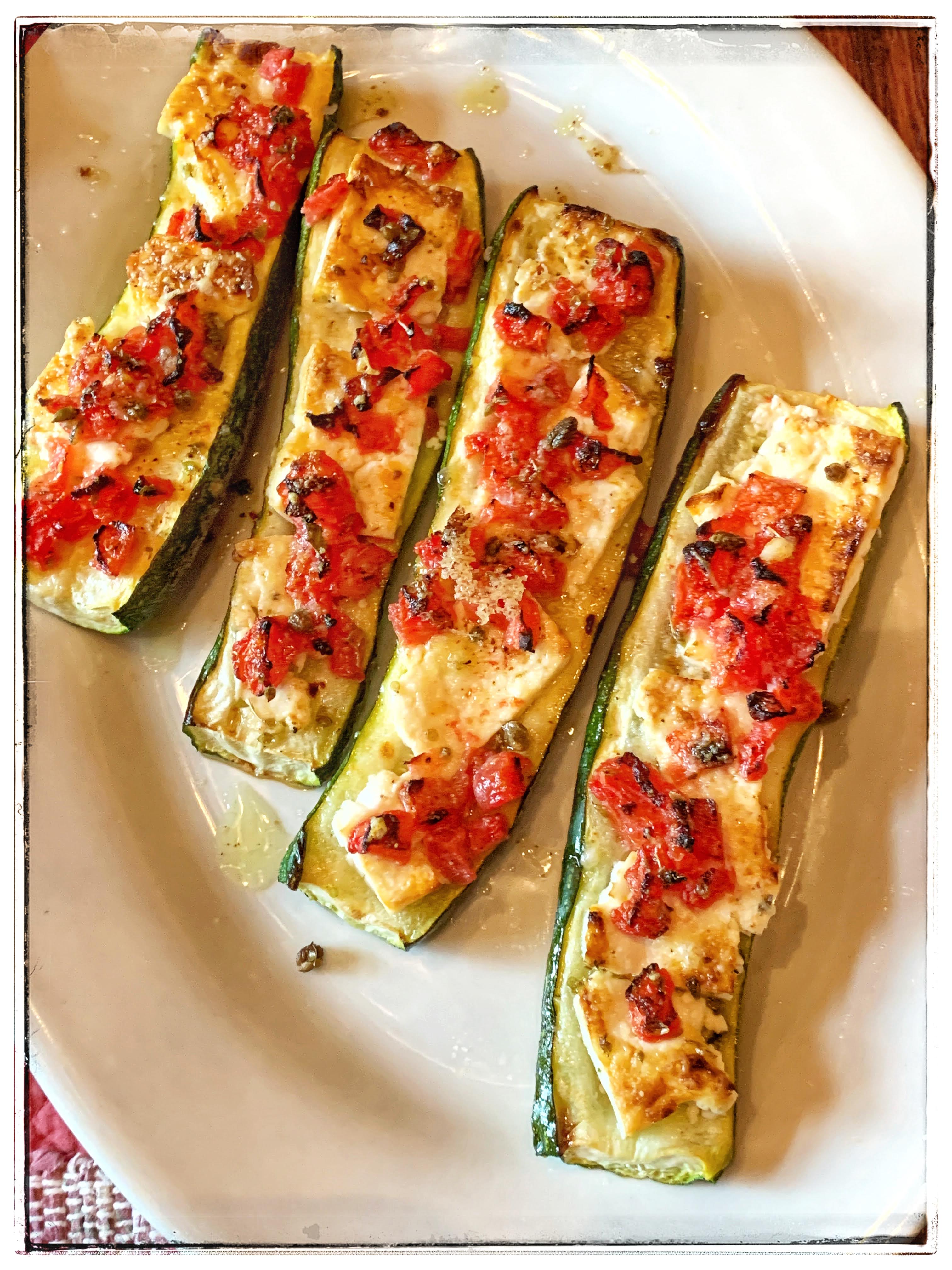
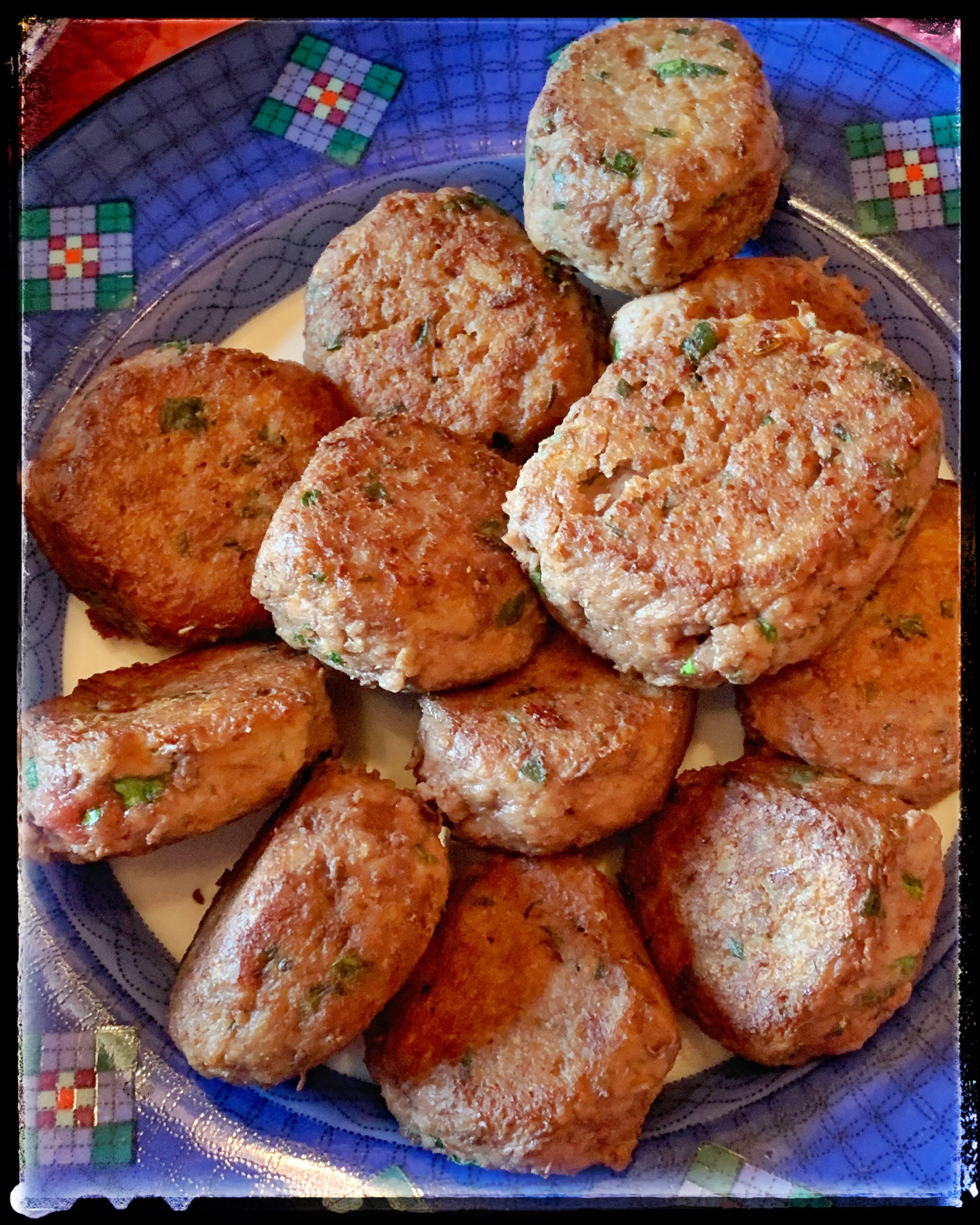
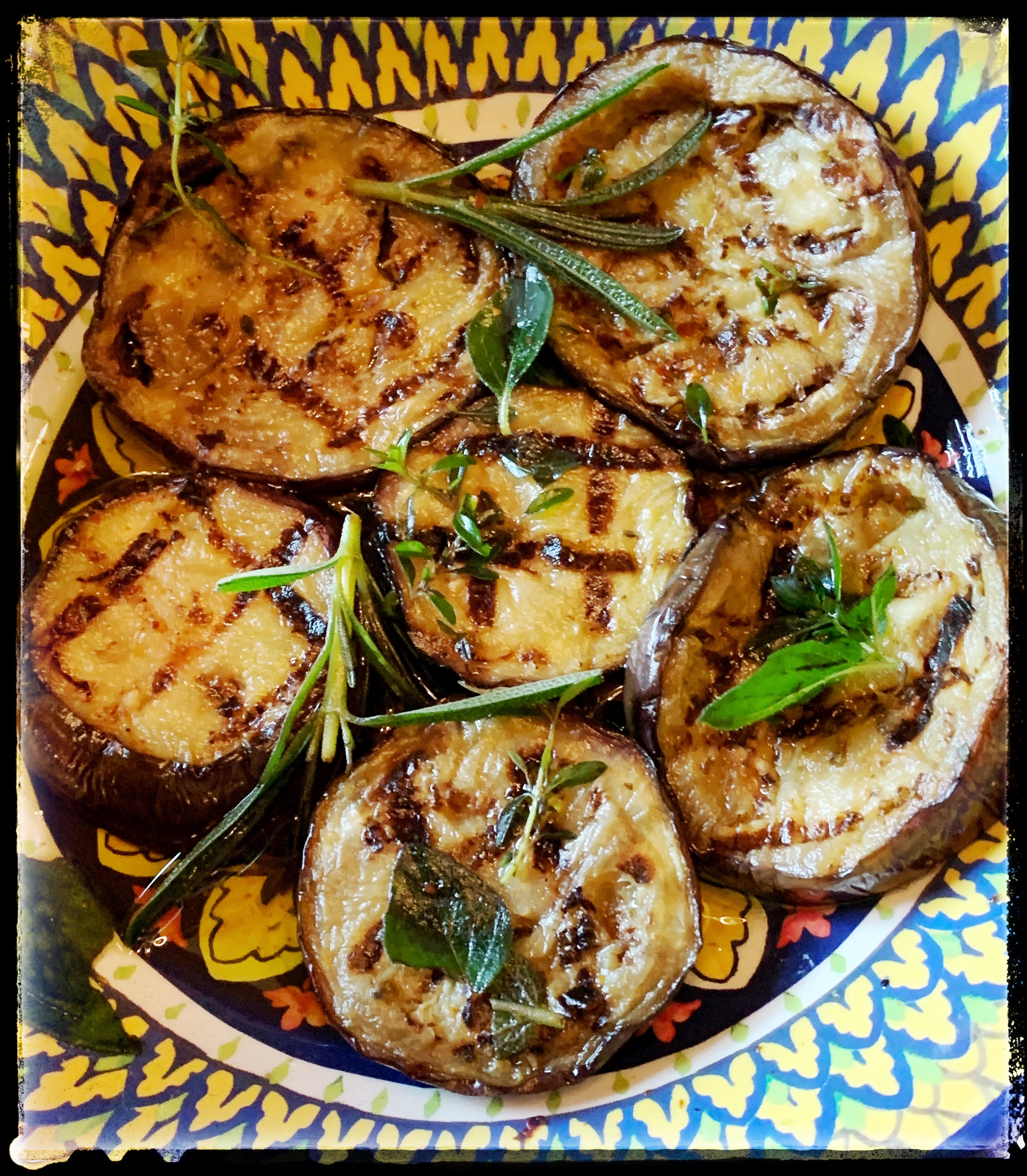
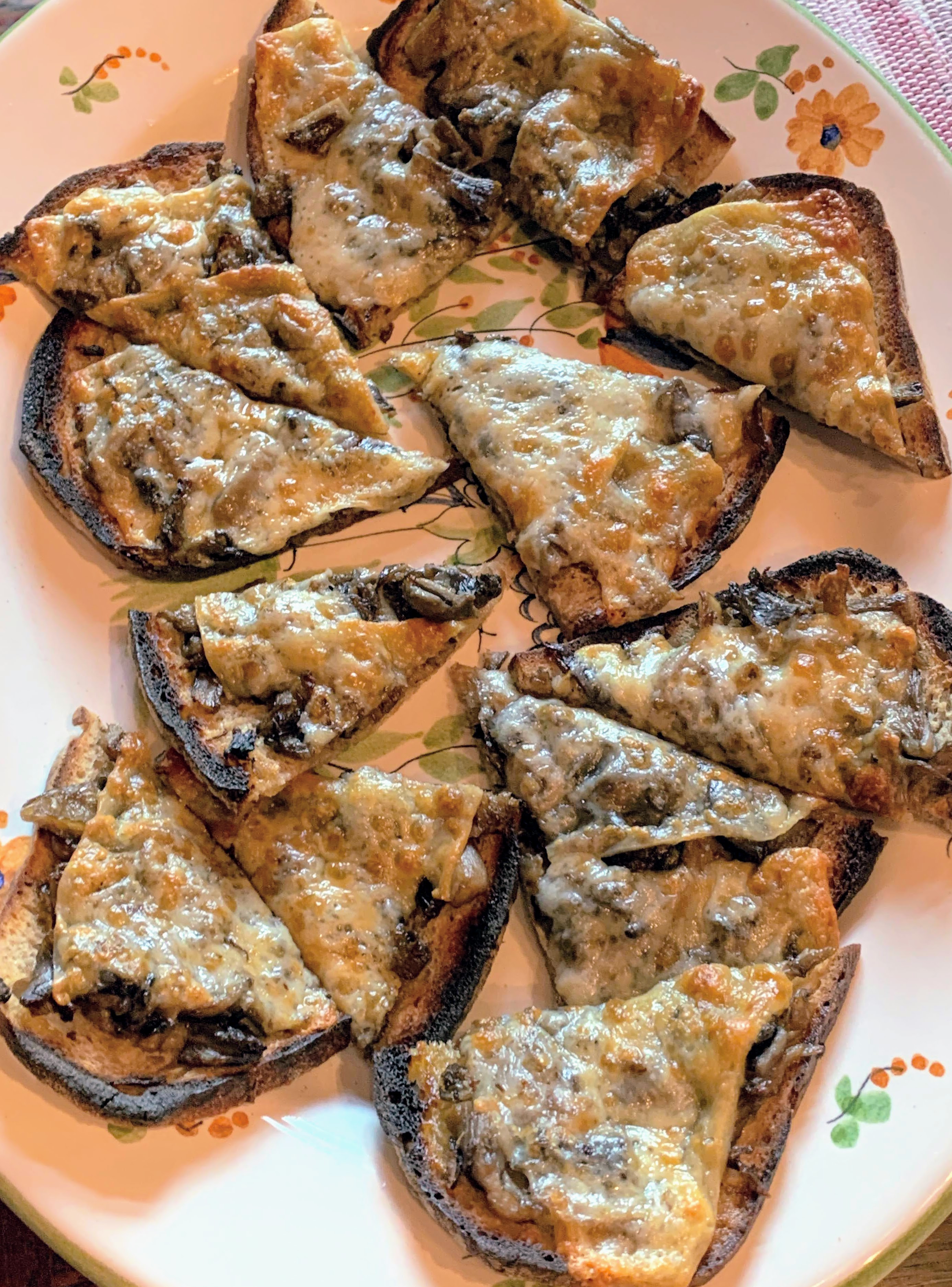
the Main Eventwhat’s to eat…broiled zucchini and plum tomato and Feta cheeseImpossible Burger Meatballsgrilled eggplant with herb and Portuguese vinegarMy sourdough bread, Grilled with Oyster mushrooms and Manchego Cheese (OK, they’re a bit burned on the edges…)
Snapshots
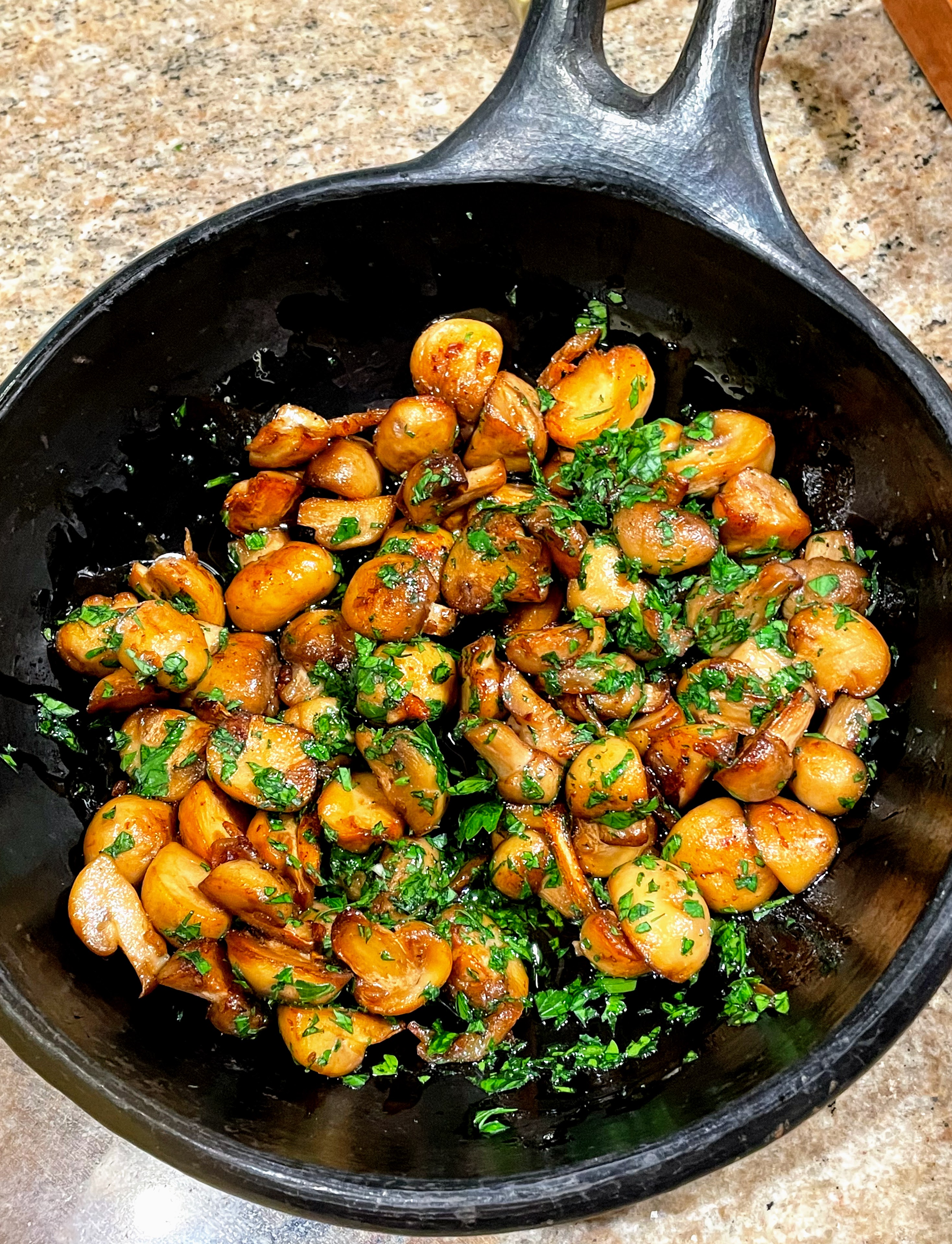
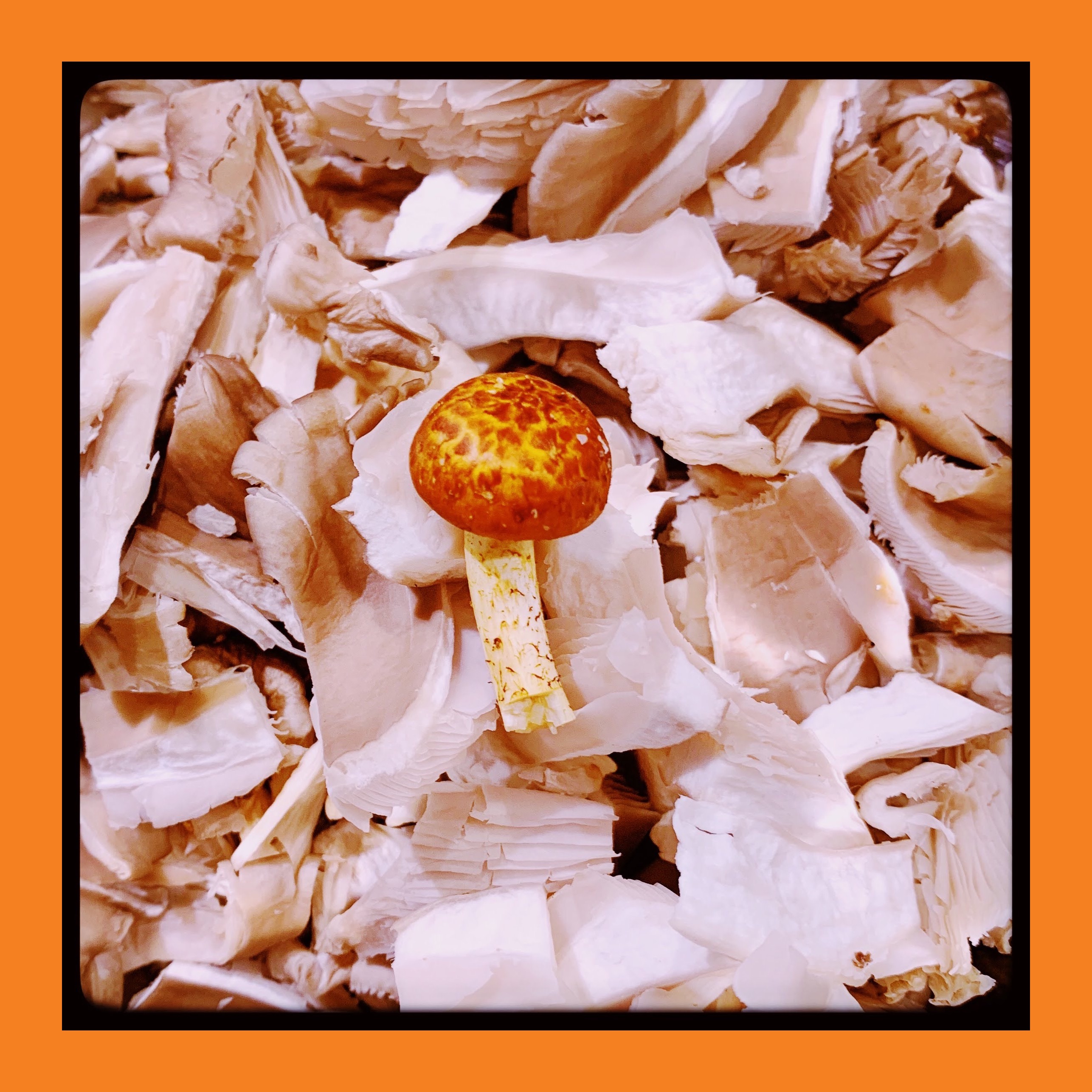
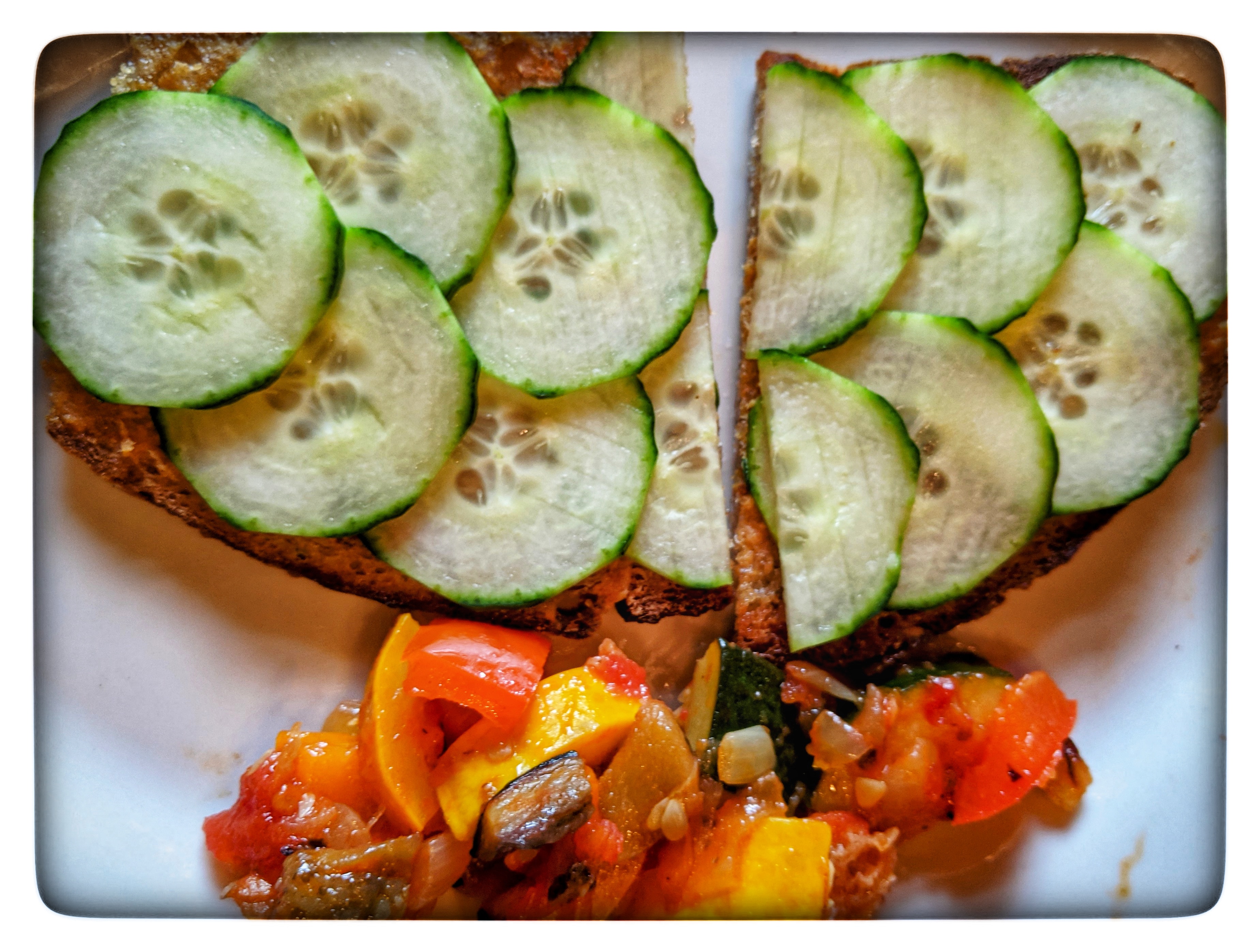
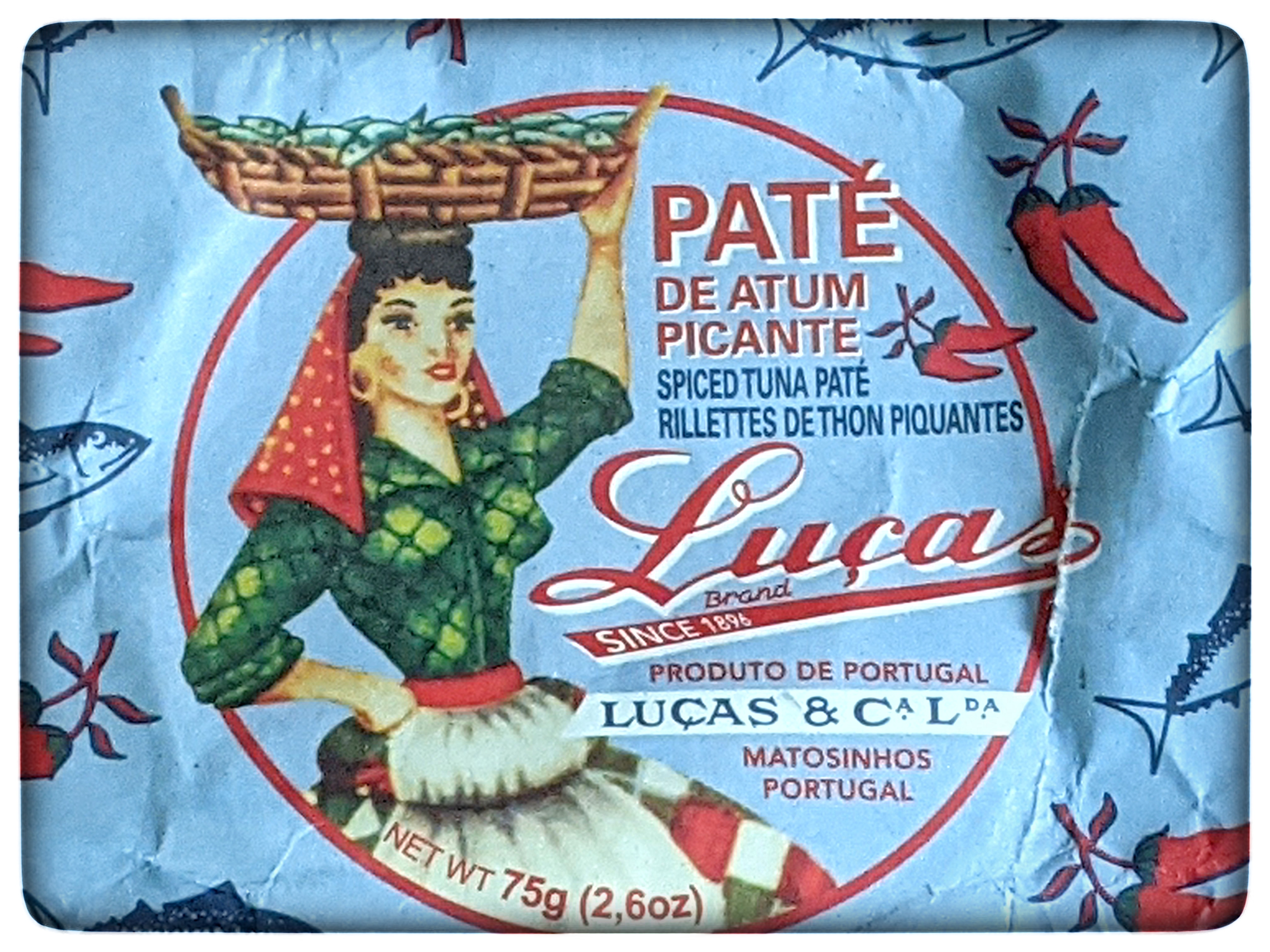
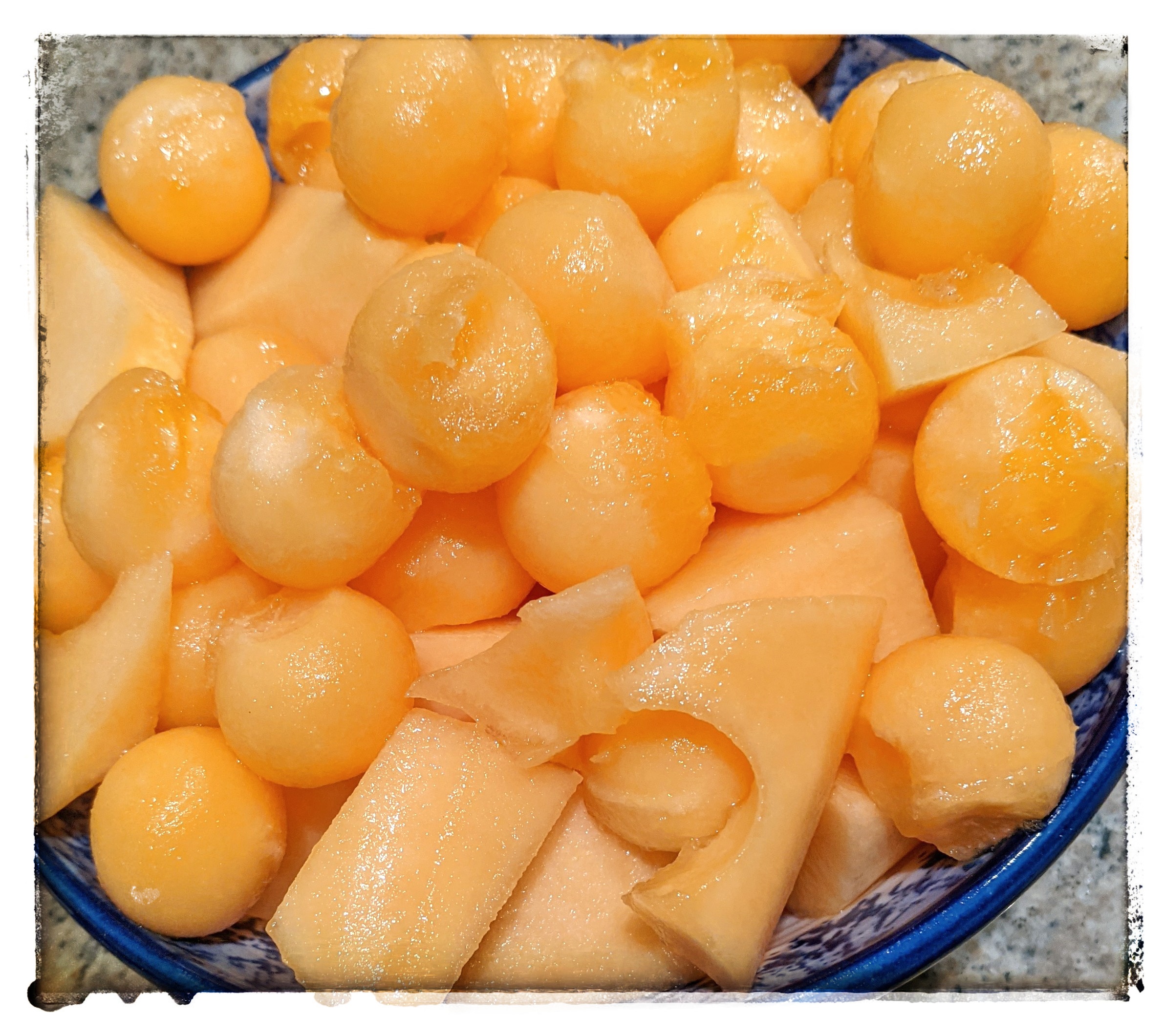
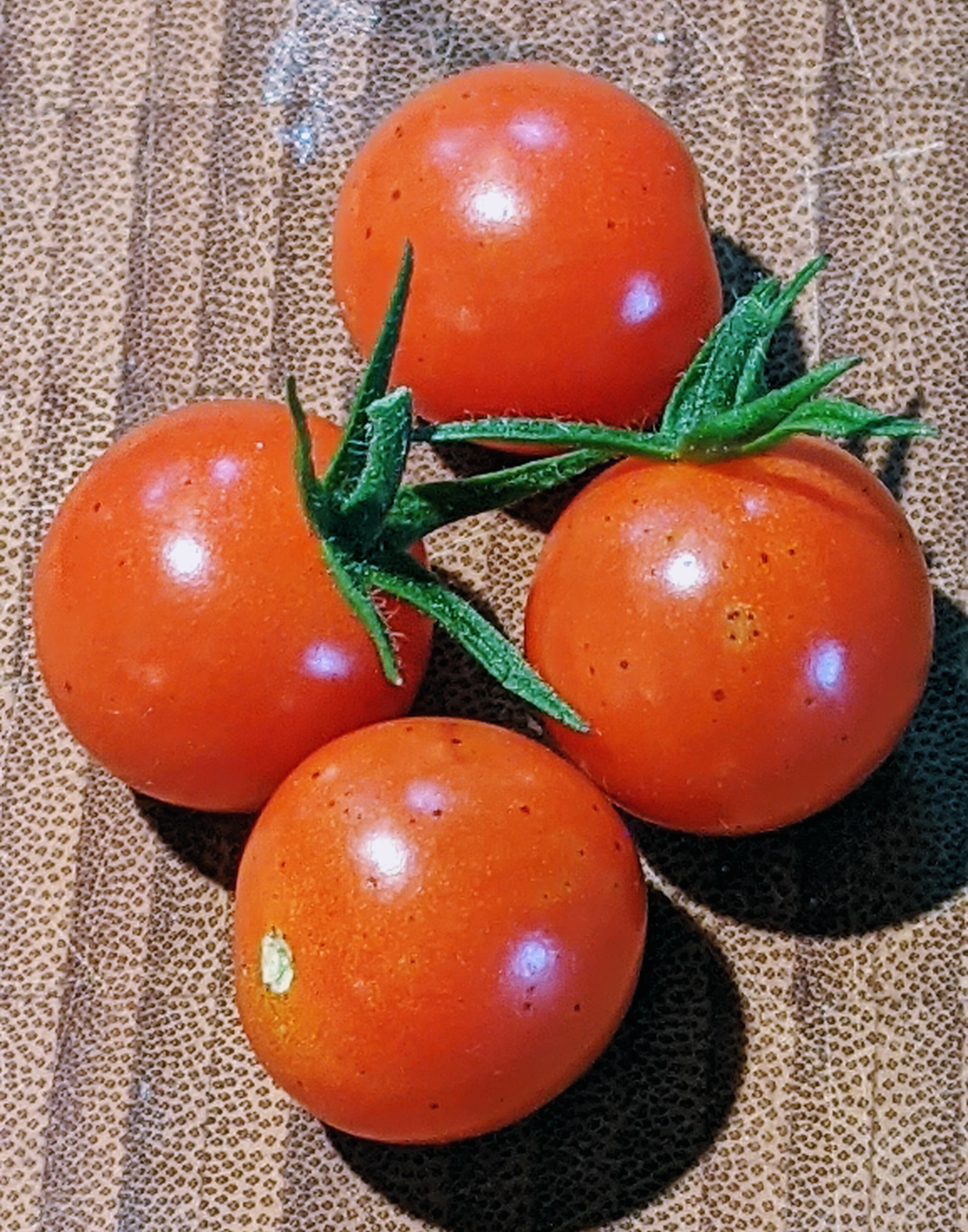
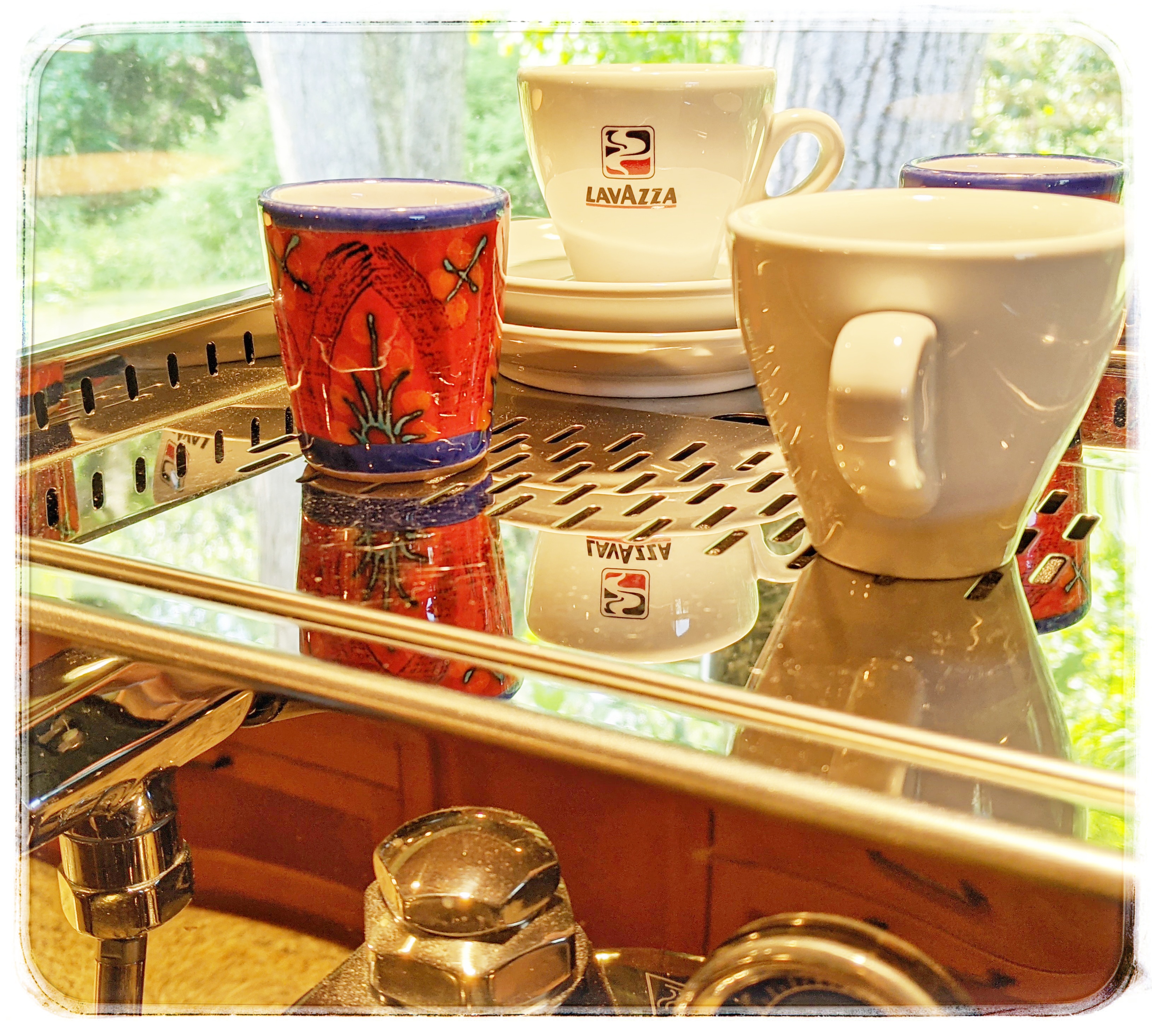
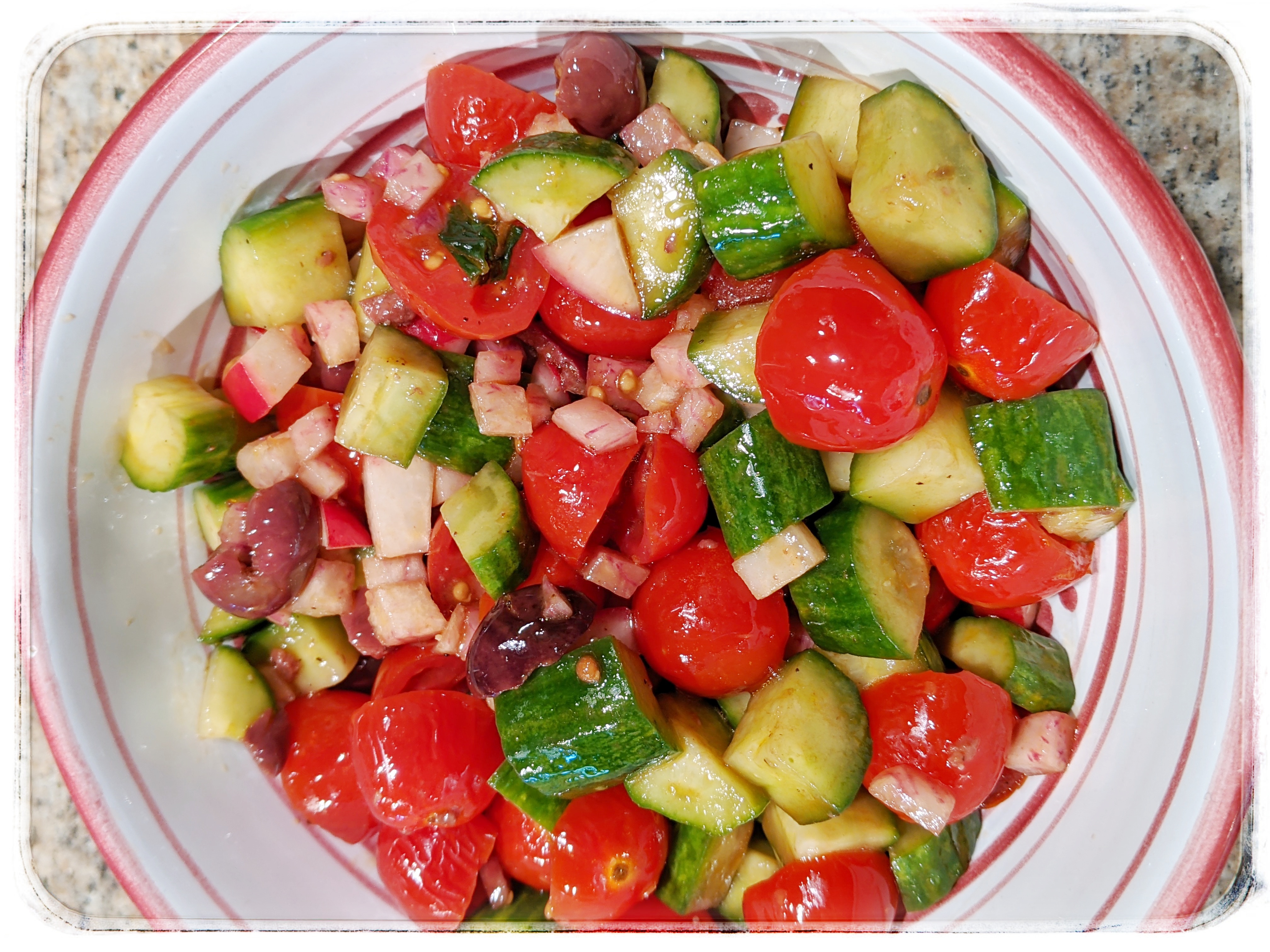
Appetizer — mushrooms with garlic, parsley and chili pepperexcellent white wine from CampaniaOyster Mushrooms and one ChestnutBruschetta with Spicy Tuna Paté and Cucumbers, side order of sautéed veggiesPortuguese Spicy Tuna Paté from Portugaliaorange-fleshed honeydew melonour cherry tomatoes, grown in pot on our deckview on the top of my espresso machinecucumber, tomato, radish, black olive chopped salad
This is another post in an abbreviated form, so you can gain the essence of the experience quickly and extract what is useful to you.
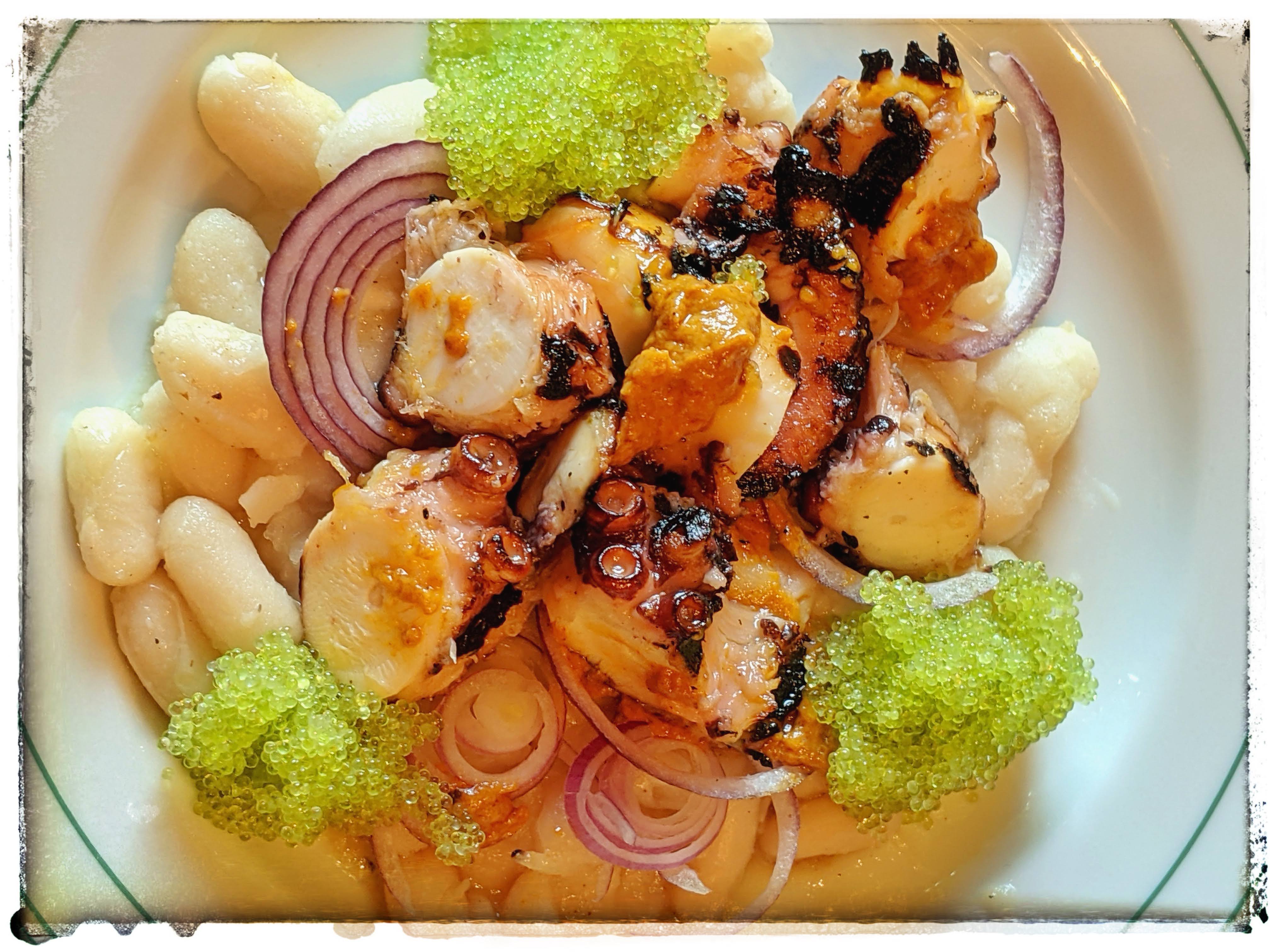
Lunch was Grilled Octopus, combined with white beans, red onion, rouille, and flying fish roe (Tobiko in Japanese), flavored with Wasabi (spicy horseradish used with sushi).
For the octopus salad I chose a Ligurian white wine that went nicely.
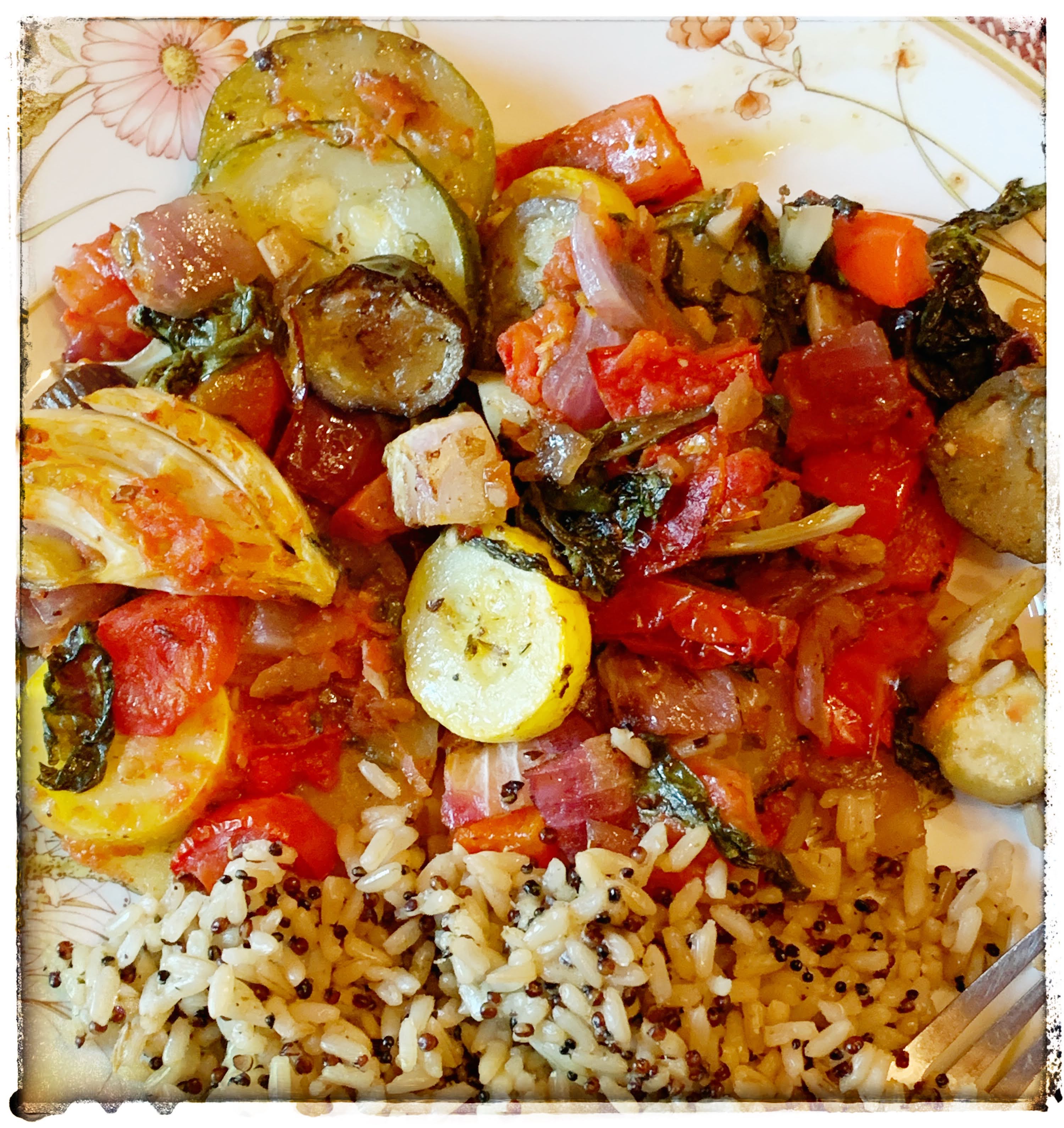
As I often do, my larger meal — dinner — is vegetarian or vegan, following a lunch that might feature animal protein in moderate quantities. Briam is a Greek baked vegetable dish I make often, with whatever veggies are available/are most appealing.
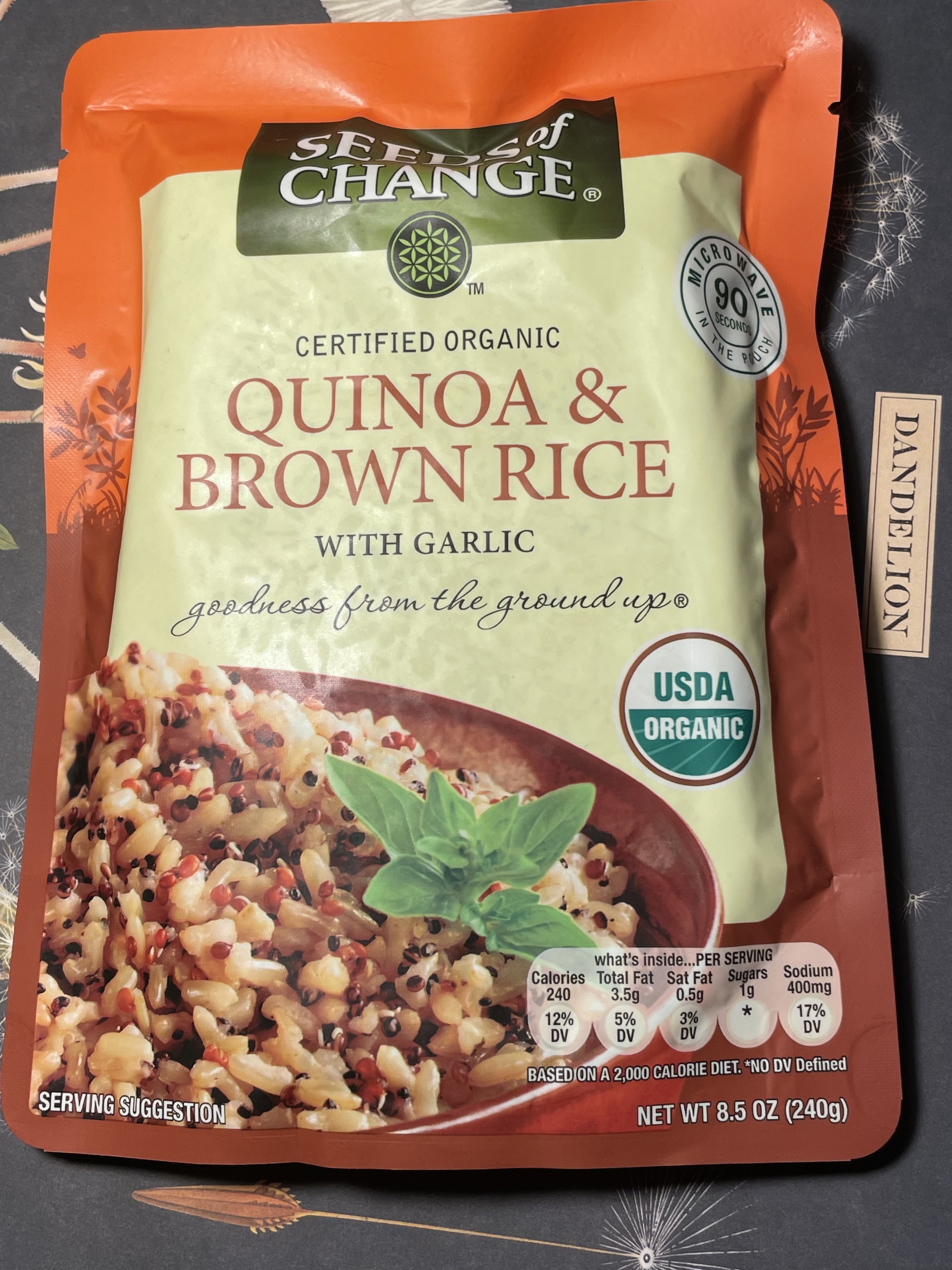
An easy way to make the meal complete is to open a package of “Seeds of Change” organic Quinoa and Brown Rice, to serve with the veggies. This package takes 90 seconds in the microwave, it tastes good, and it’s healthy — a hard-to-beat combination. It’s a study in contrasts that I will happily spend three days preparing my octopus dish or several hours making my fresh pasta, and on the other hand I’m totally fine with a package from BJs Wholesale Club that cooks in a minute and a half.
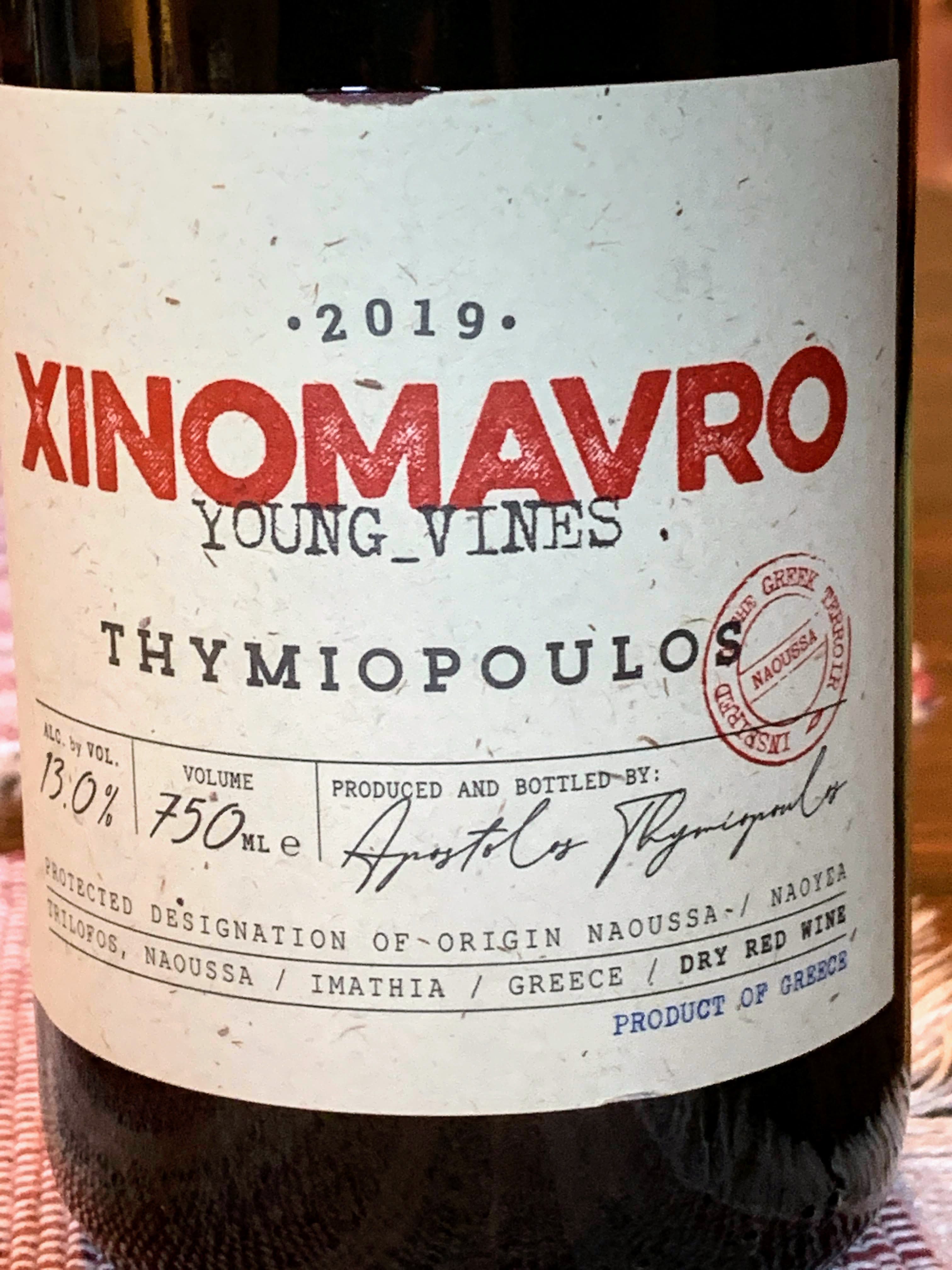
A good, young Greek wine was a delicious match for the Briam.
Here’s a quickie that demonstrates several of my current favorite food elements: sourdough bread, octopus, homemade pasta, cheese, wine, and olive oil.
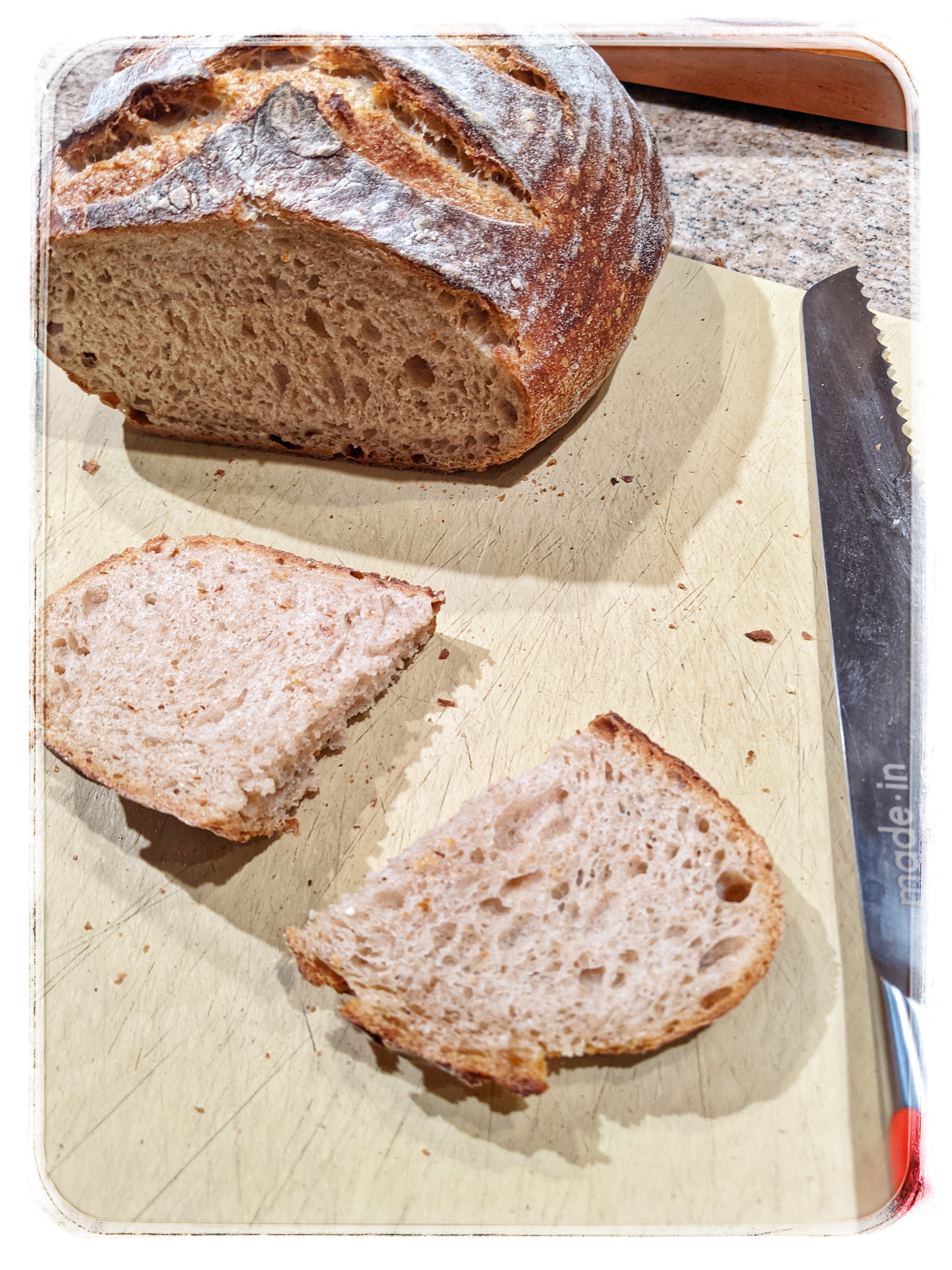
My Sourdough Bread with Octopus, Chickpeas and Halloumi
Homemade Fettuccine with Vegetables
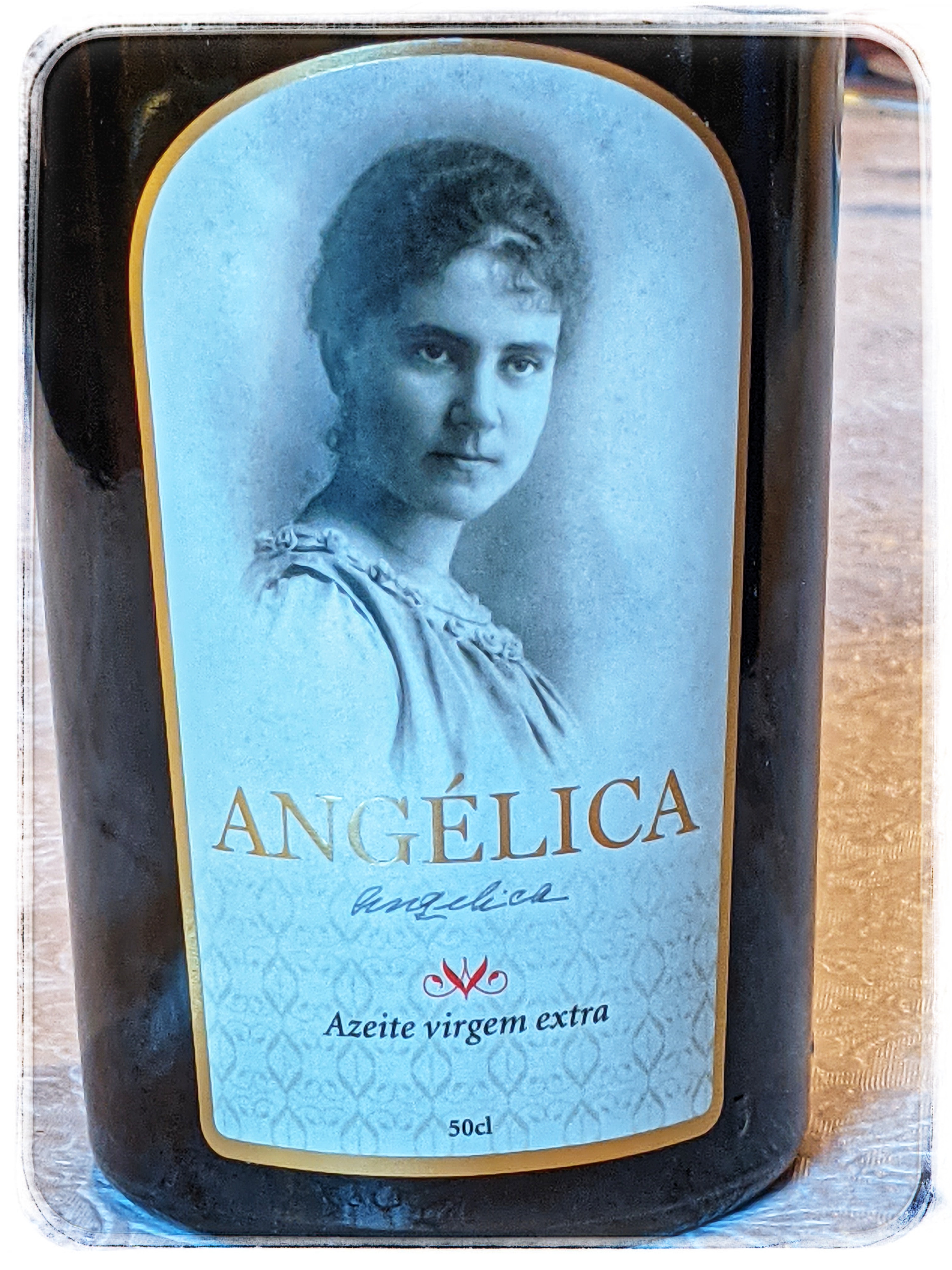
That was lunch. Dinner that night featured my homemade Fettuccine with a whole mess of vegetables. A very good Portuguese olive oil and a red wine from Campania (varietal Piedirosso) made the dish sing.
I want to try out a new approach for some of my blog posts. Rather than attempt to tell a story along with our cooking, I will just post one or more dishes with a short description and, perhaps, a recipe. With the accompanying photos, these may just be enough to inspire something you want to make or search out for yourself.
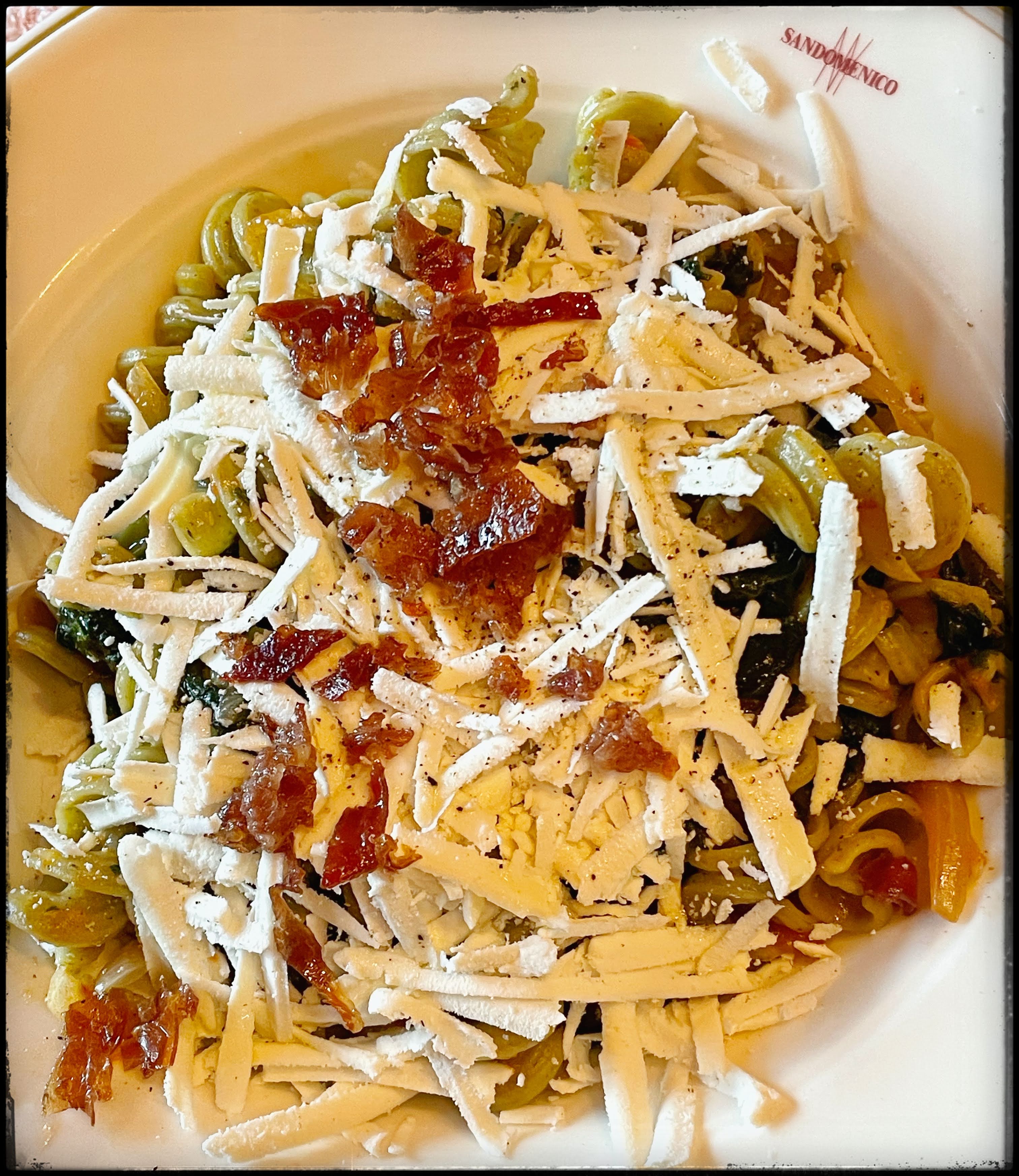
Spinach Radiatori, with Spinach, Prosciutto, and Ricotta Salata
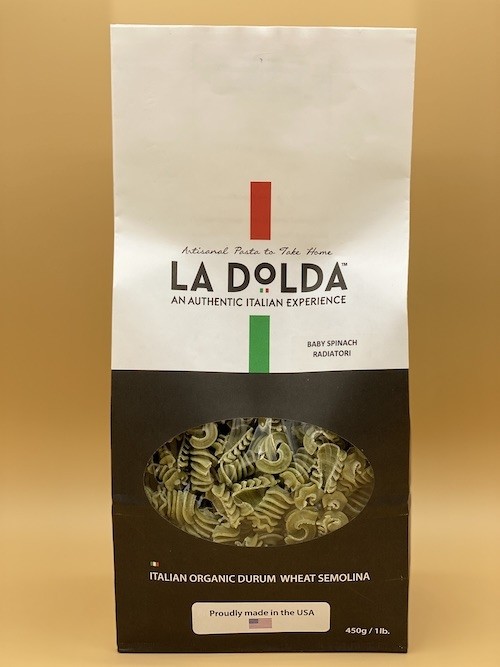
This was a simple pasta dinner a few weeks ago. A package of La Dolda dried pasta
Baby Spinach Radiatori
Cooked the pasta, steamed some fresh spinach and mixed with the pasta. Topped with fried pieces of the last two prosciutto slices left in the refrigerator, and then grated Ricotta Salata.
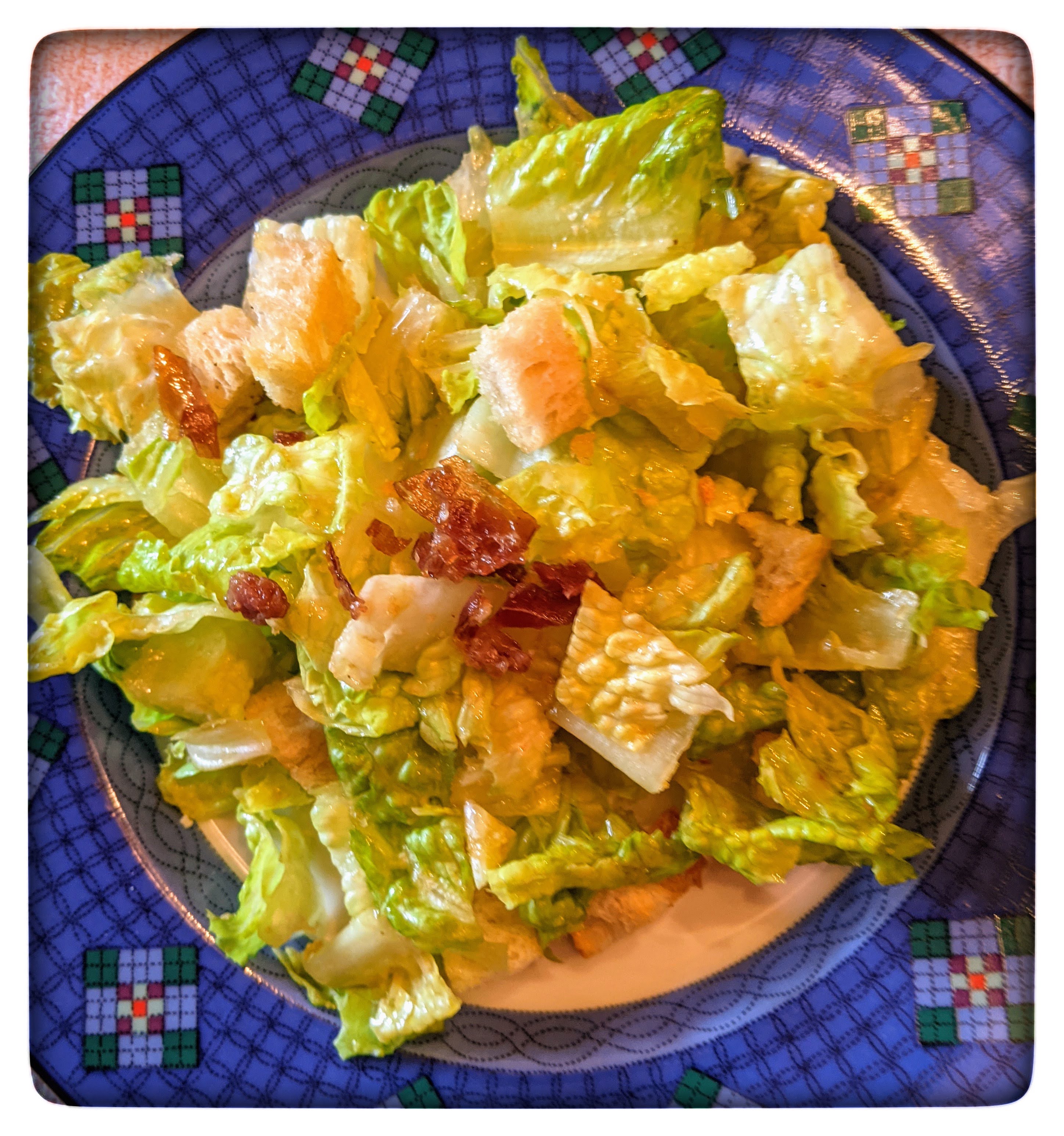
On the side was simple salad of Romaine lettuce with croutons and a few remaining fragments of prosciutto.
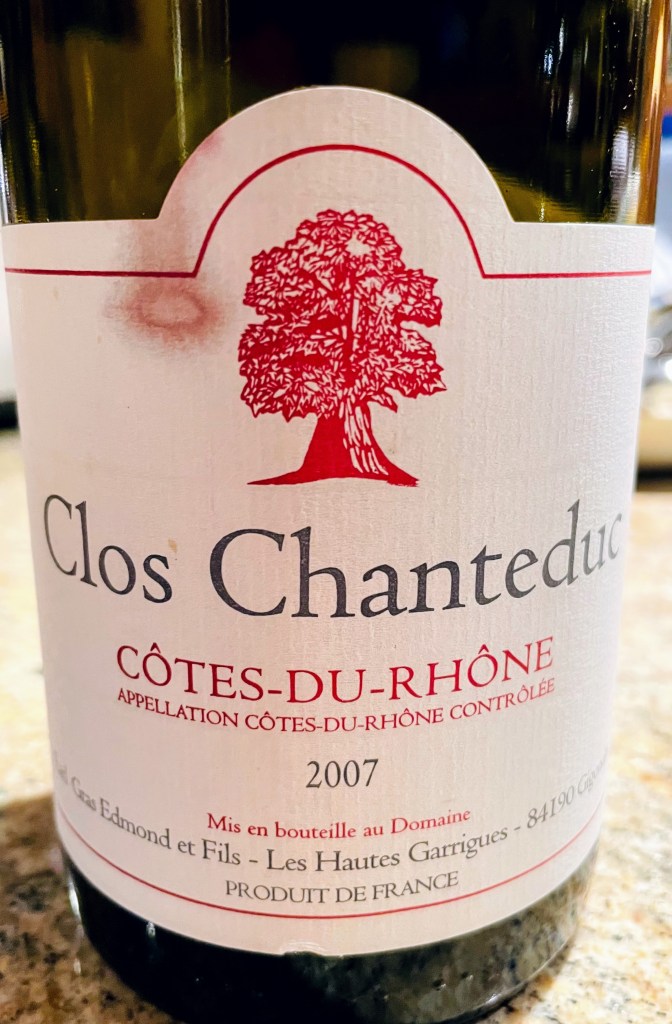
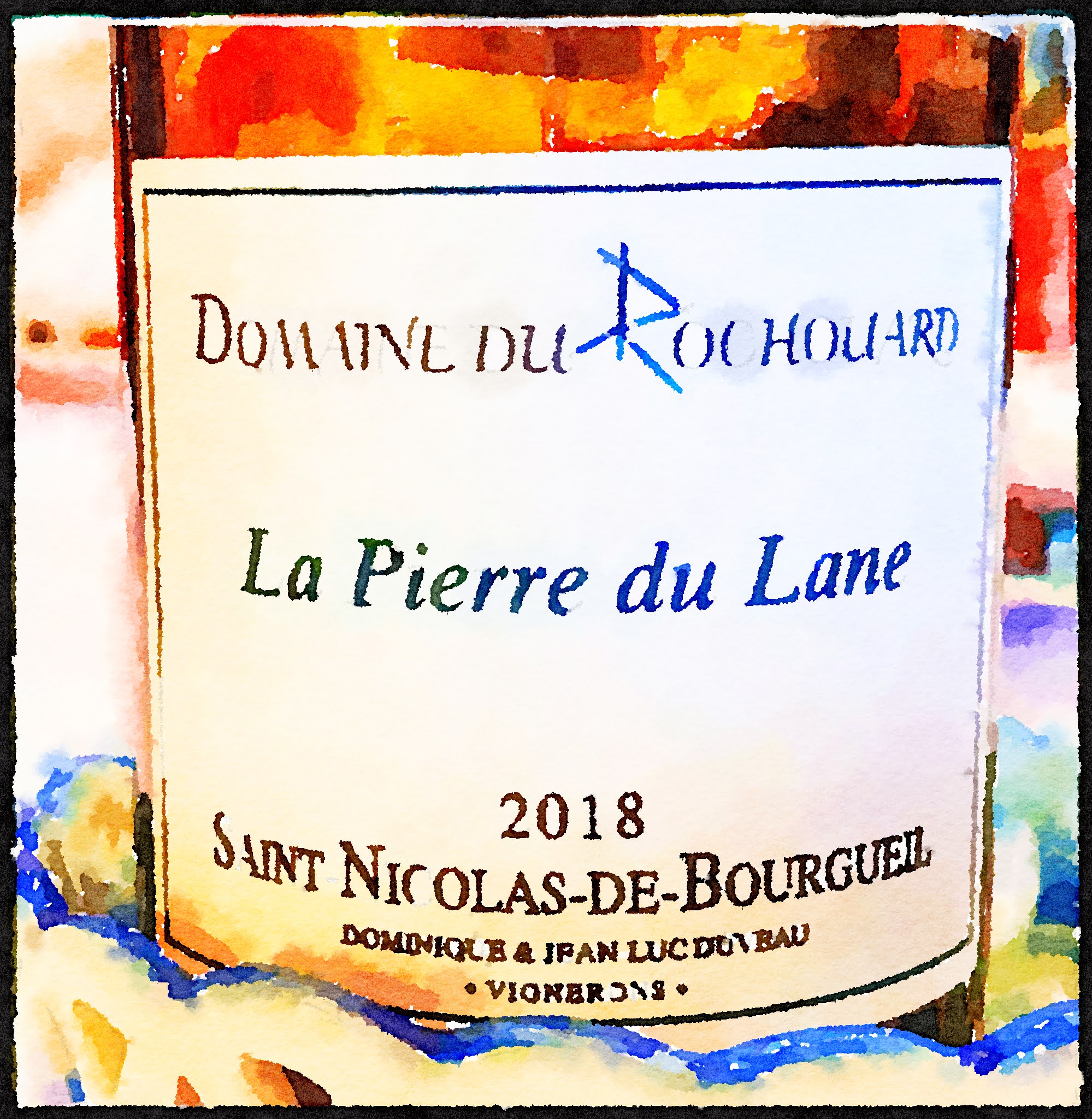
Speaking of leftovers, I finished an open bottle of Bourgueil with the meal, and it paired very well.
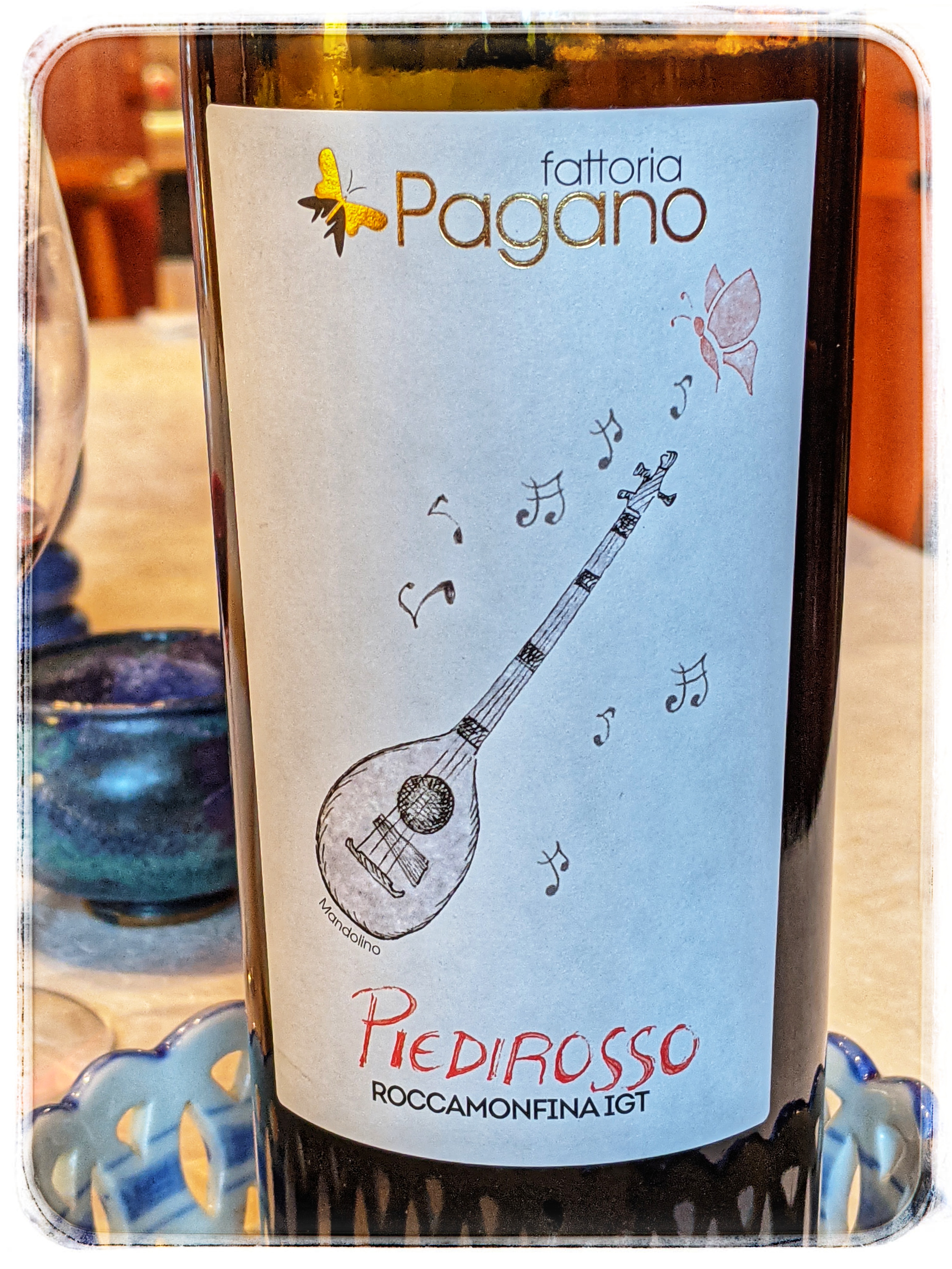
Waterlogue version of the label
That’s it. Please let me know if you like this new short form for food ideas, or if you prefer my normal verbose style. Thanks.
It must be seafood season; these days and nights, I find myself attracted to so many foods that I am eager to combine with my favorite vegetables and grains. As a result you will find my sharing a number of these dishes in my newest blogs.
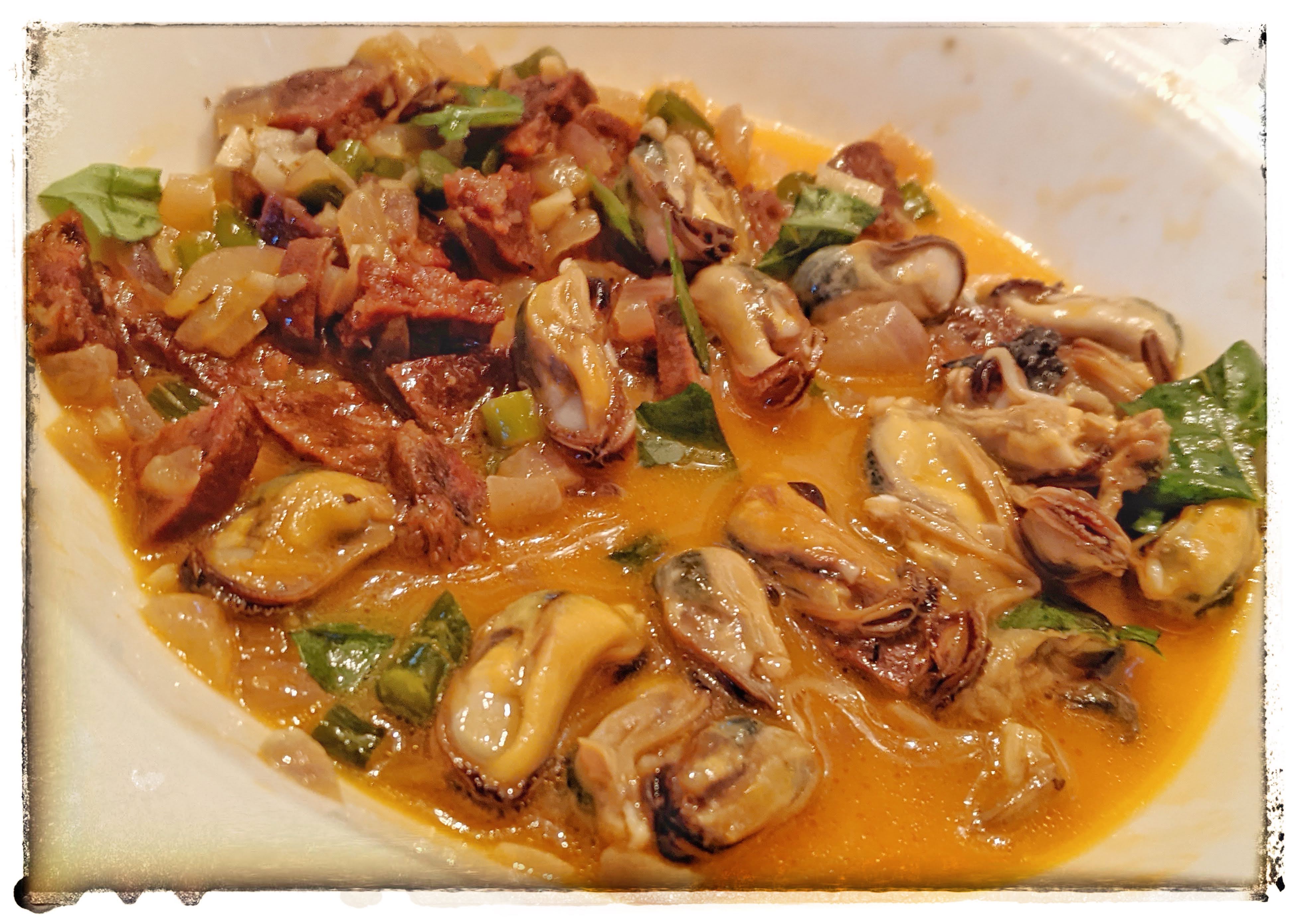
Mussels with Chorizo
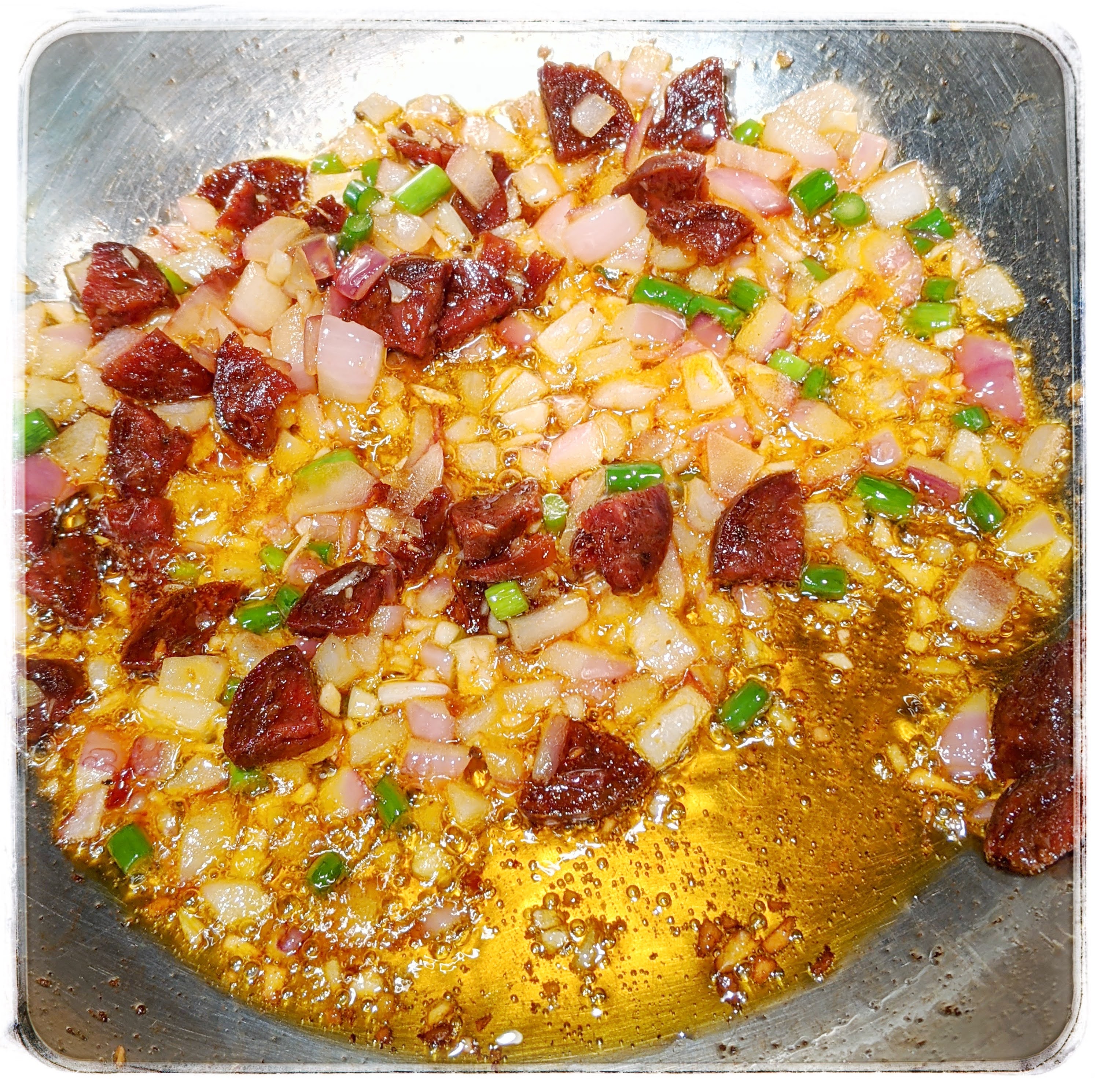
We’ll start with a day in mid-June, for a lunch featuring Portuguese-style Mussels with Chorizo. First, I sautéed chopped onions, shallots, green garlic and chorizo in olive oil. Aliums have an affinity for seafood.
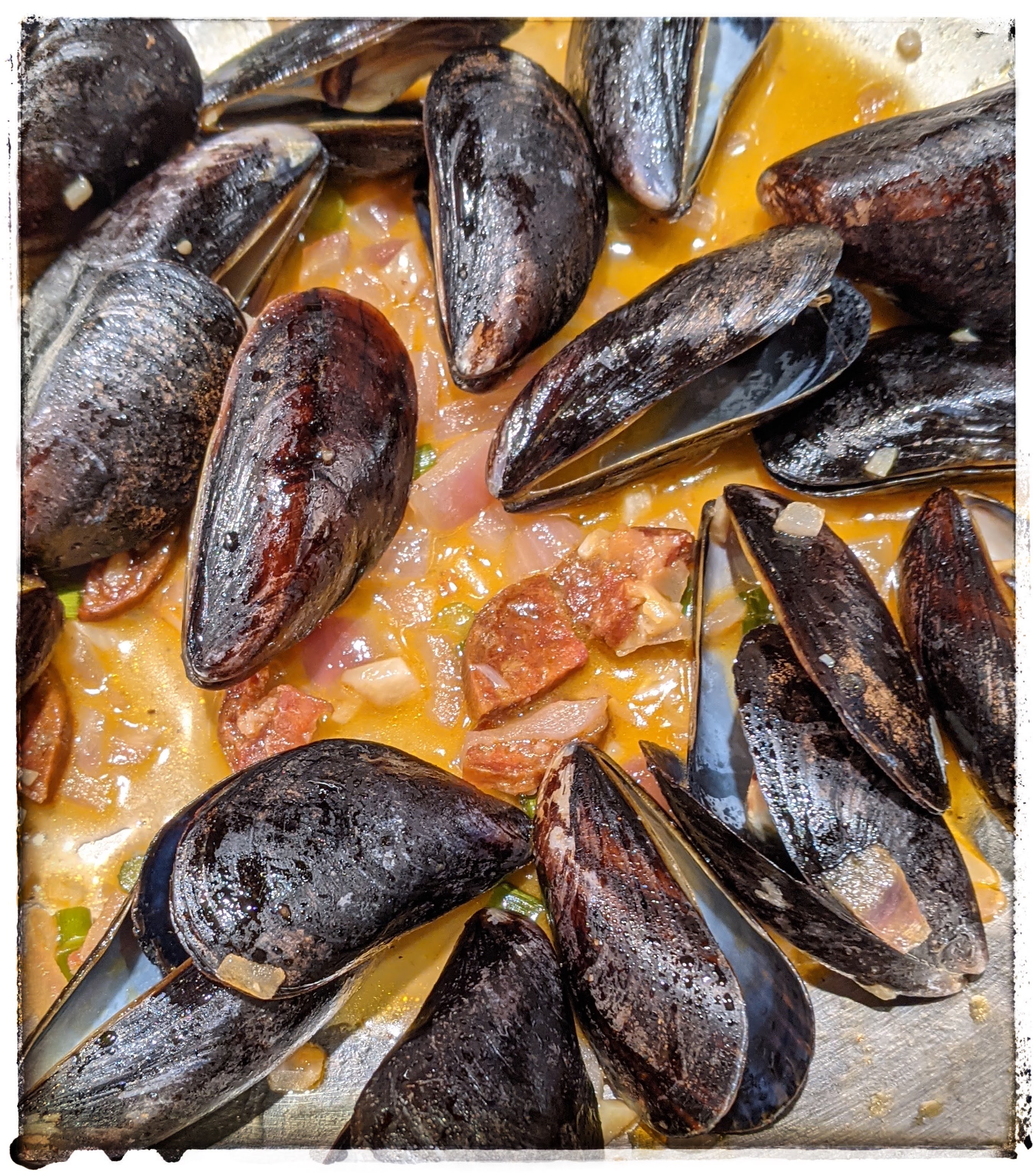
Next, I added the mussels and some white wine, covered, and cooked until the mussels were open.
Then, I shelled the mussels and added the broth, chopped fresh basil, and the cooked seafood and chorizo to a soup bowl.
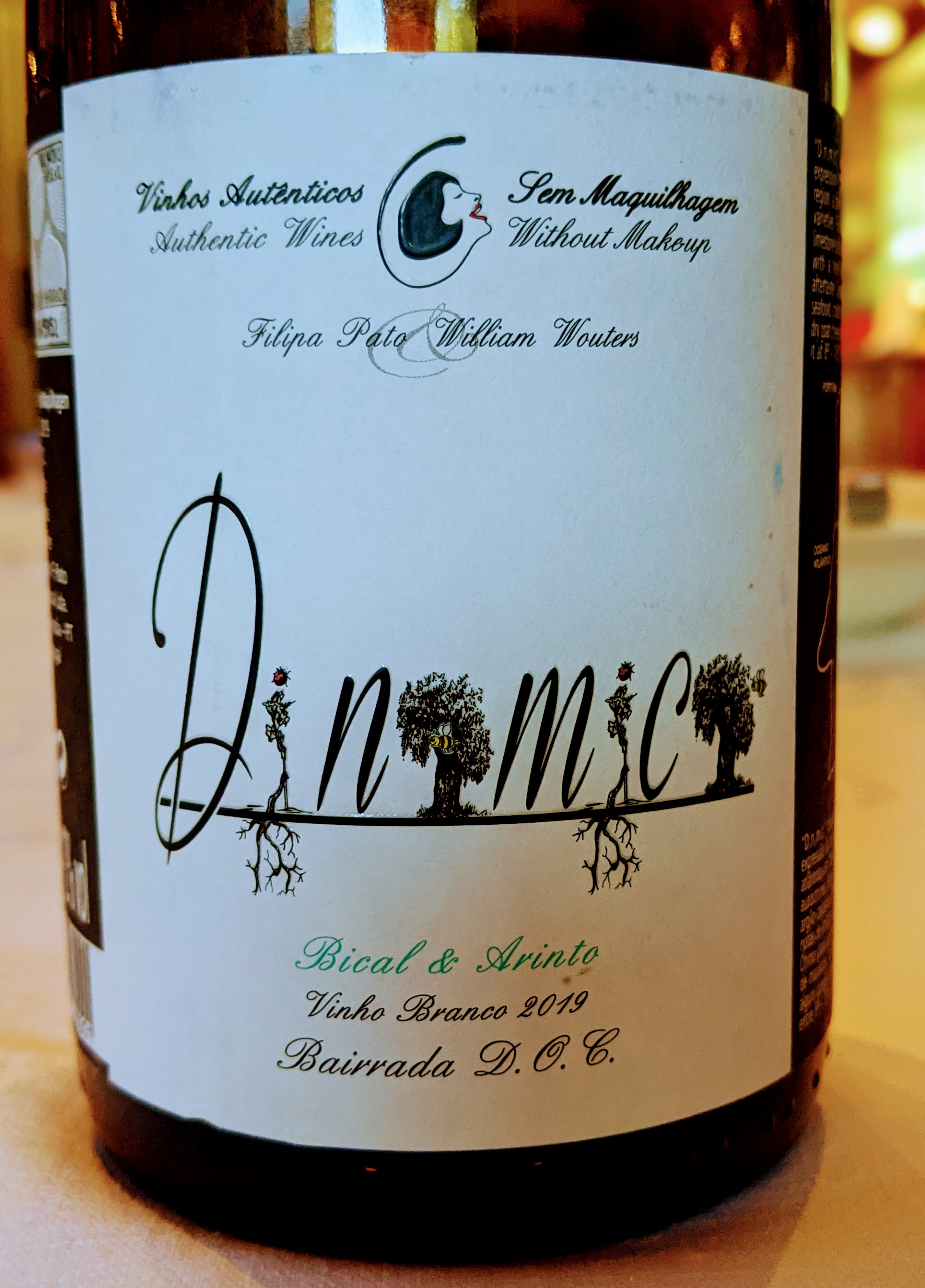
Served with sourdough bread to mop up the sauce, and Dinamica — an Atlantic coast Portuguese white wine to enhance the salinity — and I was transported to another world.
Acqua Pazza Black Sea Bass
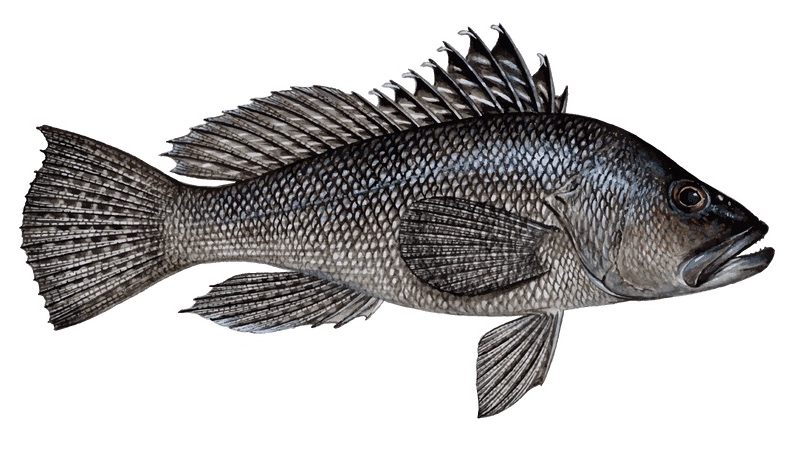
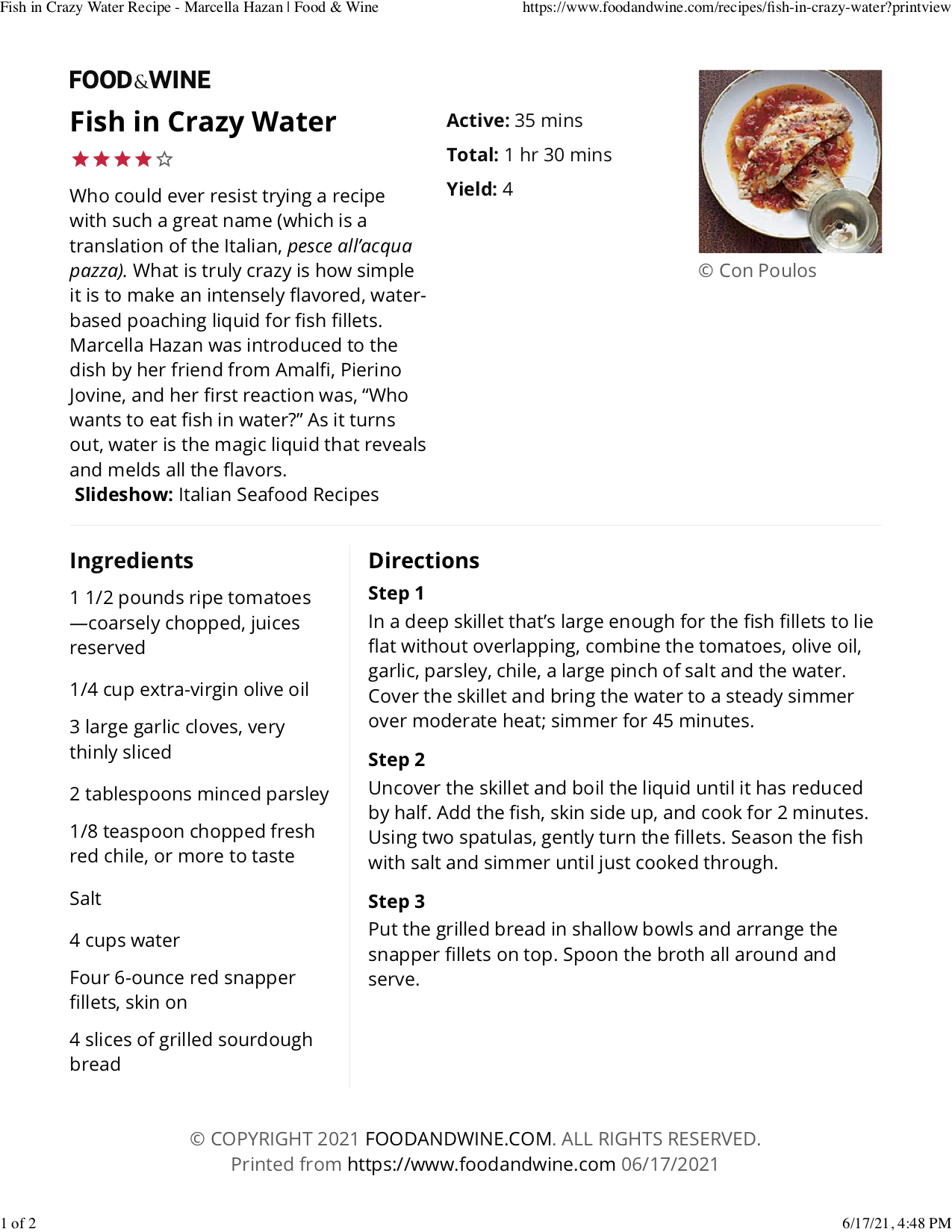
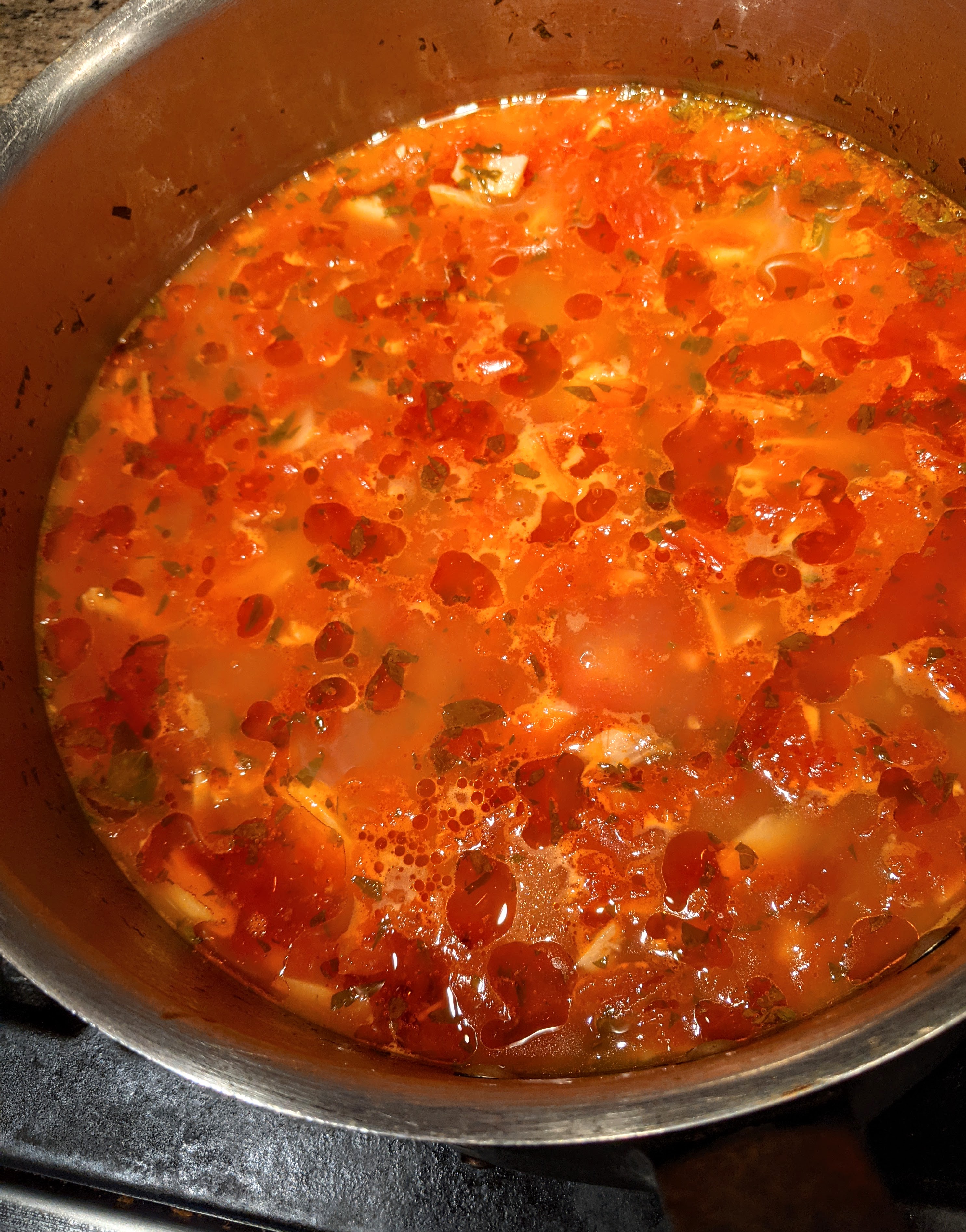
Ever since I first learned about Black Sea Bass, from a recipe by Pierre Franey many years ago, I have always considered it to be one of the tastiest and charming fish we eat. Therefore, when I came across a beautiful example in the case at New Deal Fish Market the day before, dinner that next night was based on Marcella Hazan’s Acqua Pazza (Crazy Water) recipe. Of course, with typical Italian flair, we have a name that’s much more intriguing than “fish cooked in tomato water”.
Black Sea BassAcqua Pazza in processBlack Sea Bass fillet in Acqua Pazza
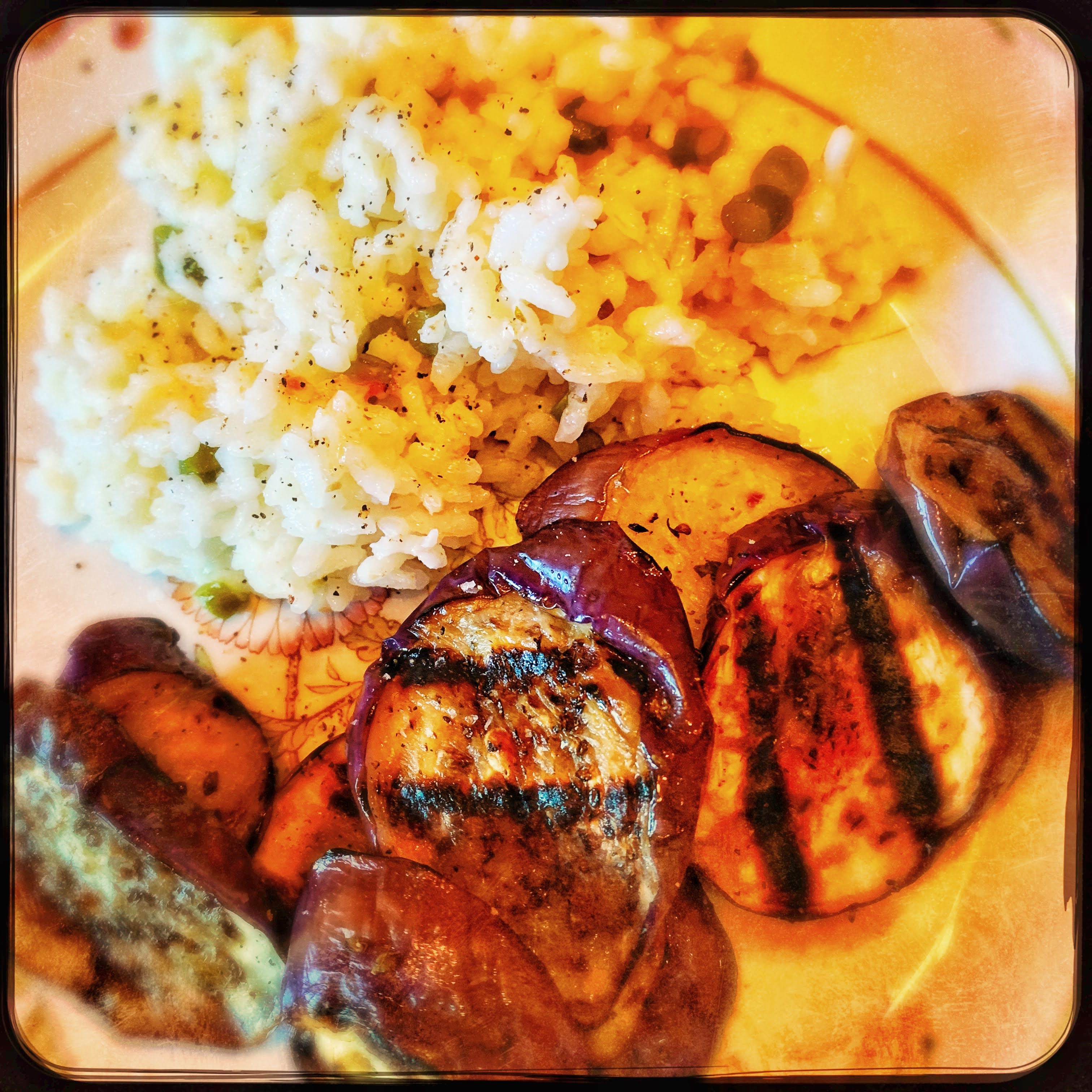
Accompanied by grilled Japanese eggplant and steamed rice
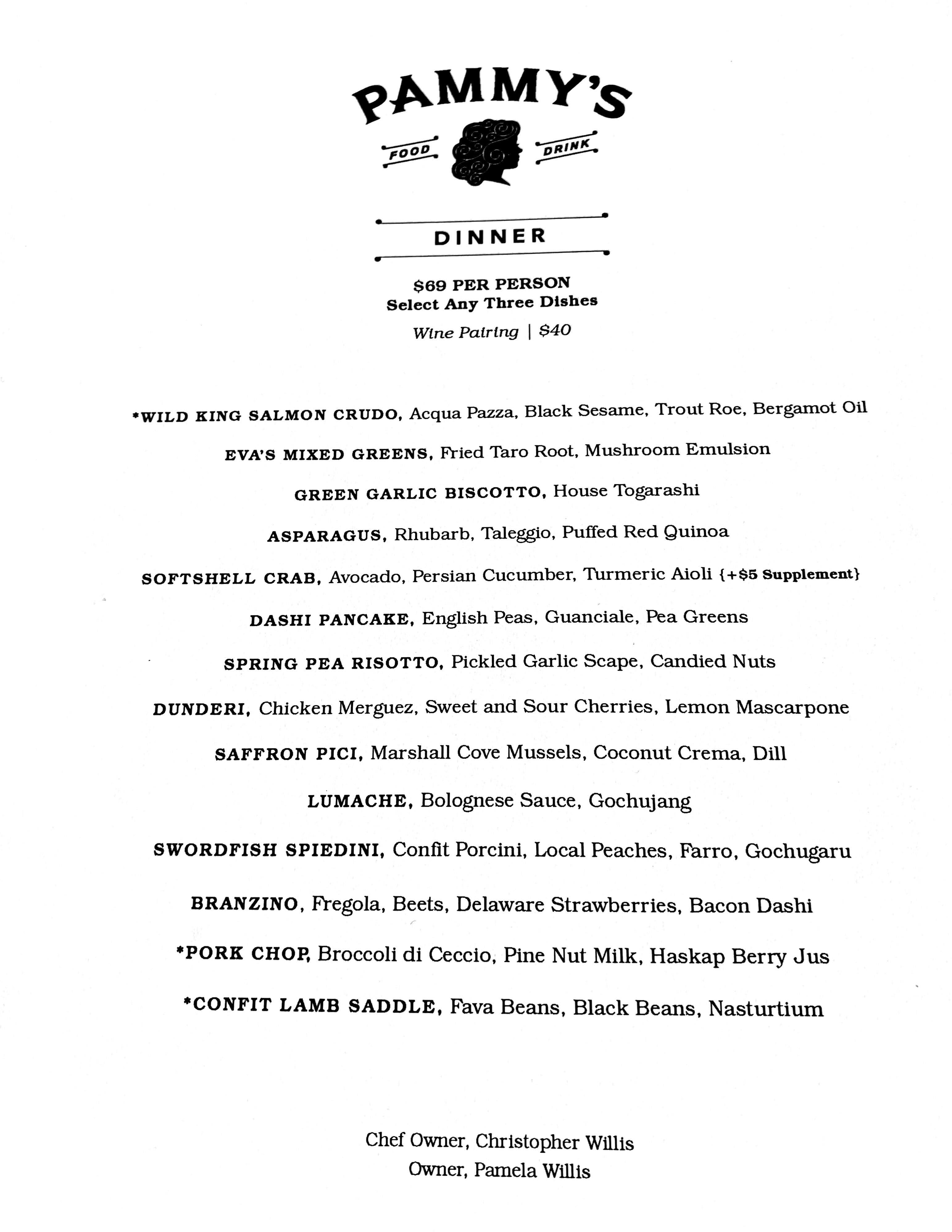
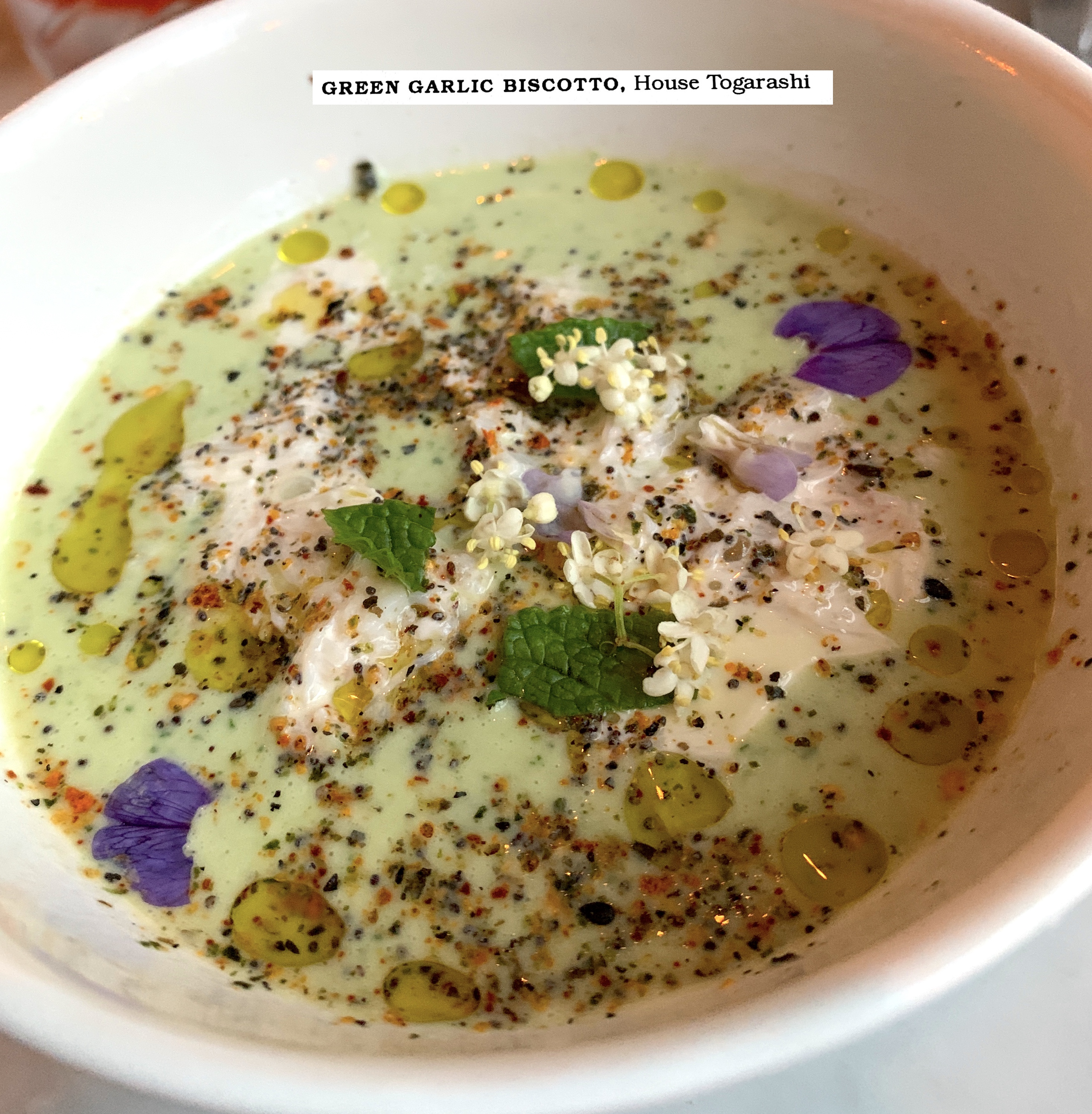
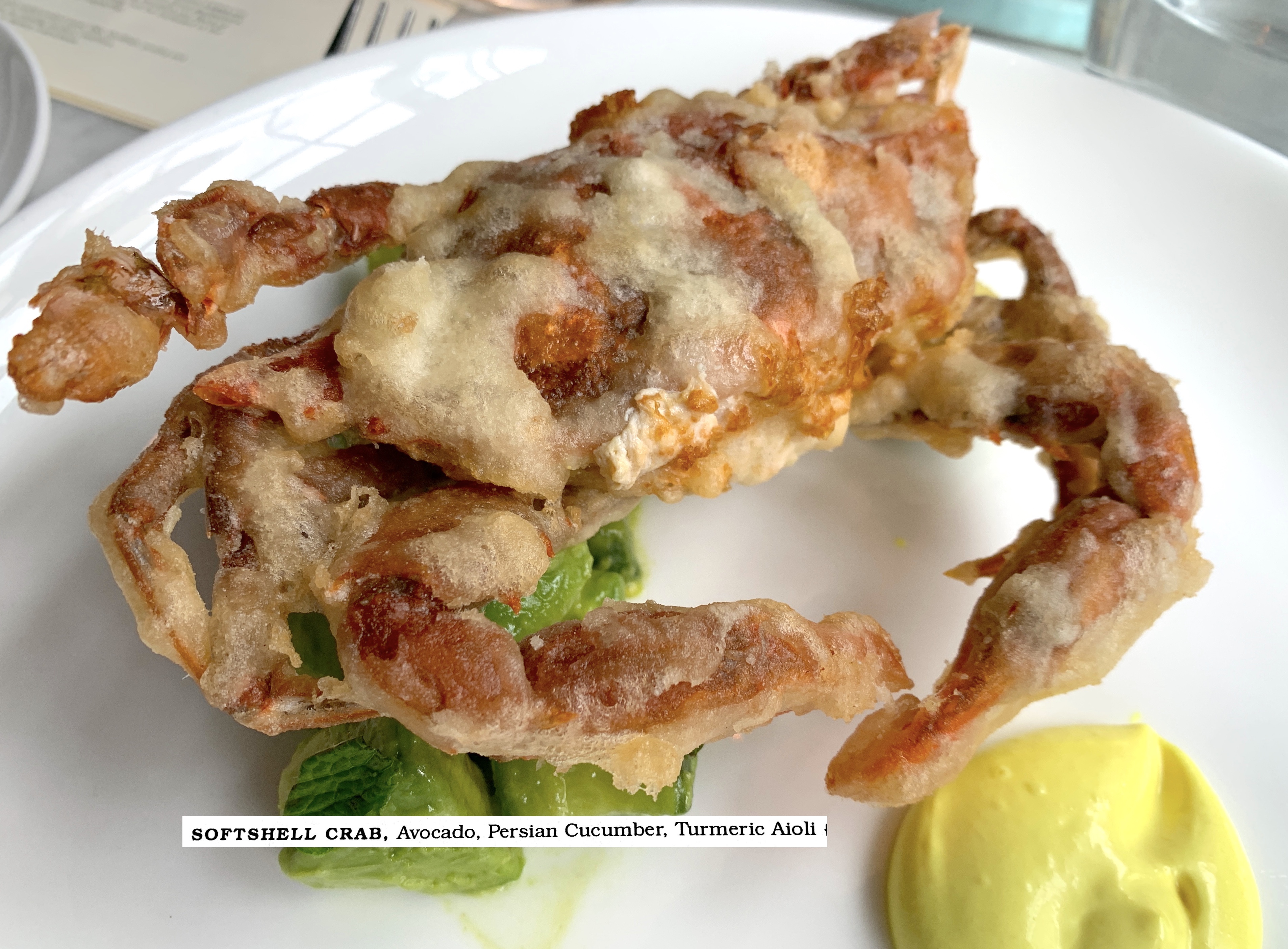
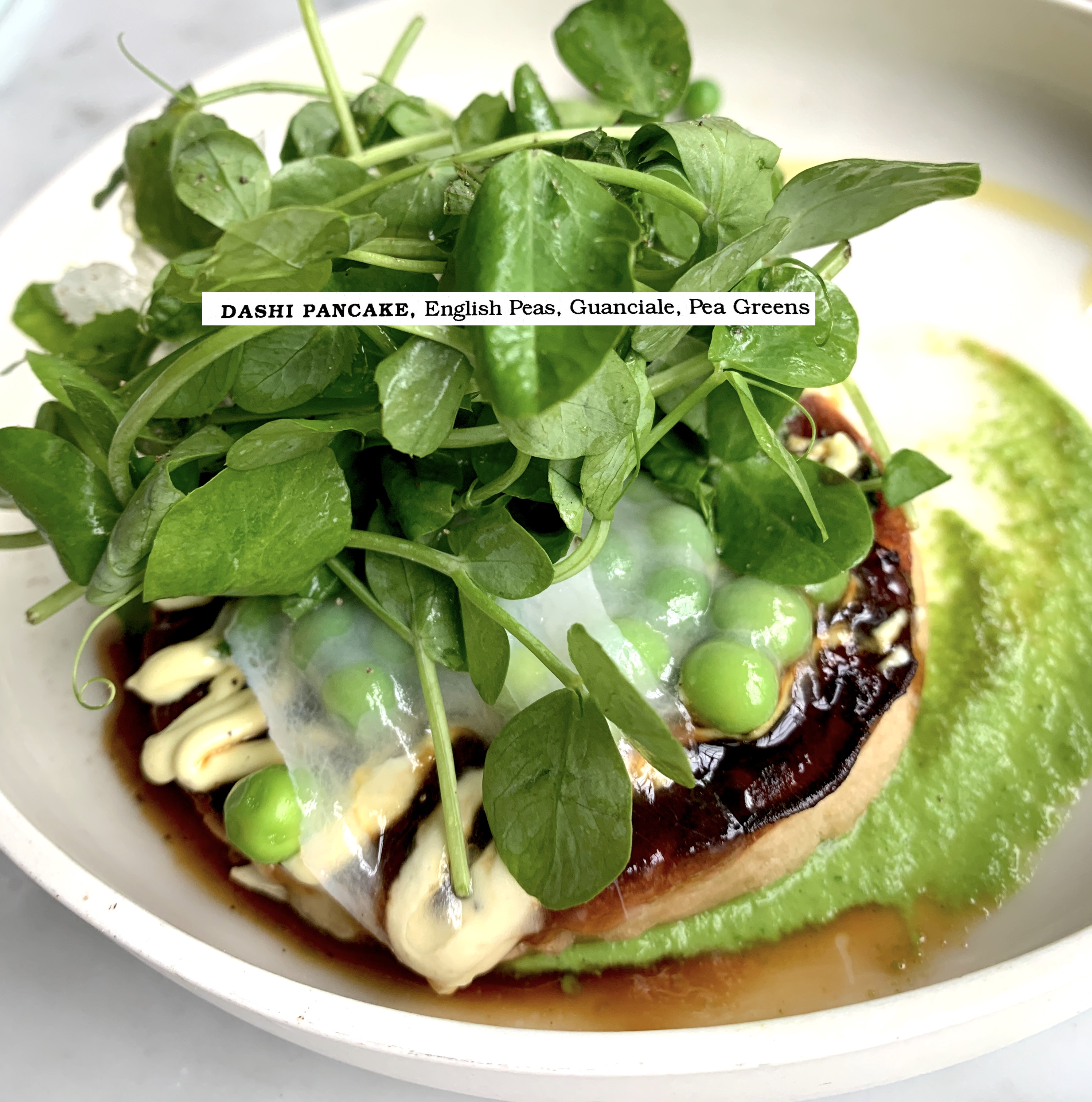
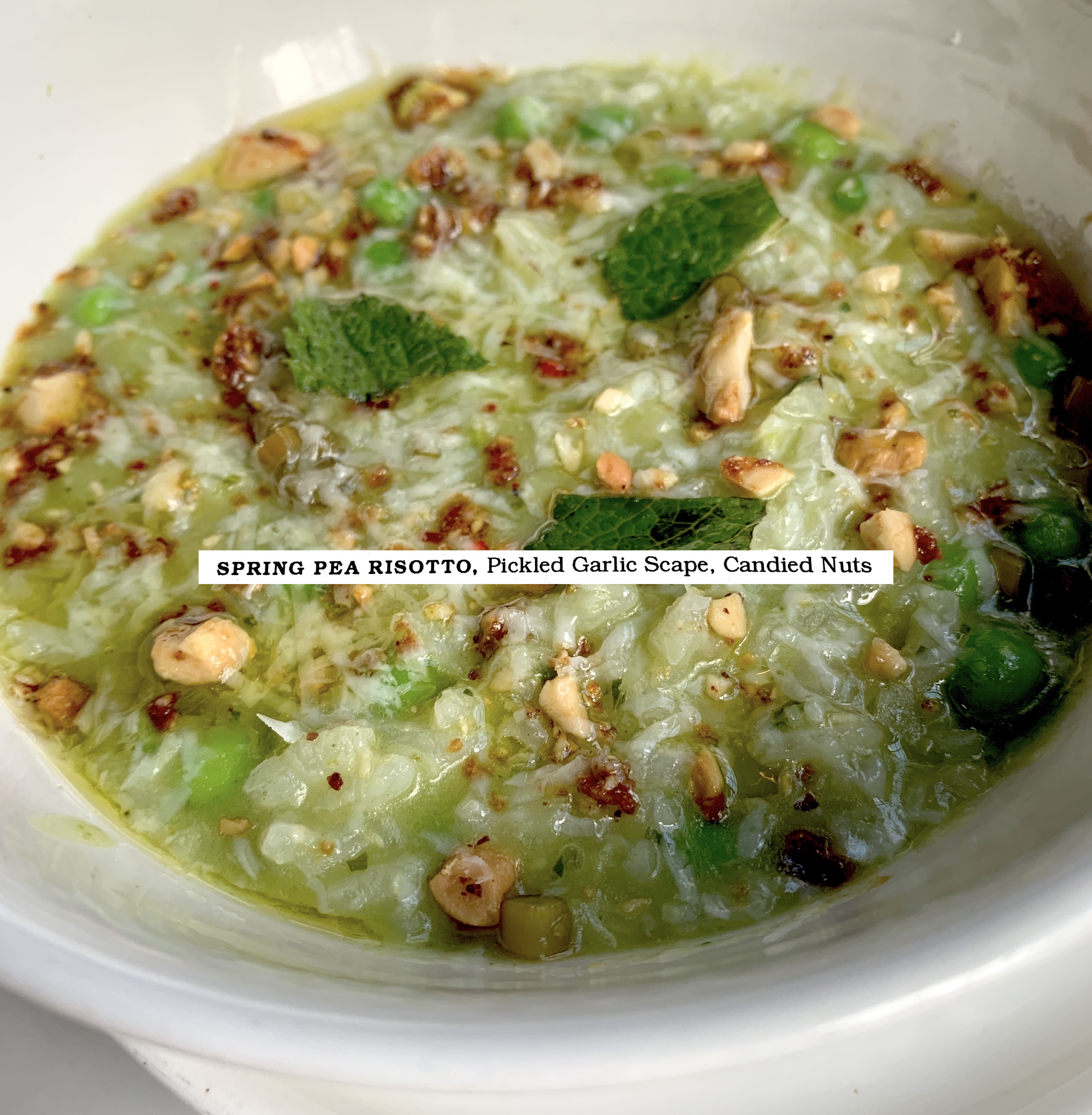
My wife and I have been married for 56 years. One of our favorite ways of celebrating this event has often been dining out at a great restaurant. Of course, we both appreciate the chance to have superb food, and to escape the cooking and cleanup that comes with our fine dinners at home. But not just any restaurant. We ARE picky. So, for that reason, we chose to go to Pammy’s in Cambridge, where we have had several excellent meals before — but not since the pandemic.
Fortunately, we were able to get a reservation close to the anniversary date, and the changes the restaurant has made for social distancing made it all the more attractive and private.
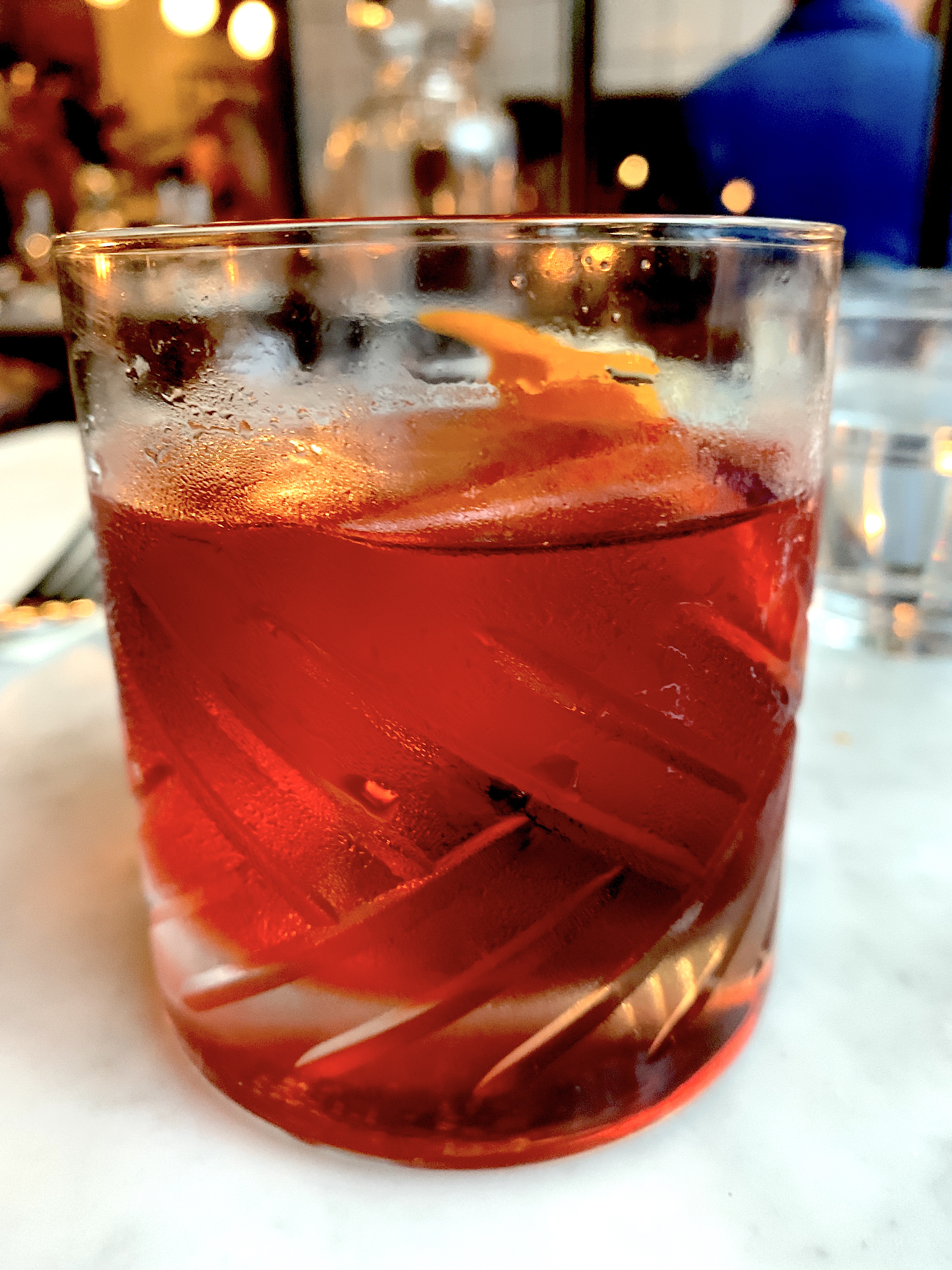
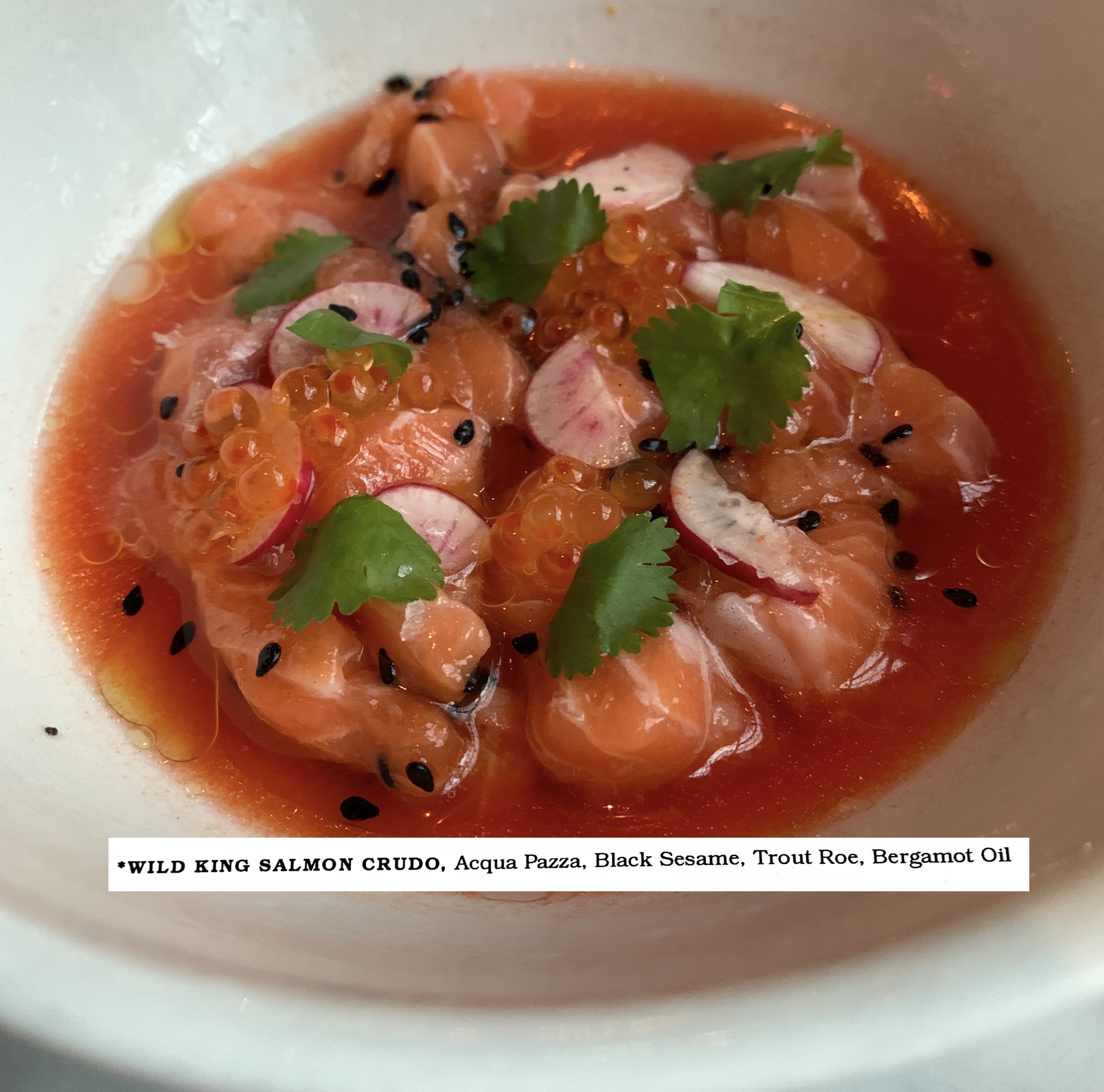
The food was fantastic, and the service, excellent. I will simply share the highlights with you here.
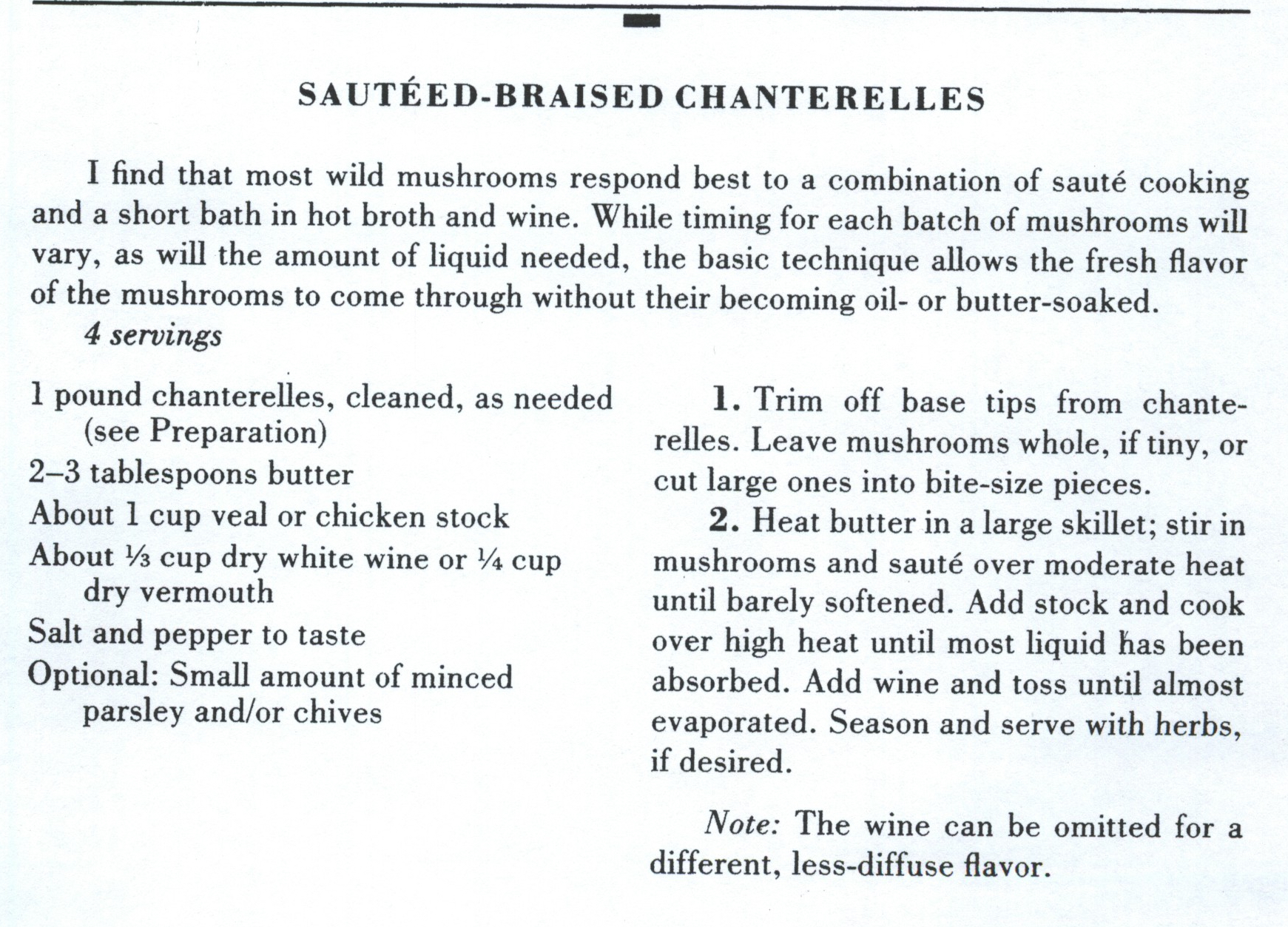
Mushrooms are among my most favorite foods, even more so in the past 11 years, with a mostly plant-based diet. I’ve been cooking oyster mushrooms for 15-20 years, in a variety of ways — sautéed, roasted, grilled, etc. The results have been acceptable, but not great. That all changed recently, when I discovered a new approach from one of my old (published 1986) cookbooks: Uncommon Fruits and Vegetables, by Elizabeth Schneider.
I have referred to this book occasionally over the many years it has been on my shelf. It was invaluable with how to cook chayote squash, celeriac, collards, jicama, mustard greens, and other obscure ingredients I come up with. Then, one day about 12 years ago, I tried her simple directions for cooking chanterelles, another mushroom with which I had much difficulty. That was a game-changer, and a technique I used ever since.
A few weeks ago I cooked chanterelles again this way. However, I also had some very fresh oyster mushrooms, and I thought, “I wonder what she has to say about oyster mushrooms.” The recipe was right there on page 334, and it was even easier than the one for chanterelles.
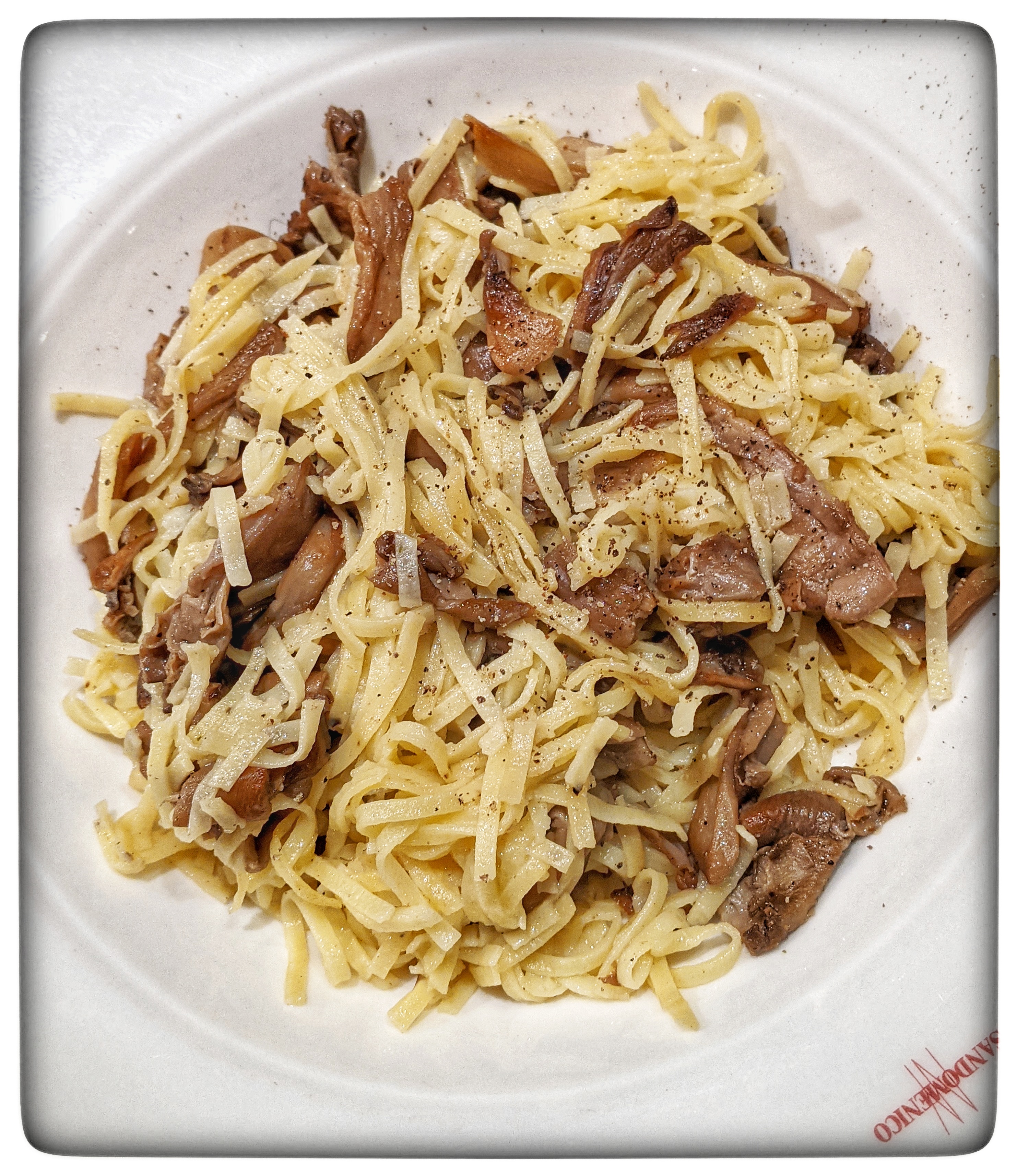
I cooked them as described, then tossed the mushrooms with pasta, and enjoyed the dish very much. Yesterday, I had an opportunity to try it again, this time with some homemade linguine from my new pasta machine. I had more mushrooms this time, so I doubled the recipe. There was no stock defrosted, so I put a vegan bouillon cube in water and brought it to boiling, then added the butter and the mushrooms. No more salt or pepper was needed; the bouillon supplied enough.
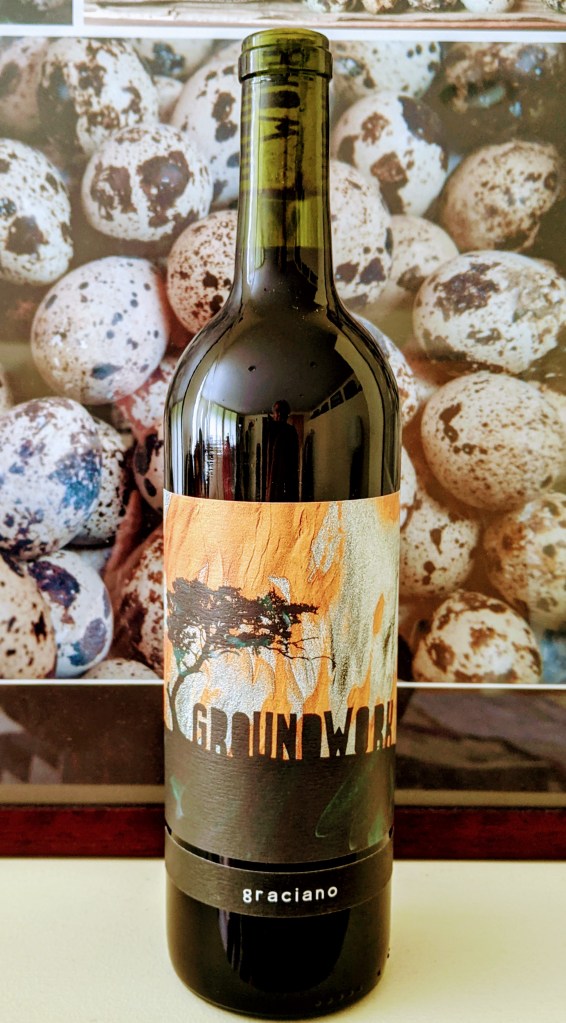
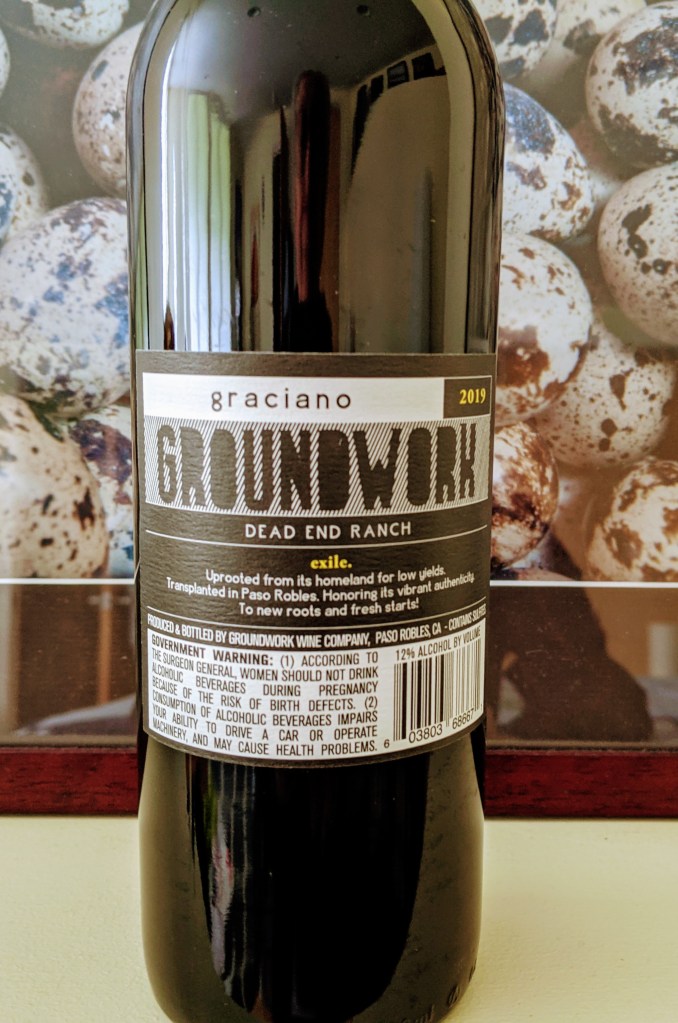
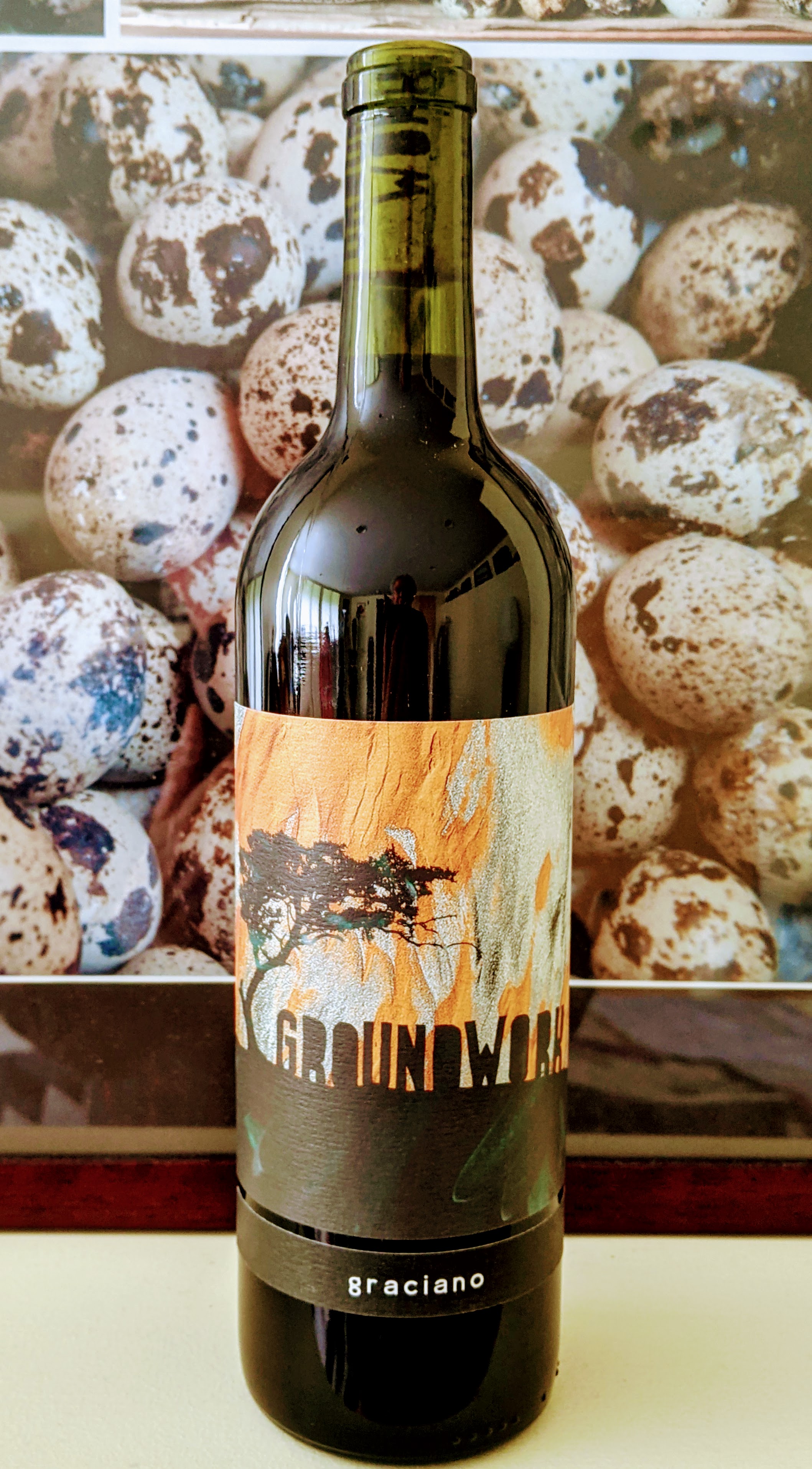
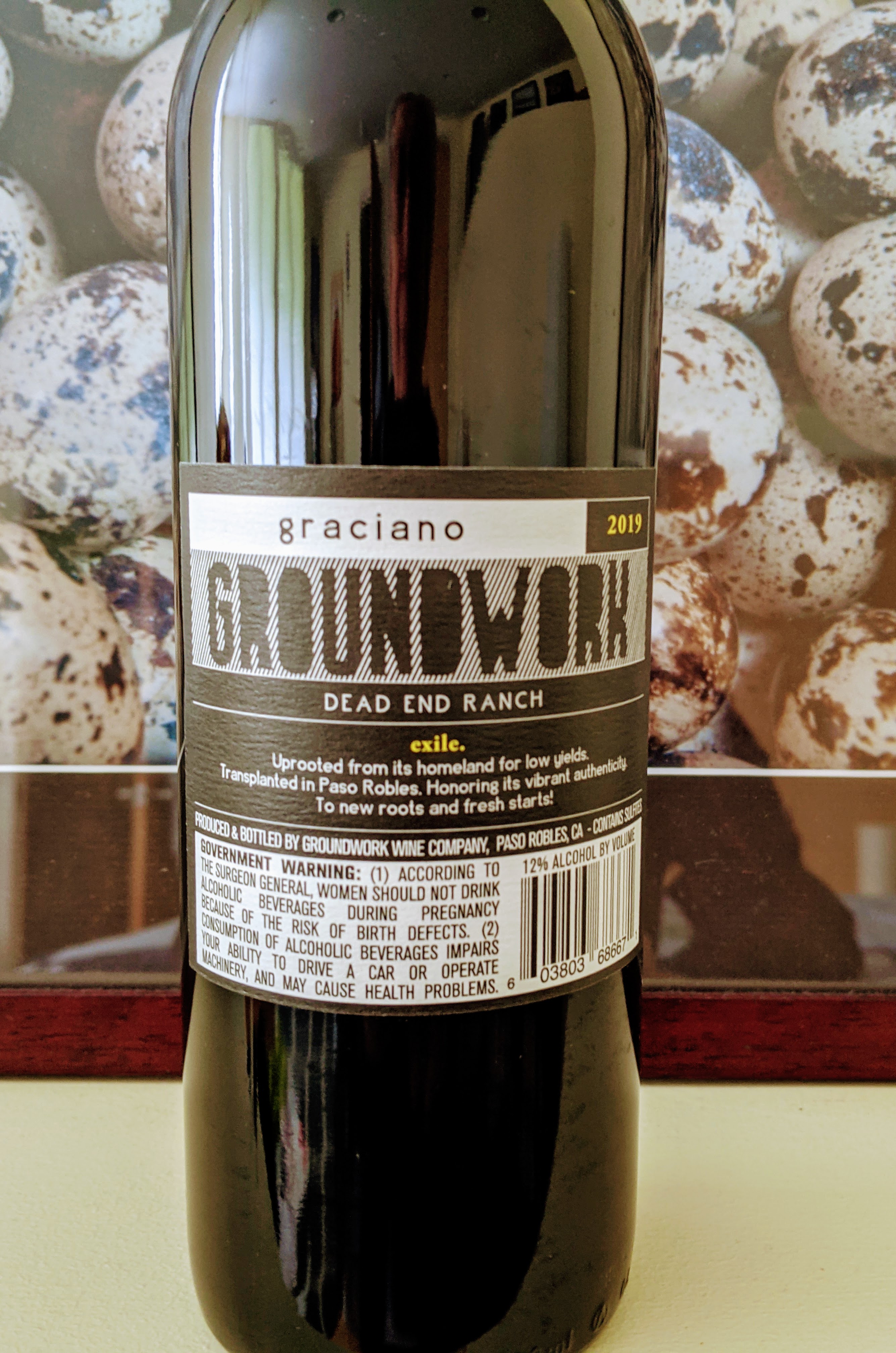
After the liquid had boiled off, I added some olive oil, and the mushrooms started to brown, much to my delight. When they had good color, I added the cooked pasta, stirred it up, and sat down with a full bowl. It was superb. The wine was a Graciano from Sans Liege (Groundwork label) in Paso Robles, CA, a most satisfactory accompaniment.
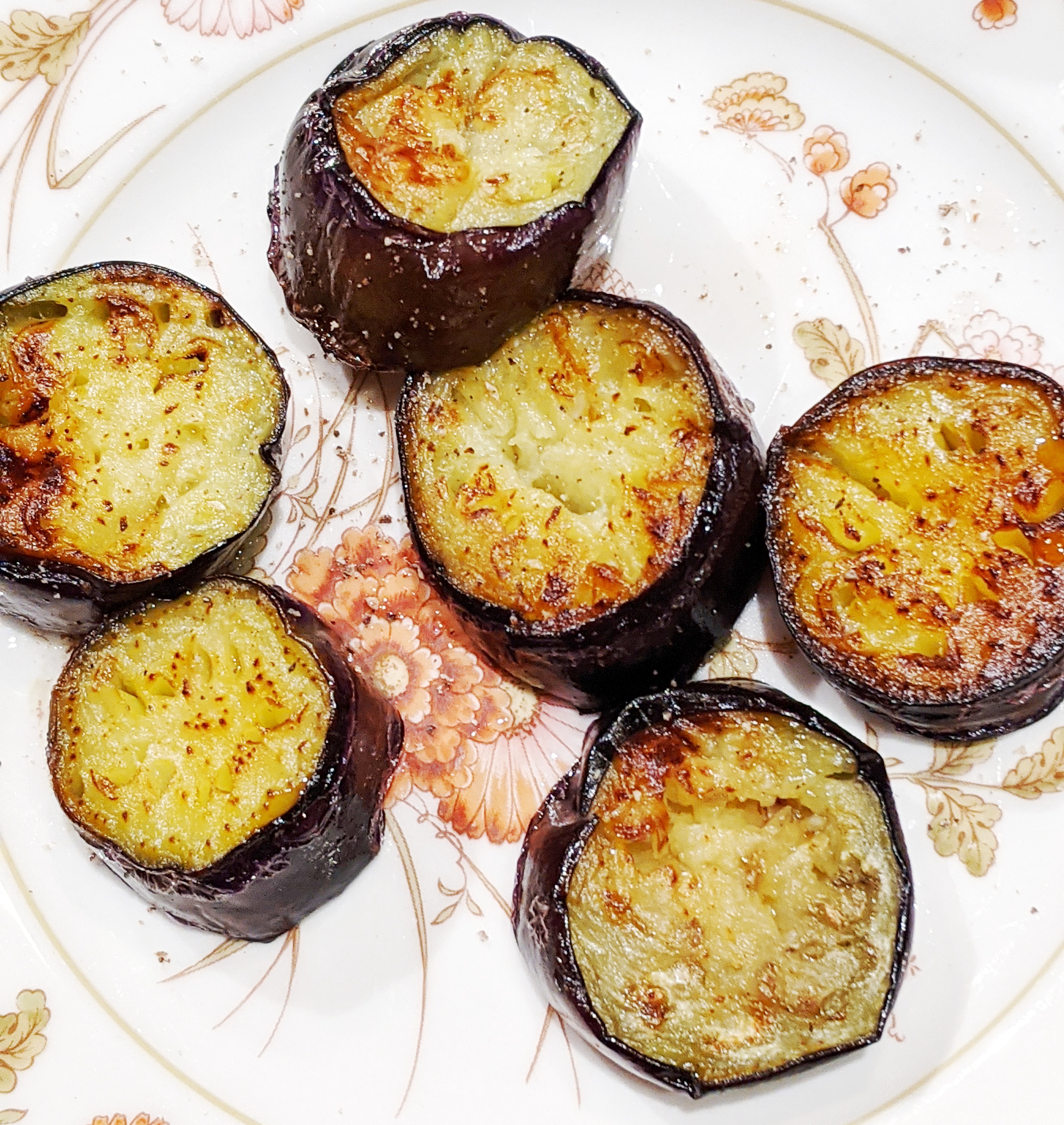
I had picked our first small eggplant from the pots on the railing along our deck. This was sliced, sautéed, and sprinkled lightly with Portuguese white wine vinegar, for the evening’s vegetable.
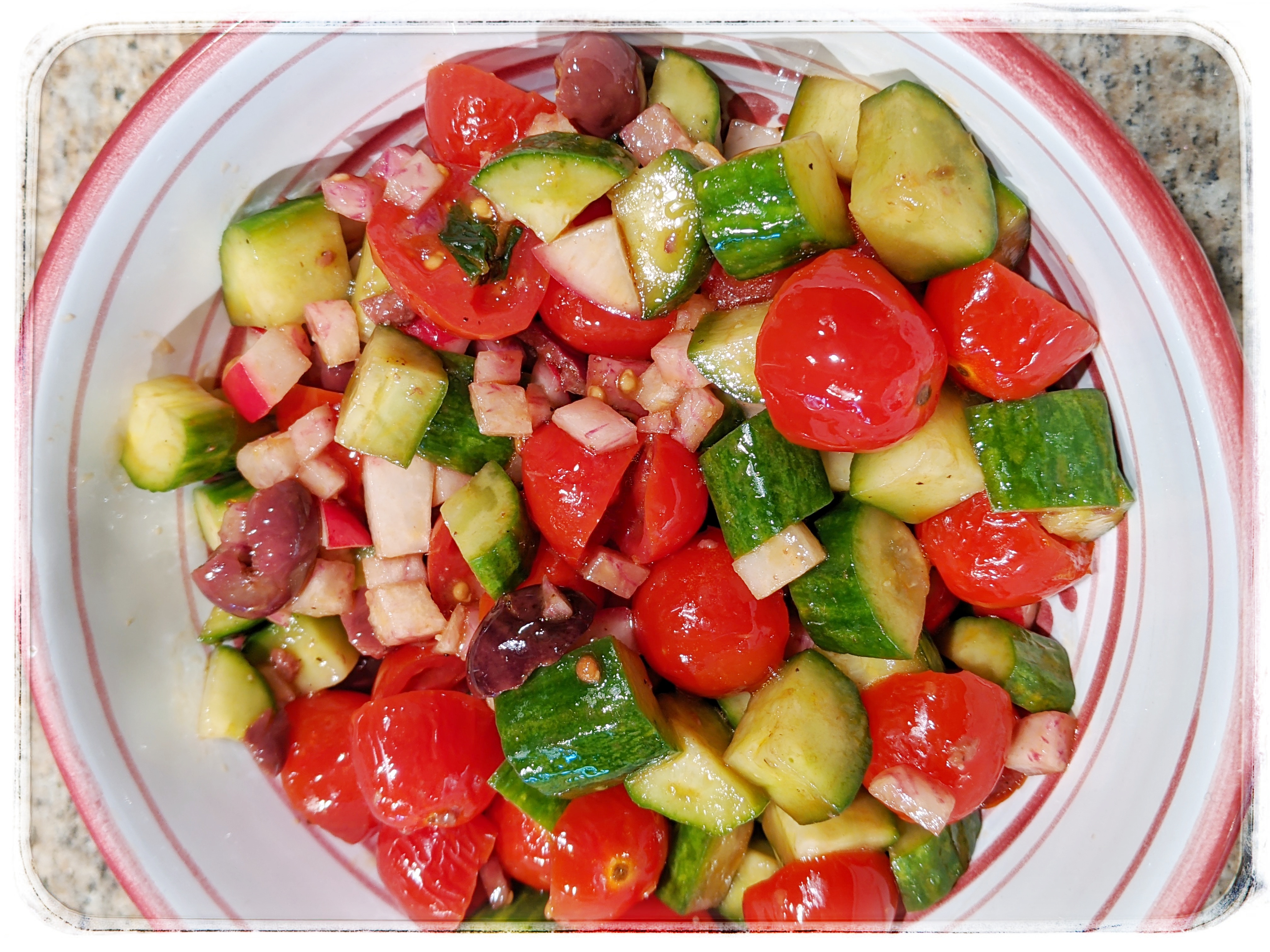
Earlier I made a cucumber/grape tomato/purple daikon and red radish/black olive salad for the mid-afternoon snack.
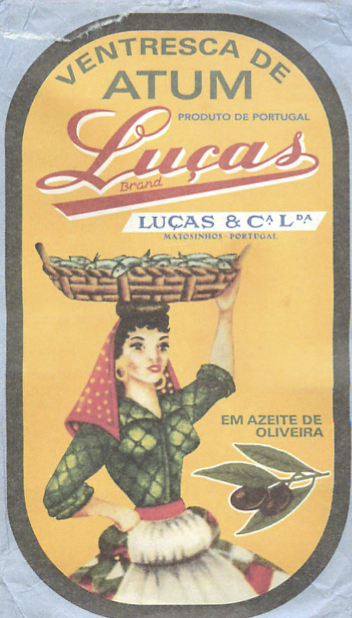
Recently, we’ve been eating fish and seafood more often. One of my mainstays is a tuna salad lunch, made with Portuguese tinned ventresca tuna from Luças.
The salad is made with these delicious tuna fillets, jazzed up with whatever is handy, cut in small dice:
red onion
celery
plum tomato
beans
black olives
radishes
homemade pickles
Spanish Piparras peppers
Portuguese olive oil and red wine vinegar
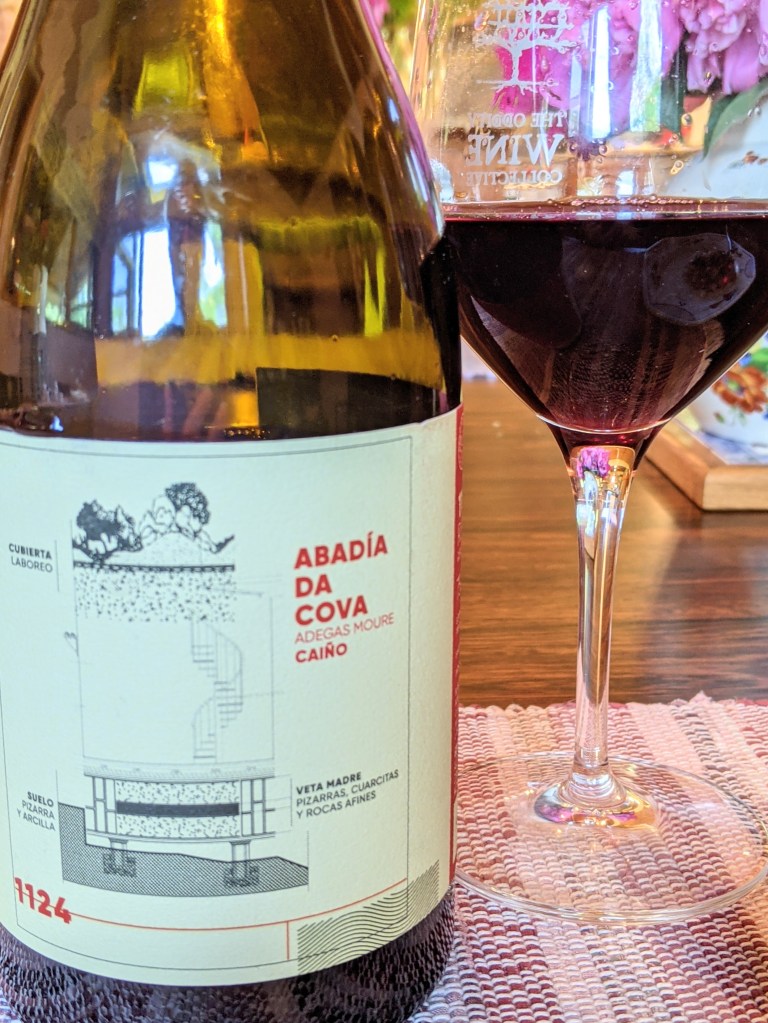
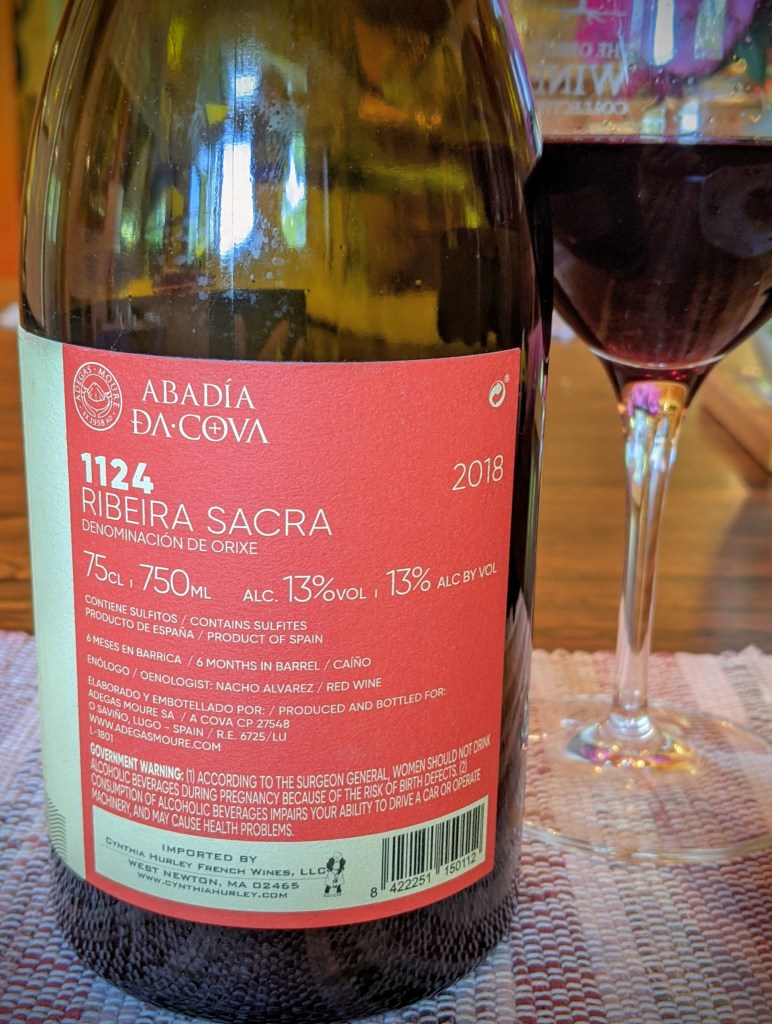
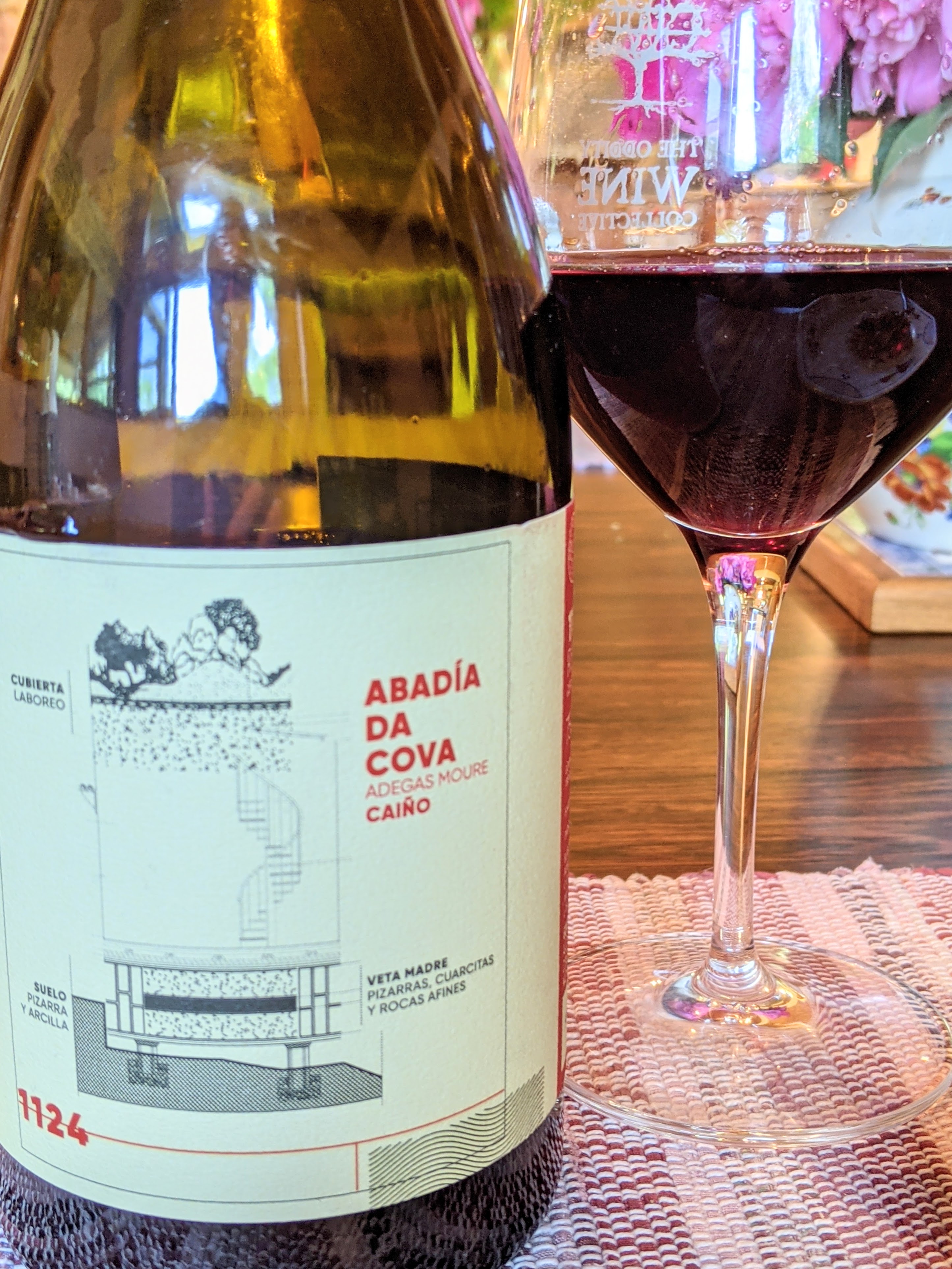
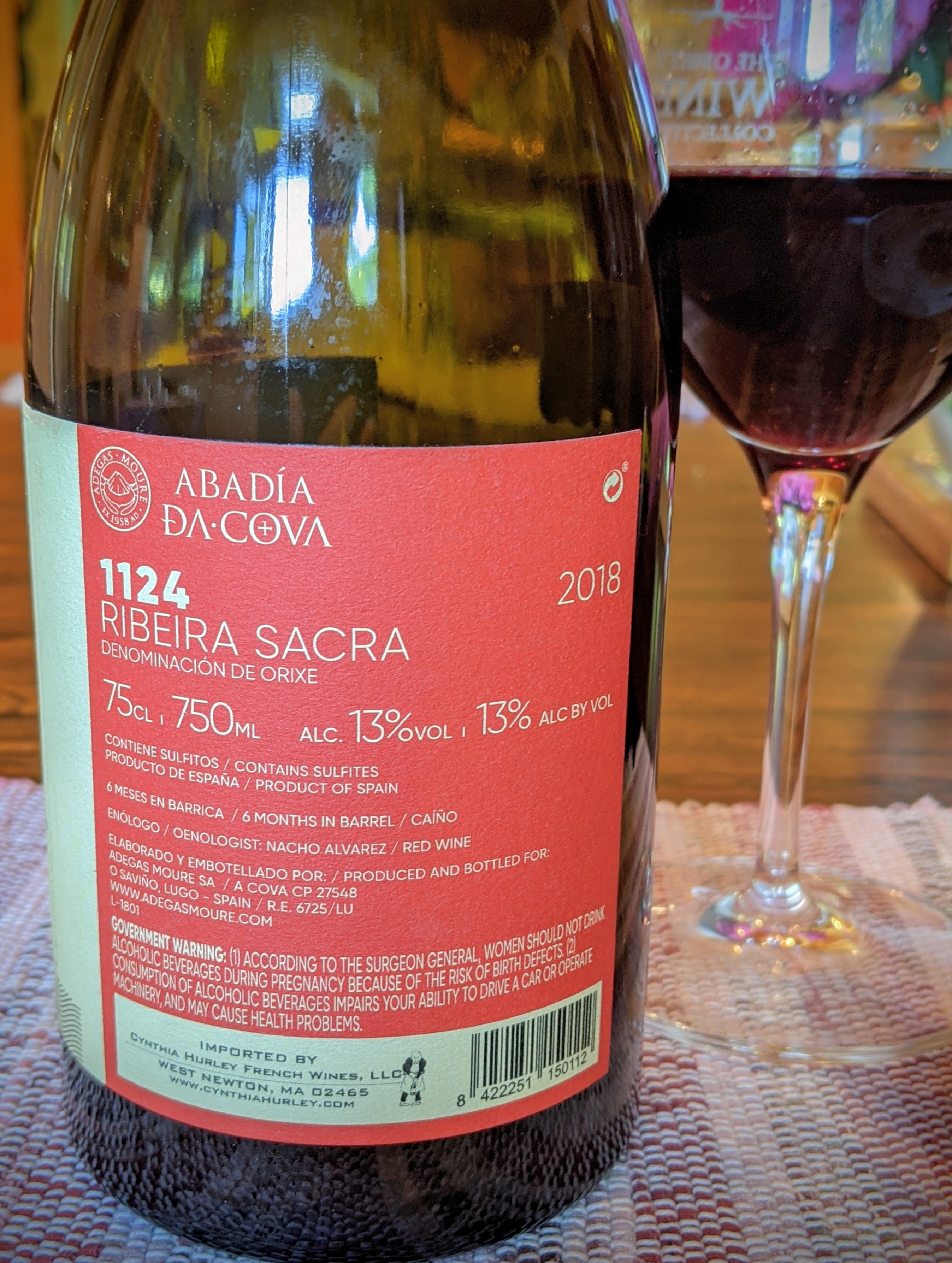
The wine was amazing. It’s a Spanish red wine from Ribeira Sacra region, Abadia Da Cova, made with Caiño, a grape varietal I did not know of previously. Fortunately, I was able to track some of it down at Winestone, a superb boutique wine shop in the Chestnut Hill area of Brookline.
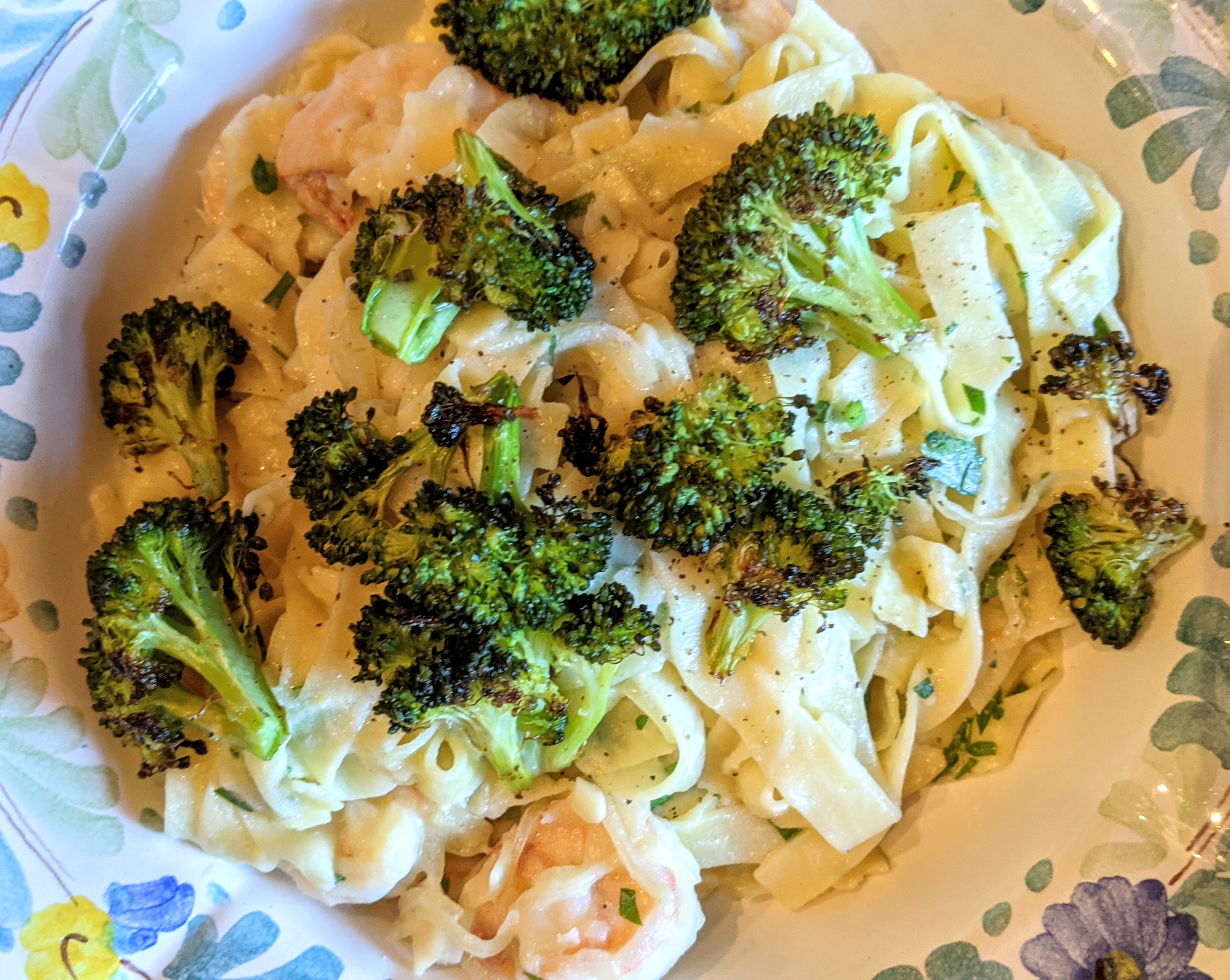
That night, I decided to inaugurate my new Imperia pasta machine (with motorized rollers), to make fresh fettuccine with broccoli and shrimp, Alfredo style.