Tartine Bread Again — with Improved Techniques

As many people are doing during this pandemic, I am baking bread more often now.  Three weeks ago I wrote about returning to Tartine breads, and I am continuing further down that path.  My breads are good now, most of the time, but the quality and taste have “plateaued” in my opinion.  Since I have the time now, I’ve decided to “up my game” in a couple of critical areas where I see room for improvement.

Fortunately, I’ve found a number of superb blogs and articles about artisan bread-making on the internet.  They helped me identify two skills I need to improve: (1) achieve a more vigorous bread starter and (2) learn how to stretch, fold, and shape the dough more effectively.  Here are just a few of the resources I’ve found to be helpful:

If you are a bread maker — novice, intermediate or expert — you should explore on your own and do what you find most comfortable.  There are a thousand good ways to do most of this, so just develop yours.  Practice and experience and plenty of mistakes — these will provide the learning.

This week I put two changes into practice.

Starter. I fed my starter twice a day, on a regular schedule (vs. once a day usually mornings —  but not consistently), and I played with another starter, too.  My main starter is fed 50/50 percent white bread flour and whole wheat.  The new one started with the seed of my original, but is fed with a mix of all-purpose and rye flours instead.

Folding.  I watched several good videos online for folding technique, and a used what I saw to adapt how I handled the dough.

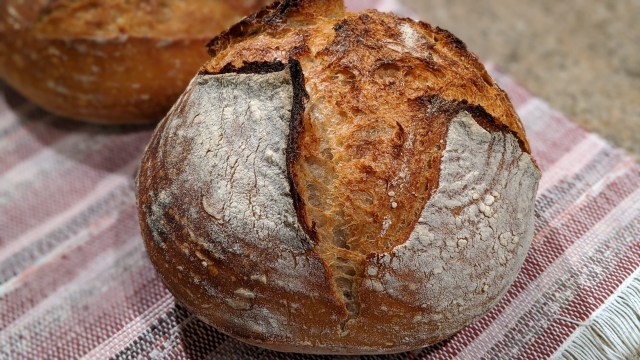
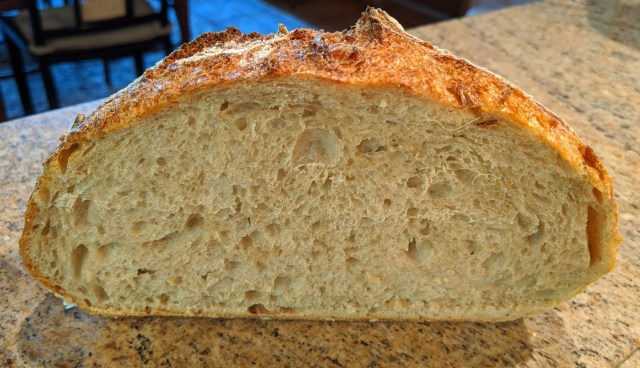
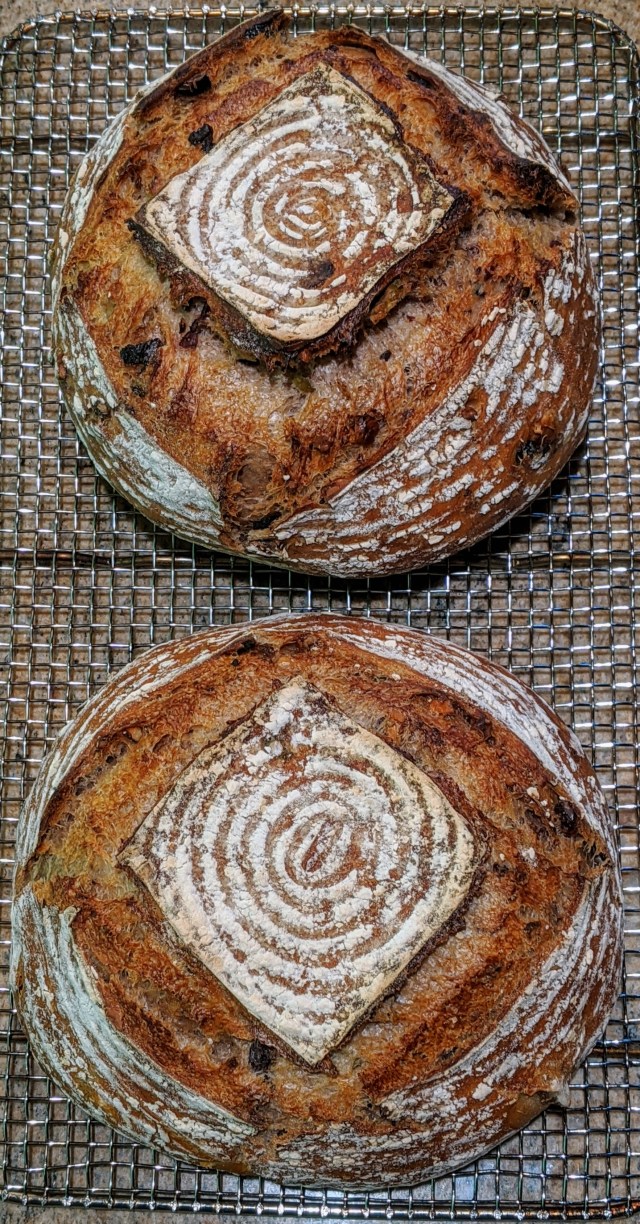
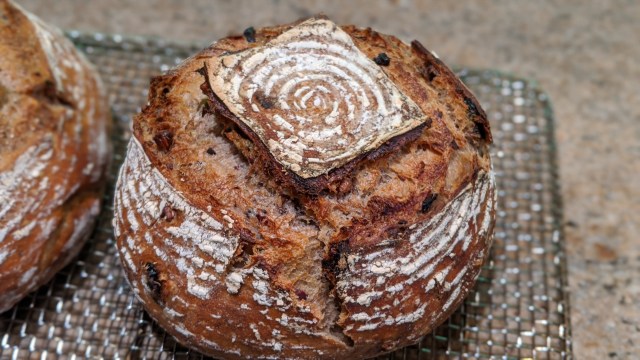
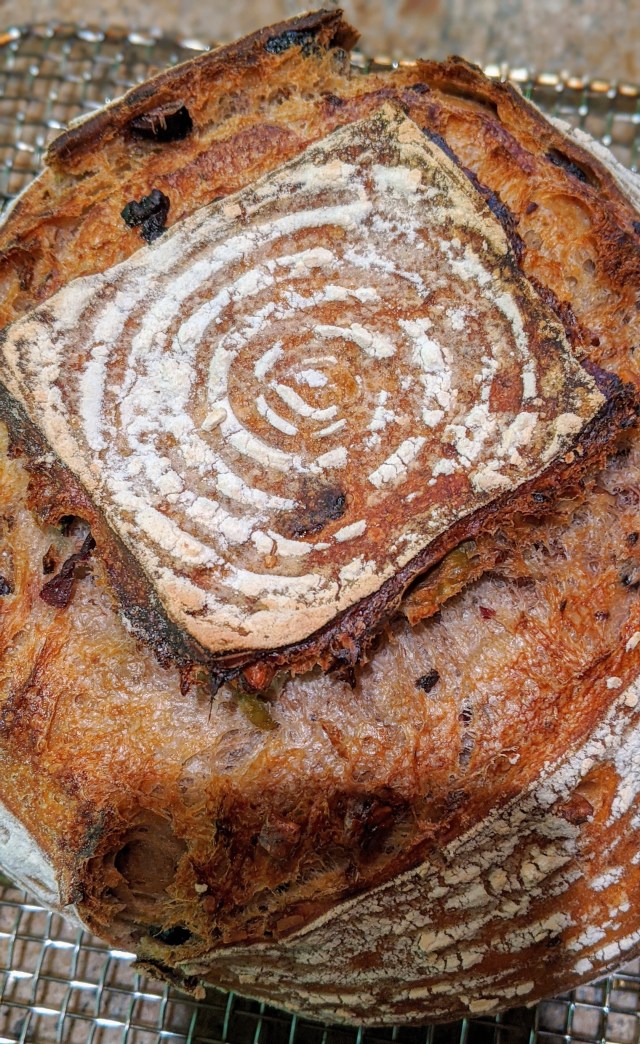
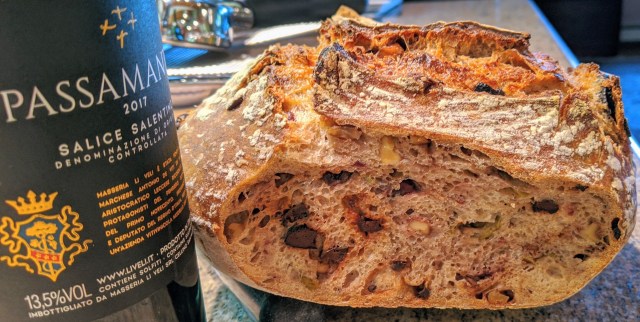
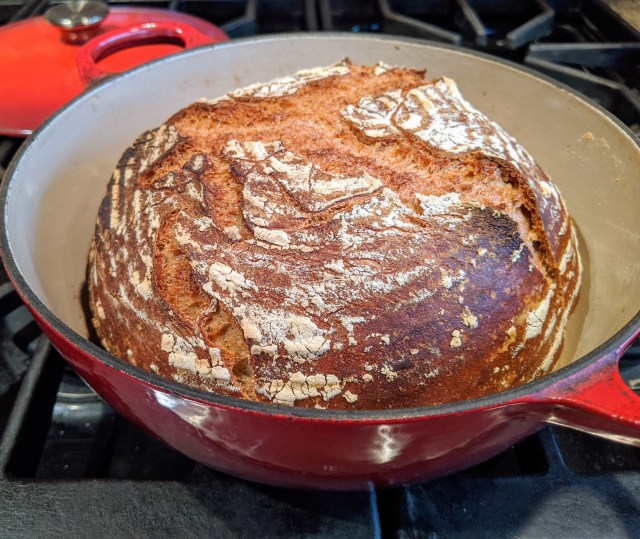
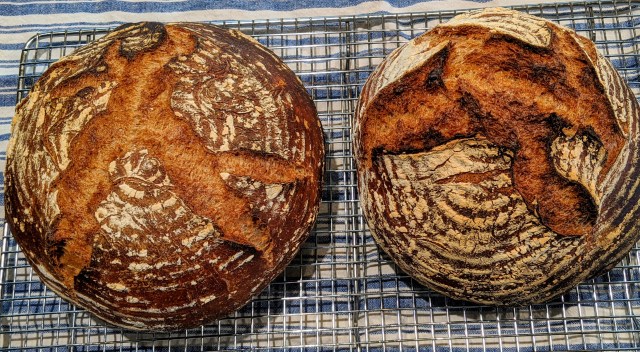
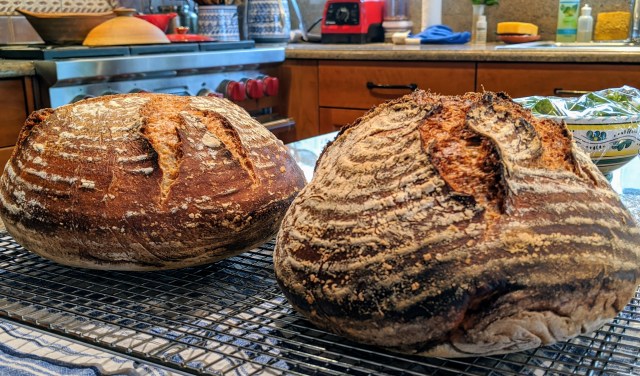
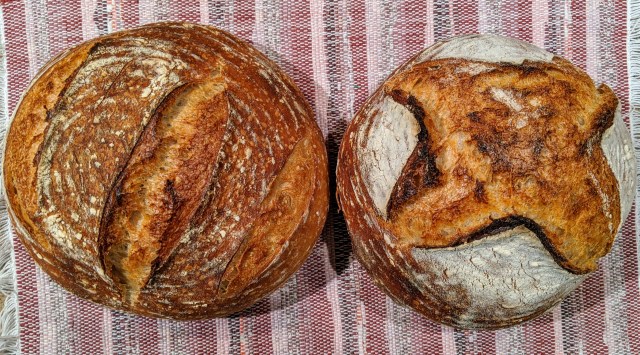
The results were impressive and encouraging.  Here are the visual results.  The tastes are even better, especially when toasted.  I should have left the loaves in the oven 5-10 minutes longer to cook more thoroughly.
 

Posted in Bread, Food, Vegan, Vegetarian | Leave a comment

Braised Halibut with Leeks and Dijon Mustard

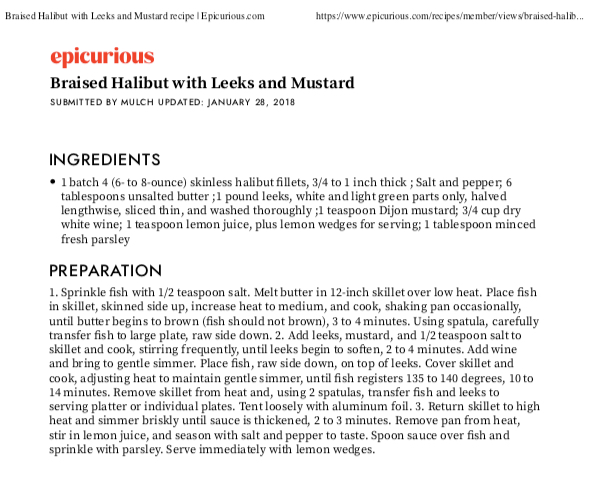
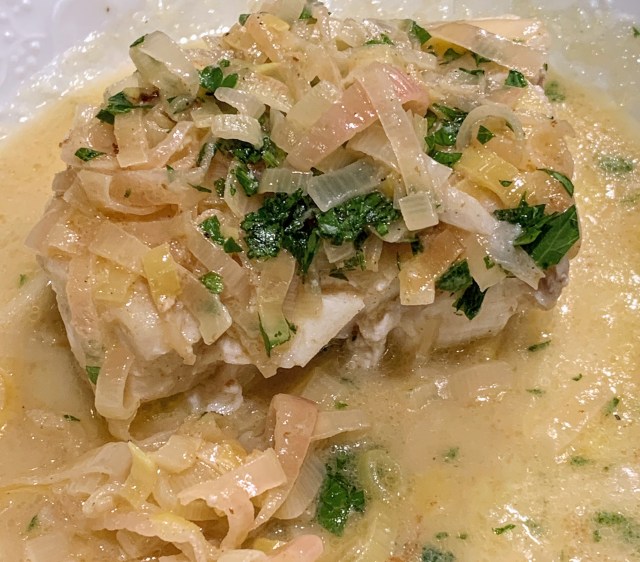
It’s been an exciting and busy week for cooking.  Barbara came home with a lovely piece of halibut from the market, so last night I tried a new recipe to make good use of the fish and available vegetables.  I’ve always liked how braising makes halibut so delicious and preserves its tender texture.  I didn’t have any fish stock available for the braising liquid, so I was delighted to find this recipe which makes its own liquid very elegantly.
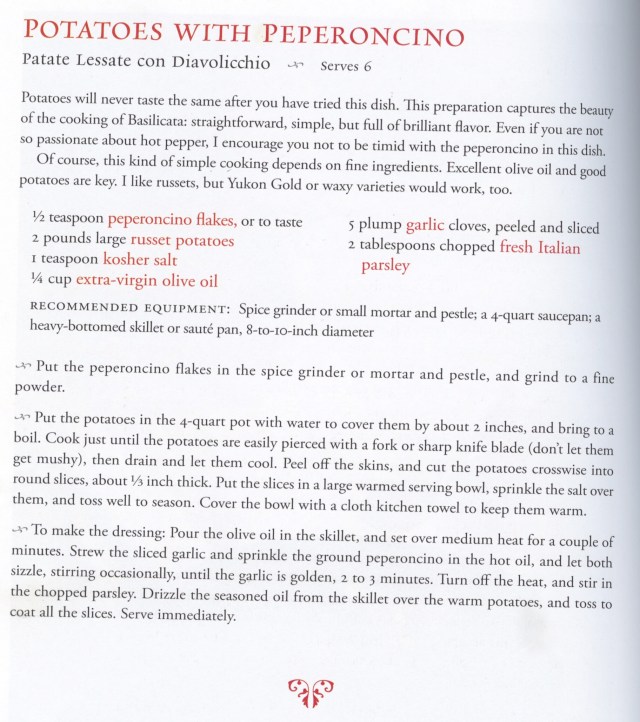
To accompany the fish, I chose to lightly poach asparagus we needed to use up, along with a simple southern Italian potato recipe from Lidia Bastianich — one I have used before successfully.

This recipe was harder to find in my computer files because I had mistakenly titled the file as “Potatoes with Pepperoncino” when I saved it five years ago.  Now I know that the chili flakes should NOT have two pp‘s together — instead it is “peperoncino”.

The other adjustment required was to save those little flakes separately, just for my plate, since Barbara can’t tolerate peppers or hot stuff.  The dish came together beautifully, and we had a little fish and sauce leftover for another day.

The wine was already open from a few days earlier, a fine Greco di Tufo from Campania.

Posted in Food | Leave a comment

Octopus, Revisited — or Harold McGee, I Love You.

I’ve written about Octopus 18 times in the past 8 years.  I think that’s some indication of its importance to me in a culinary sense.  Two years ago, I wrote that I Finally Learned How to Cook Octopus.   Within a year, I discovered Chef Jessie Schenker’s approach, and found it to be my preferred way of cooking octopi.  His method produces excellent results, but it’s complex and time-consuming, so the few times a year I actually buy and cook one, I am usually open to an alternative solution.  Especially one that’s easier and quicker.

To the rescue this week came the well-known food scientist, Harold McGee.  I have read his book, On Food and Cooking, as well as many of the articles that have been published.  He is a wealth of information, and his research is thorough and well-documented.

So when I defrosted the octopus I had in the freezer over the weekend, I was preparing to cook it Tuesday.  Recalling that I had seen and saved a copy of a blog post he wrote on Octopus, I looked it up in my Dropbox recipe files and found it quickly.  In addition to the article detailing his testing, I found a very short recipe in his conclusion.  Entitled (probably by me when I filed it) “Essence of McGee on Octopus”, here is what it said:

This was so concise, and radically different from almost everything I had read, I thought “I must try this.  If it works, Huzzah!  If not, I’ll throw it out and try again later.”

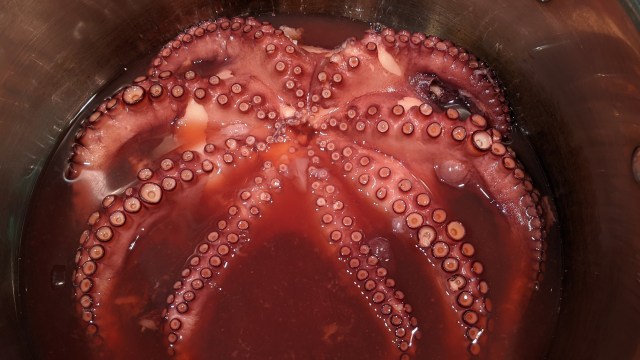
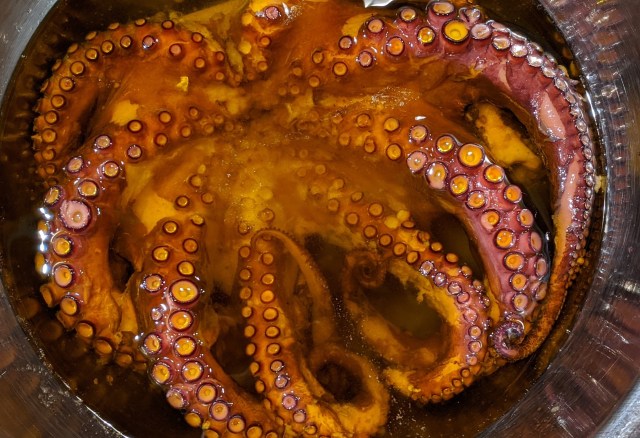
It was stunningly easy, mostly hands-off.   My only real task was checking my oven to see if the temperature was really accurate.  It wasn’t, so I adjusted to 215° F. to keep it at 200. About 3.5 hours later, it was all done!  Cooked perfectly.  Full of flavor.  No added salt.  All I needed to do was to place it (still warm from the pot) in a bowl of olive oil with some lemon juice and a little salt, and let it sit overnight in the refrigerator to absorb the flavors.  After that, I get to enjoy one of my favorite foods.  It’s an unusual fast-food, in that I can take a couple of tentacles out of the oil when I want to eat, and just slice them or grill them, add some accompaniment, and I have a meal.

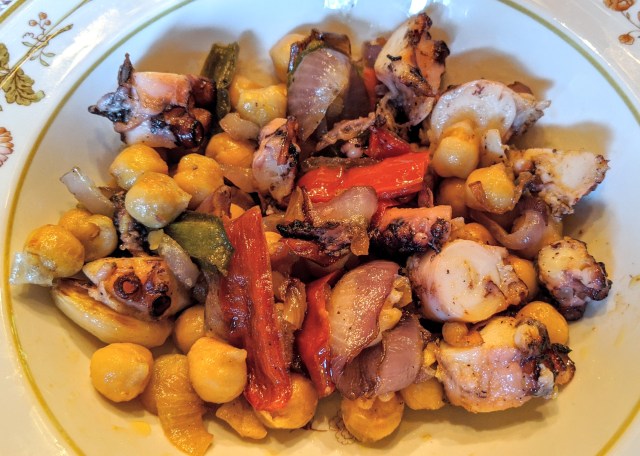
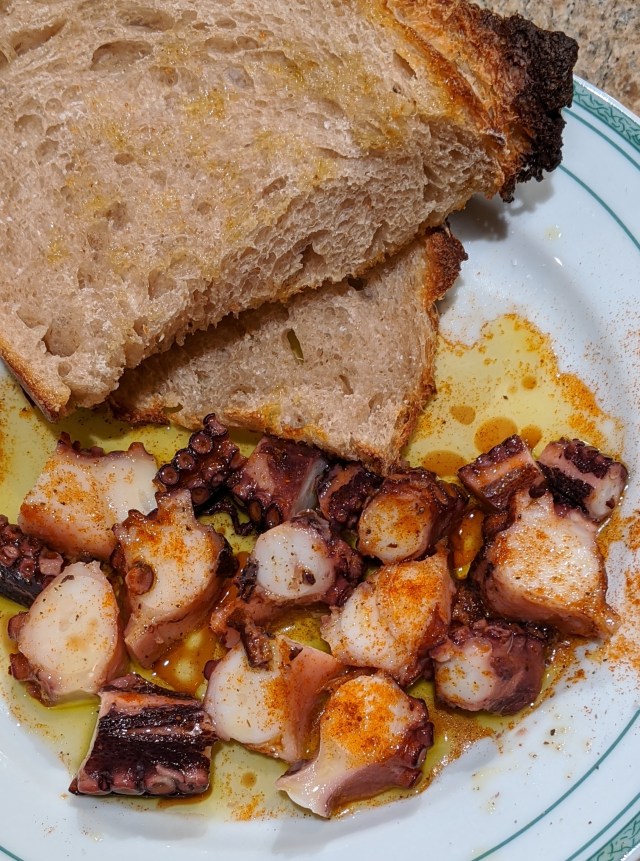
The photos show it in the pot after cooking, then in the olive oil bath, followed by a lunch plate of grilled octopus with chickpeas, garlic, onions, and sweet peppers (yesterday), and a small plate today of Pulpo A La Gallega (thank you, Eric Ripert) with two slices of my Tartine bread, fresh out of the oven.

All I can say is, “Huzzah!!

Posted in Food, Greek food | 1 Comment

Tartine Bread Redux

Redux: from Latin, from reducere ‘bring back’.

I started making sourdough bread in 2011.  As I’ve described in previous posts, Chad Robertson’s book, Tartine, was my bible for the first few years.  It was also a favorite since I had often been to Tartine Bakery when I visited San Francisco.

Now that I have explored and made good use of Ken Forkish’s book and bread-making techniques, I’ve been looking for ways to improve the breads I bake.   A week ago I pulled Chad’s book off the shelf and re-read the key sections.  I also examined my bread log notes from that era, to see what I liked best.  One item stood out: the day after Christmas in 2011, I made an Olive-Walnut bread, per instructions in Tartine, page 88 (albeit with half the quantities specified for olives and walnuts).  My bread log noted that this was a Star.

I decided to try to do it again yesterday (actually beginning last night, making the levain), finishing the baking today.  Like all of the breads in the book, the recipes are pure levains, with no additional dried yeast.  Last time the two loaves for this recipe were made with 800 g KAF bread flour and 200 g whole wheat.  This time I had only 126 g of the Turkey Red Flour already milled for my whole grain.  Not wanting to open a new package of the Turkey Red Wheat Berries for just 74 g, I changed the formulation to 874/126, with the same 750 g of water.  I was a bit worried that my sourdough starter was not vigorous enough, but it was too late to do anything about now.

Below are the two loaves that resulted.  Pretty good lift, structure, and taste.  I’m planning to use some for dinner to accompany Roasted Red Pepper and Eggplant Soup.

Posted in Bread, Food, Vegan, Vegetarian | Leave a comment

Antipasto for Lunch, Herbed Artichoke Galette for Dinner, and Black Peppercorns for Everything

Antipasto

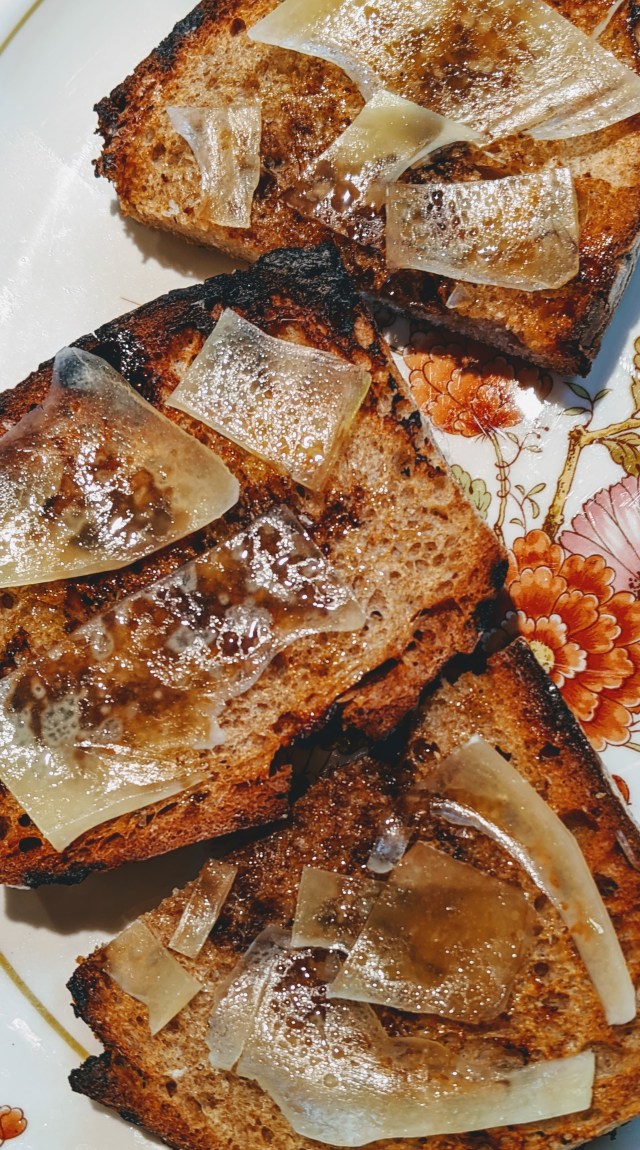
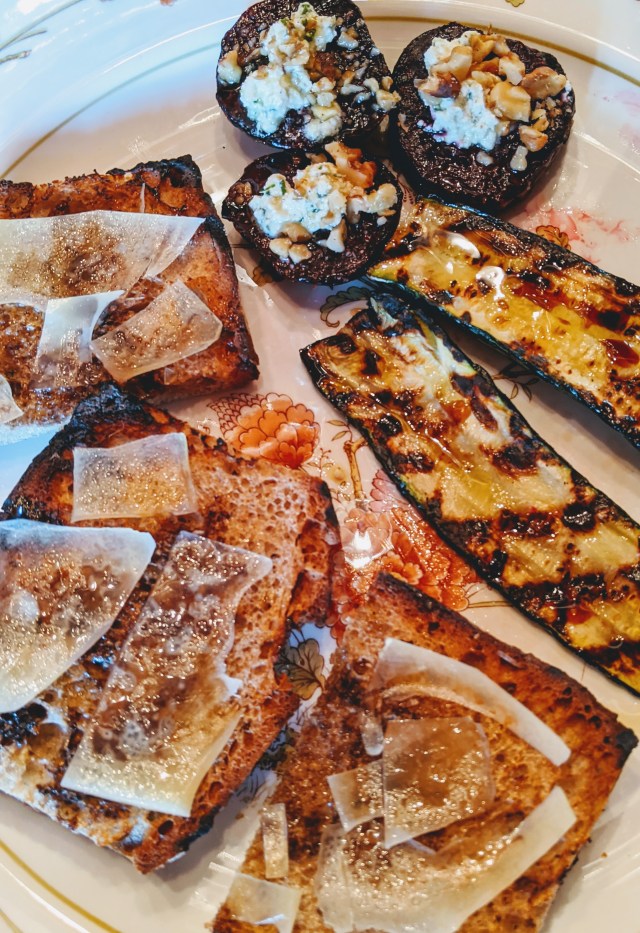
I had defrosted the second loaf from my last batch of 40% Whole Wheat Bread, so it was time for Bruschetta at lunch.  One recipe that caught my eye recently was Bruschetta Bianca from the Union Square Cafe cookbook.  It featured white truffle oil, good balsamic vinegar, and thick, grilled bread with some Parmesan cheese shavings on top.  I had the ingredients, except for the Parmesan, so I substituted shaved Sardinian Pecorino instead.

That part was easy, but — as always when I start cooking — complications arose.  One was my need to attend to two small cooked beets that were about to expire.  In fact, the weird white spots growing on their surfaces made me worry that they already had.  I washed and wiped them off vigorously, and I smelled them carefully.  There were no further indications of decay, so I proceeded.  Since the grill was heating up for the bruschetta, I sliced the beets vertically, added olive oil and Alaea Sea Salt from Hawaii, and seared them on both sides.  The next step turned out to be a huge success.  I topped each beet slice with the whipped feta cheese I’ve been putting on everything I can, plus some toasted chopped walnuts, leftover from the recent fresh pasta dish.  Magnifique!

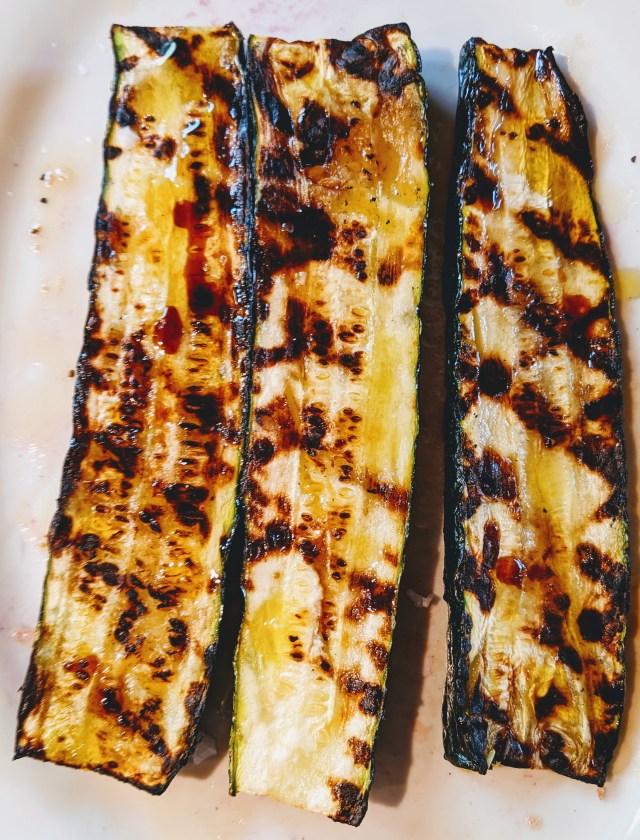
The other addition was some grilled zucchini, since I needed to use an older one, as Barbara was putting three new ones in the refrigerator this afternoon.  Three lengthwise slices gave me the right thickness for grilling, and olive oil and balsamic vinegar provided the flavor enhancers.  Antipasto for one, just to my specifications.

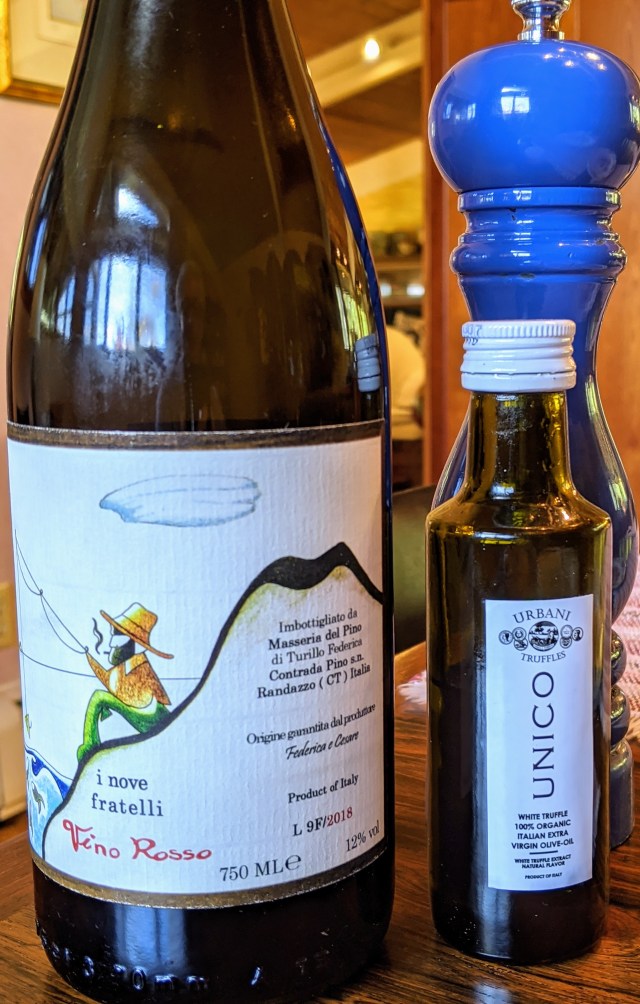
Jan D’Amore’s Masseria del Pino Sicilian Nerello Mascalese was just right for the meal.

Artichoke Galette

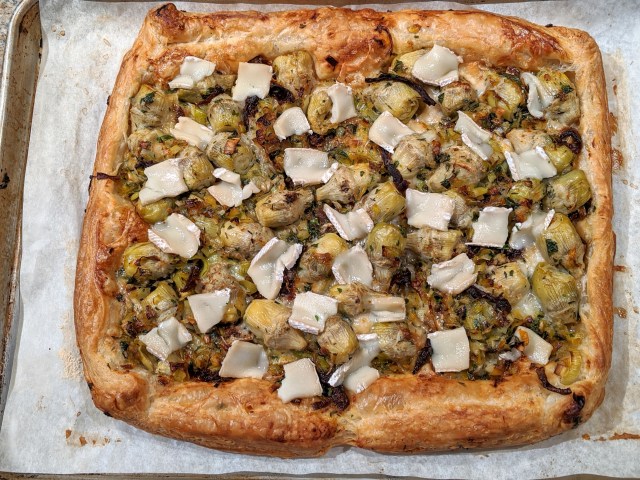
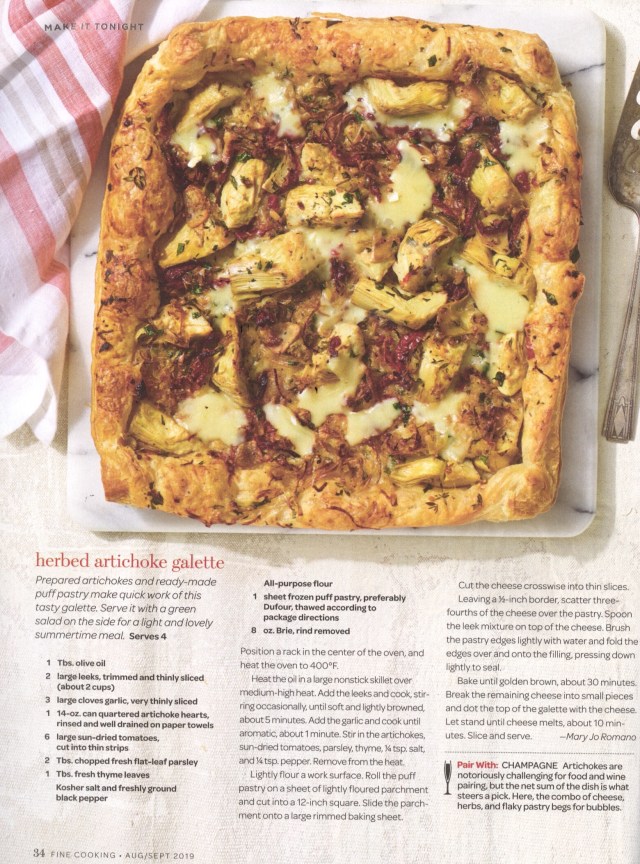
Three months earlier Barbara had made this Galette for our Public Library’s cookbook club get-together.  She did it again this week, and it was even better.  Here is the finished product, and the recipe from Fine Cooking.

Black Peppercorns

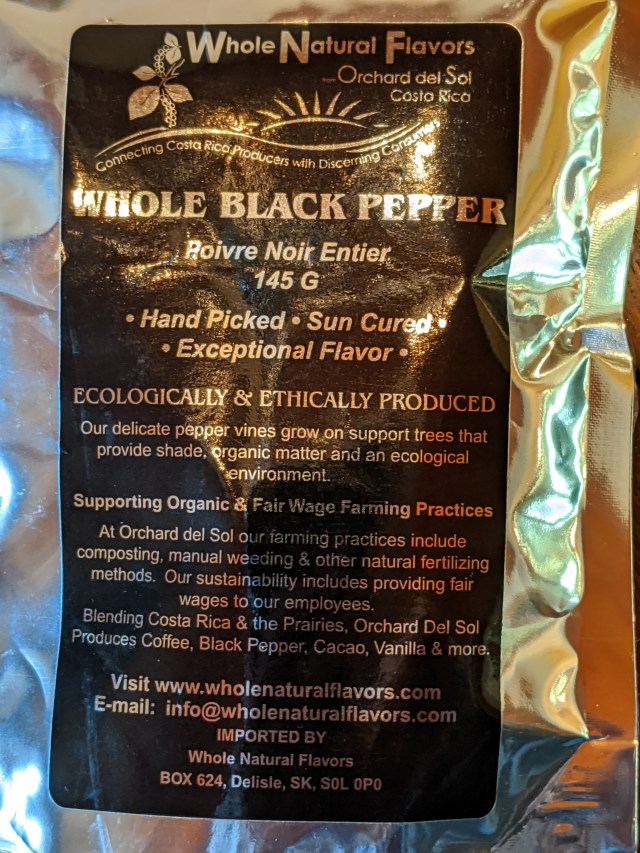
One more thing I have to share with you.  We are back in stock with Black Peppercorns, and these continue to be the very finest we have ever used.

Several years ago my brother and his partner were in Costa Rica for fun and education, and they brought me back a small package of organic peppercorns from Orchard del Sol.  They were the most fragrant and balanced peppers we ever encountered.  Carole and Joanne, the ladies who run this little business live in Saskatchewan, Canada, and they work with growers in Costa Rica.  It’s a big contribution to sustainability, a tribute to the global economy, and it has made us happy and healthy for years.

The only challenge has been re-ordering.  For those of us spoiled by the high touch, constant-contact online firms like Amazon, La Tienda, and the like, we are used to easy, quick, well-informed, package-tracked transactions, 24 x 7.  Though their products are peerless, the ordering process was not. Now they have a new website, and I think that will work much better.

For those interested, here is the package:

Posted in Almost-Vegan, Food, Vegetarian, Wine | 3 Comments

Grilled Basque Ham and Cheese, Capri-Style Chocolate Walnut Torte

My thing is lunches, Barbara is the reigning expert on desserts.

Two recent examples: I made a grilled cheese and ham sandwich lunch the other day.  It was Basque-inspired, using a sheep milk cheese from the Basque region in France, and some prosciutto which was probably Italian, but could easily have been Basque as well.  For taste and color I added some chopped plum tomato and Basque guindilla peppers that were outstanding.

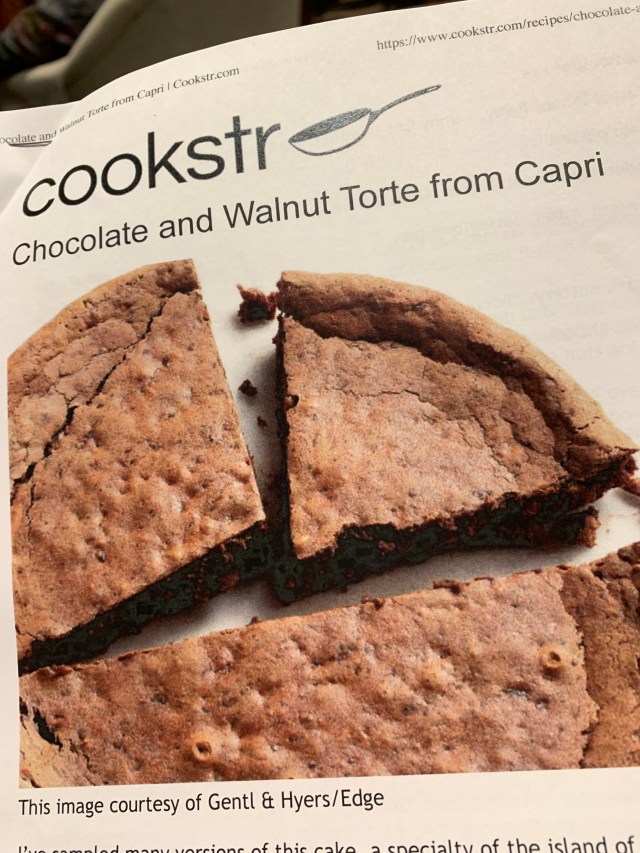
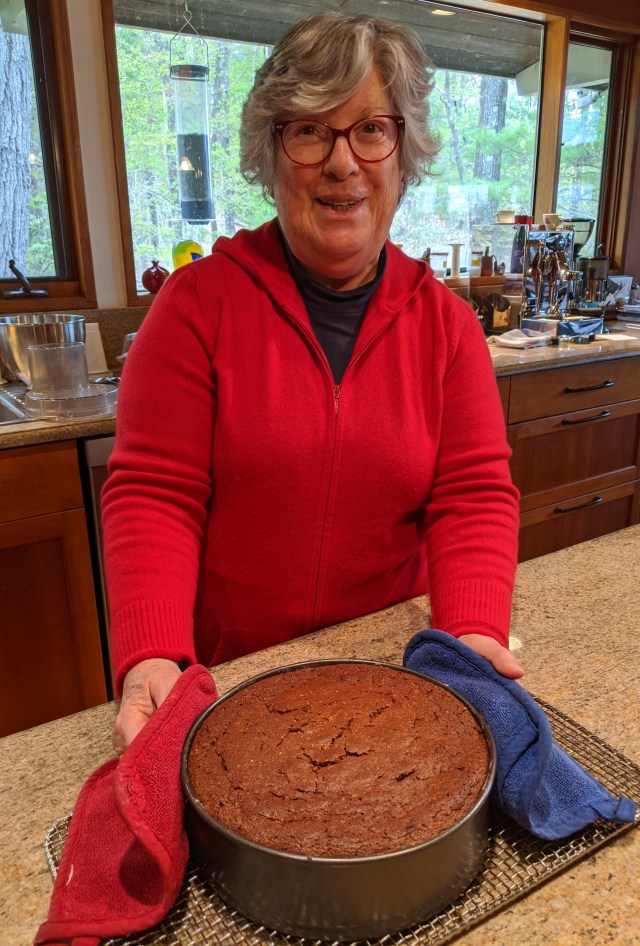
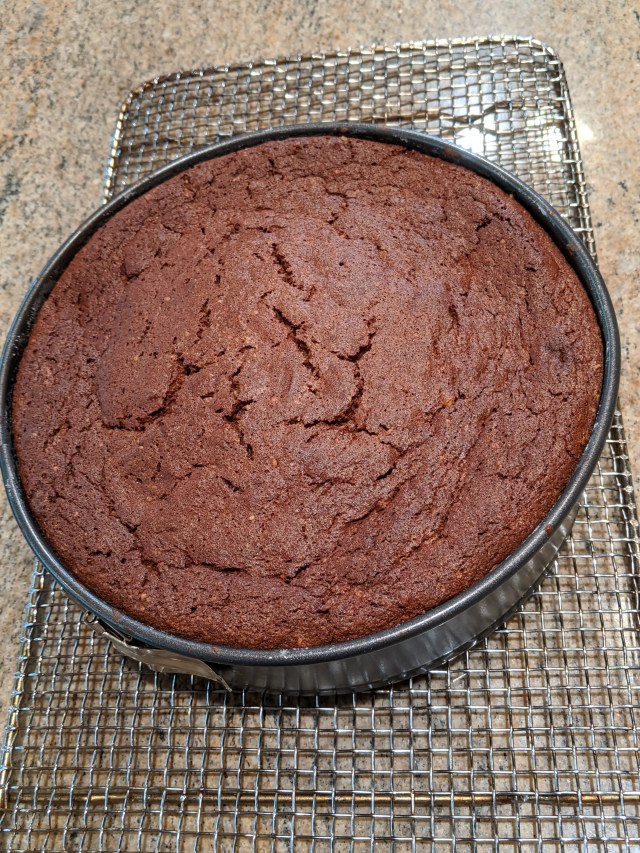
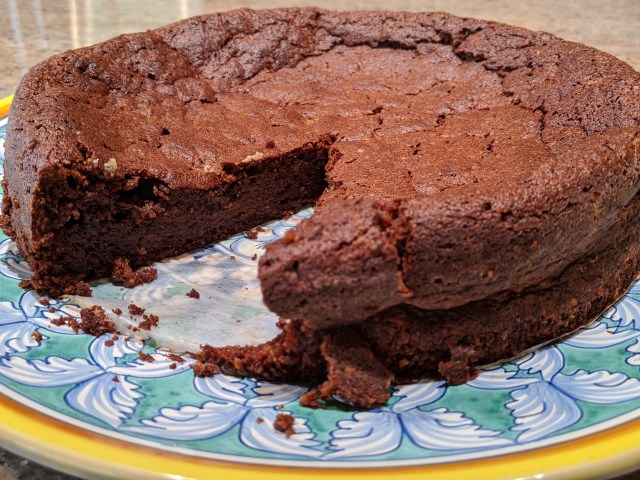
That night Barbara did her thing beautifully.  I have been looking for ways to enjoy our recent wealth of organic walnuts, so I researched walnut tortes of various kinds.  Several looked attractive, but when I consulted with her, the verdict was clear — it would be a chocolate walnut torte, popular traditionally from Capri, the isle off the coast of Naples.  The walnuts and I were very happy with the results.

Here is the recipe (vegan) from Cookstr:

Chocolate and Walnut Torte from Capri | Cookstr

Posted in Food, Vegan | Leave a comment

Ikarian Baked Vegetables, Improved

We’ve been reading and cooking with the book, Blue Zones Kitchen.  It’s interesting reading, contains some good recipes, and it fits well with all we have learned about healthy food and lifestyles in the past 10 years and more.  We are particularly attracted to the sections on Sardinia, Ikaria, and surprisingly, Okinawa.

Recently, I made a simple baked vegetable dish, Ikarian Winter Ratatouille, for dinner.

The dish was disappointing in three ways.  First, the timing was way off.  I think it was low by a factor of two, and the temperature needed to be higher as well.  Second, it was pretty bland, not much flavor.  Finally, the photo does not match the recipe well; different ingredients, vegetables cut in different sizes, etc.

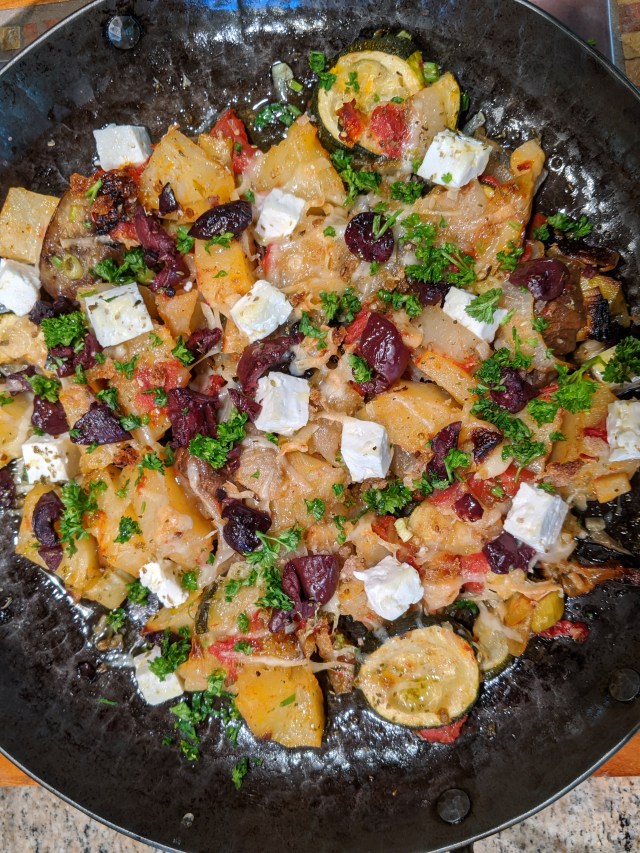
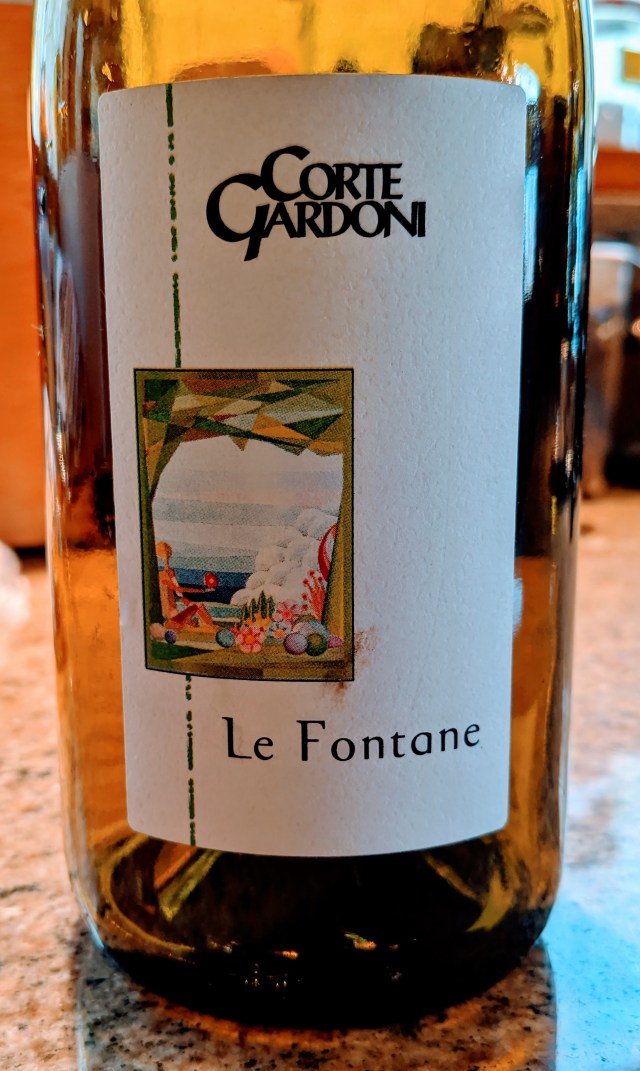
The next day, however, I made a much-improved version with the leftovers.  I preheated a heavy, hammered steel pan, and then added a little olive oil, the leftover baked vegetables, some cubes of feta cheese, dried homemade whole wheat breadcrumbs, and chopped Kalamata olives.  With the broiler on high (and watched carefully to prevent burning), it became a crispy, flavorful rendition.  I enjoyed it with a glass of 2018 Corte Gardoni Bardolino Le Fontane.


Posted in Almost-Vegan, Food, Greek food, Vegan, Wine | 2 Comments

Random Post During Quarantine

Sometimes I worry I’m about to go past my expiration date.  That thought occurred to me a few days ago, when Barbara noticed a very large bird in a tree alongside our driveway.  “Looks like a raptor of some sort,” she said.

I decide to walk outside and investigate.

As I passed below him, I noticed another bird in the air, and then the one in the tree took off, too.  It suddenly was very clear that they were vultures.

That’s when I decided to check my expiration date.  Good news: I have not exceed the “best if used by” date yet.


Posted in Nature | 1 Comment

New Pasta Dish, but No Food Photos

Sometimes I get so absorbed in whatever I am cooking that I forget (or don’t have time) to take any photos.  This was pretty much the case last night at dinner.

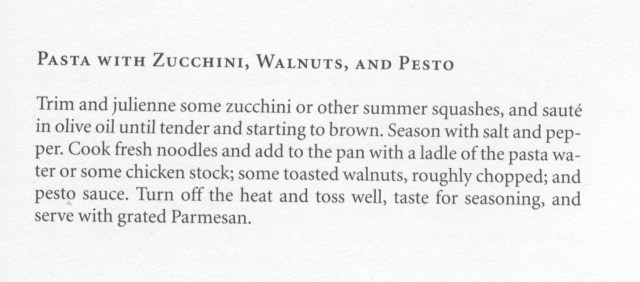
Things started simply enough.  I was inspired by a delightfully spare suggestion from Alice Waters’ cookbook, Chez Panisse Vegetables.  Here was the entry:

“I can do that,” I thought.  We have zucchini, I just bought a case (24 1-lb. bags) of organic walnuts from California, and we now have some Genovese pesto from Gustiamo.  Seems like a win all around, but it will take time to make the fresh pasta.  No worries.  I have time.  And flour, appropriate pasta flour.  Let’s go!

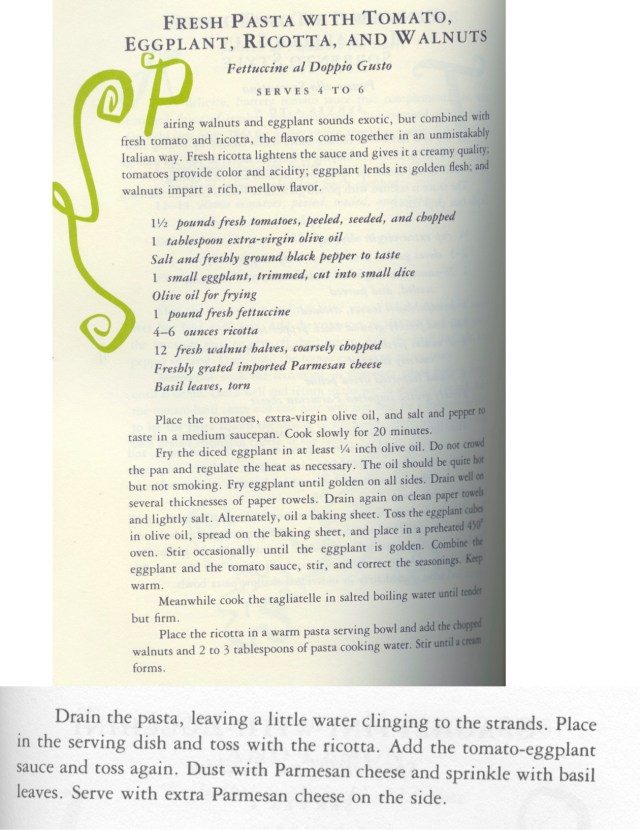
Of course, when I have time, I tend to think about options — to make the best dish I can, with what’s available.  That’s when things get a little more complicated.  I’m always conscious of what’s in the refrigerator that may need to be used before it spoils.  A small graffiti eggplant was in the category, so I decided to consider that.  Also, since walnuts don’t appear in too many recipes with eggplant, I decided to do more research in my cookbook collection.  Viana LaPlace’s book, Verdura, popped up with a recipe that included both — Fresh Pasta with Eggplant, Tomato, Ricotta and Walnuts.  That intrigued me, but alas, we had no Ricotta.  Hmmm, what to do?

How about making a dish that combines ideas from each of these?  Instead of ricotta, I had a small bowl of whipped feta cheese I made a few days earlier.  That would go nicely.  And we had only one small plum tomato, and I liked the idea of the julienned zucchini, so I made Fresh Pasta with Eggplant, Zucchini, Tomato, Whipped Feta Cheese, and Walnuts.

My fresh pasta was made from 100 g ’00’ flour plus 100 g Maiorca flour, plus 2 extra large eggs, a little salt, and a glug or two of Sicilian olive oil.  The rest of the steps:

  • julienne the zucchini on a mandoline
  • dice the eggplant
  • salt the vegetables for 1/2 hour, then wipe dry (multiple paper towels), and sauté separately, then keep warm in a 200˚ F. oven
  • peel and finely dice the plum tomato
  • toast the walnuts in a cast iron skillet, cool completely, then chop coarsely
  • grate the Parmesan cheese and take the whipped feta cheese out of the refrigerator
  • cook the pasta, drain, and save 2 cups of pasta water
  • place the feta cheese at the bottom of a warmed serving bowl, add some of the pasta water, then add the cooked pasta, zucchini, eggplant, chopped tomato, and the walnuts
  • mix everything together well and serve in big pasta bowls
  • pour a glass of Masseria del Pino Nerello Mascalese
  • ENJOY

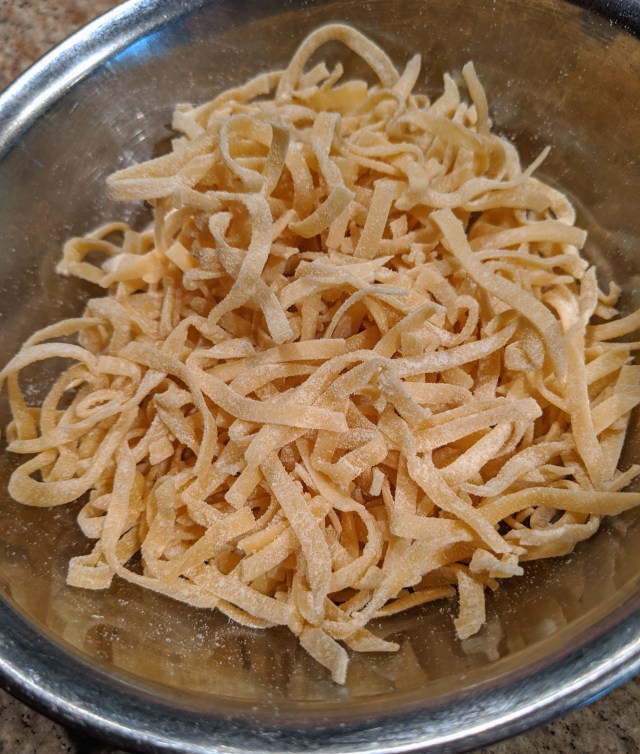
The only food photo is the uncooked tagliatelle, since I used 2/3 of the recipe for the meal.

Posted in Almost-Vegan, Food, Vegetarian, Wine | Leave a comment

Bread. Pizza. Paella.

All the basic food groups.  Making and eating these provide some of our very best comfort foods.  And they’re pretty healthy, too.  Let me share these dishes from the past few days.

Bread

I’ve been making two different breads with more regularity now.  One is the Field Blend #2, a hybrid levain.  The other — and most recent — is an Overnight 40% Whole Wheat, without levain.  The process begins at about 1 PM on Saturday, mixing and autolysing the flours — in this case 60% King Arthur White Bread Flour, 38% Turkey Red Whole Wheat from Breadtopia, and 2% home-milled Rye Flour made from Sprouted Grains Rye Berries.  The total is 1,000 grams of flour, for two loaves.

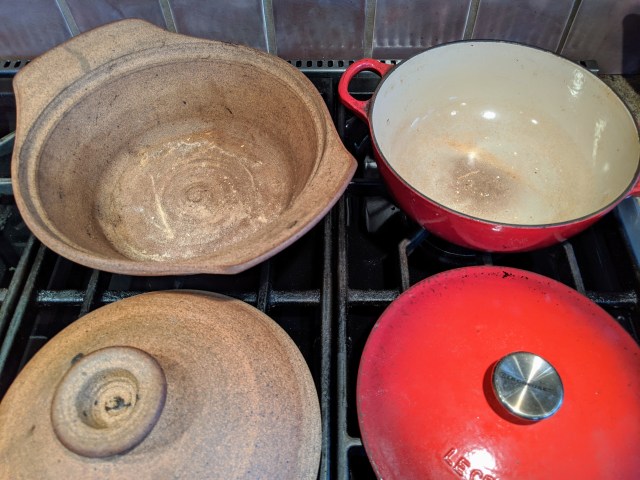
Later in the day I add 23 grams of Diamond Kosher salt and 4 grams of active dry yeast.  After mixing those into the flour, and stretching the dough several times over the first 2 hours, I let the dough rest.  By 8:00  or 9:00 PM, the bulk fermentation is essentially complete.  At that point I can take the dough out of the plastic tub, cut in in half, and form two loaves.  These are placed in rattan cane bannetons, placed in plastic bags, and put in the refrigerator overnight to finish their development.  The next morning the breads get baked at 475º F. in Dutch ovens — covered for the first 30 minutes, then uncovered for another 15-20 minutes to finish browning.  Finally, they rest on a wire rack for two hours, and then we slice and eat them.

Pizza

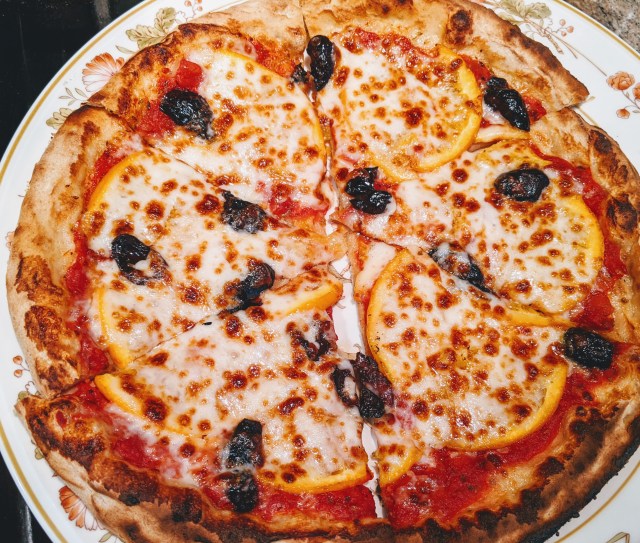
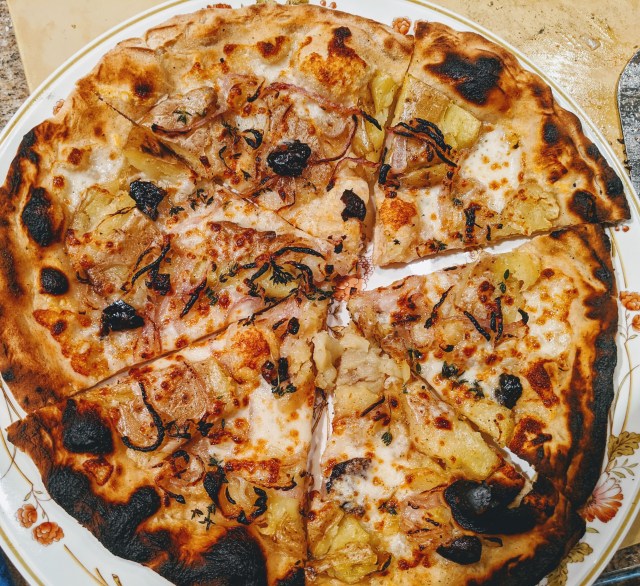
After a relatively cool Spring, we tend to leap at the chance to make pizza when we have a warm day.  I build the wood fire, Barbara makes the dough and prepares the toppings, and she rolls out the dough to a thin crust, placing each one on a wooden pizza peel, sprinkled with a handful of coarse polenta grains to help the pizza slide smoothly into the oven.  Finally, I carry each peel out to the oven in the driveway — one at a time — and fire it, turning the pizza regularly for the 2-3 minutes it takes to bake each one.

This time we did three different pizzas:

  • orange slices, black oil-cured olives, tomato sauce and Mozzarella (two of these)
  • zucchini strips and sliced onions, tomato sauce and Mozzarella
  • and my newest formulation — smashed fingerling potatoes, roasted red onion slices, fresh thyme, Pecorino and Mozzarella cheeses

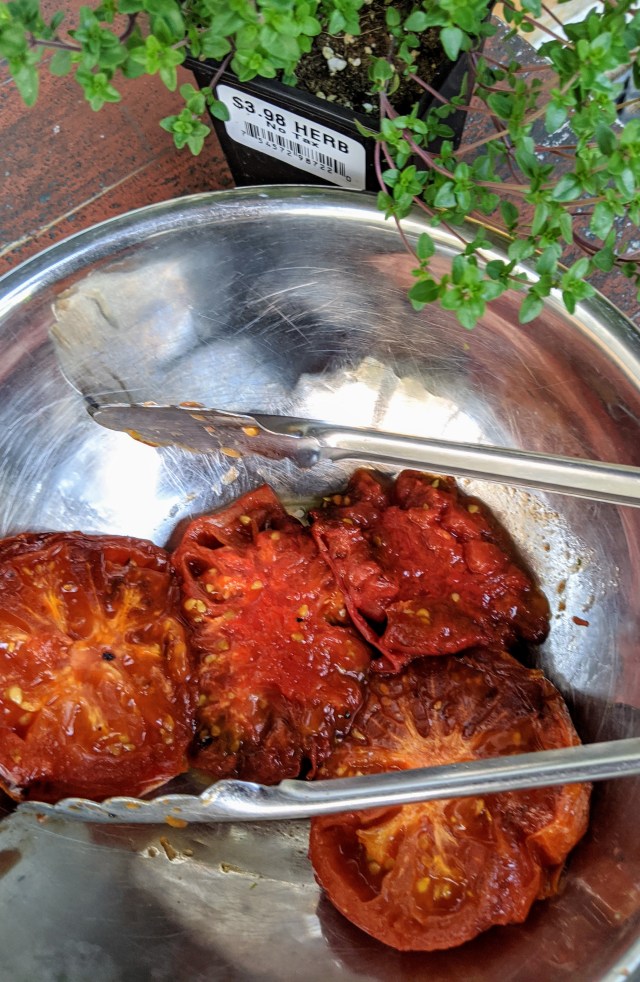
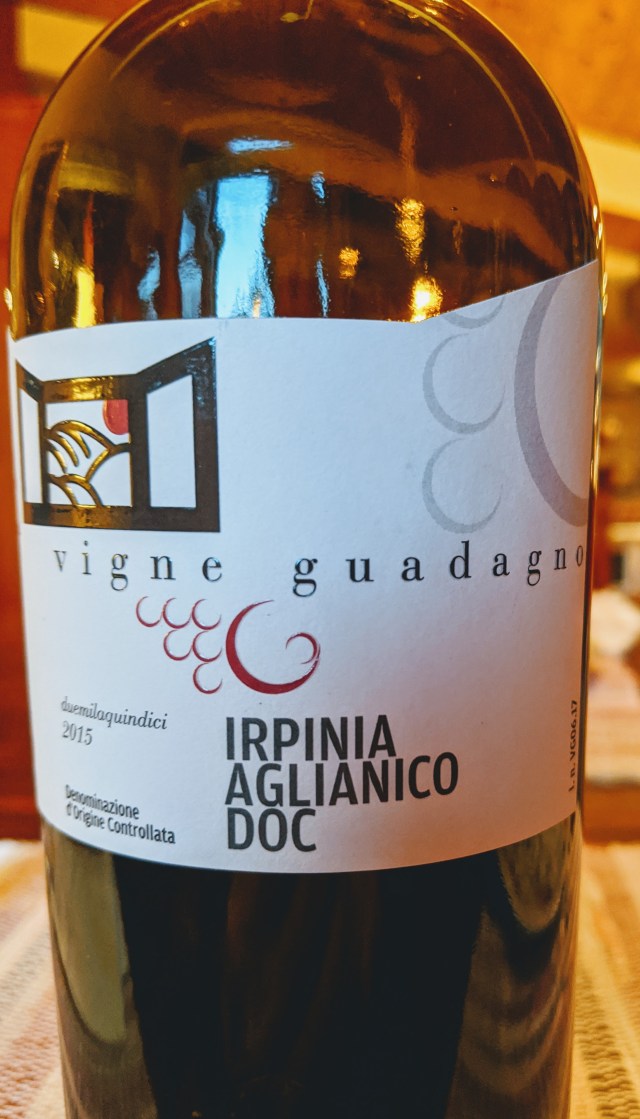
While the oven was still quite hot, I fire-roasted two fresh tomatoes to use in a vegetable dish later this week.  The wine was an Aglianico from Campania.

Paella

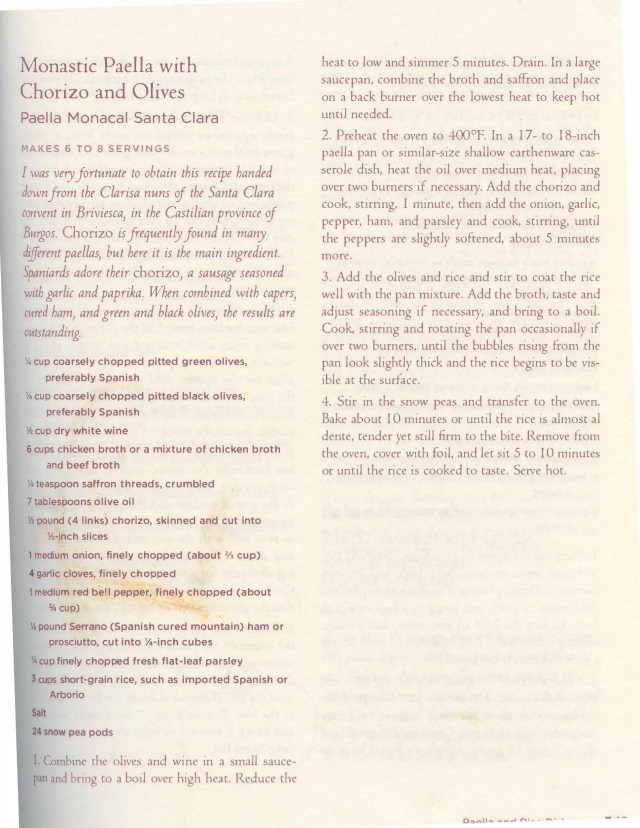
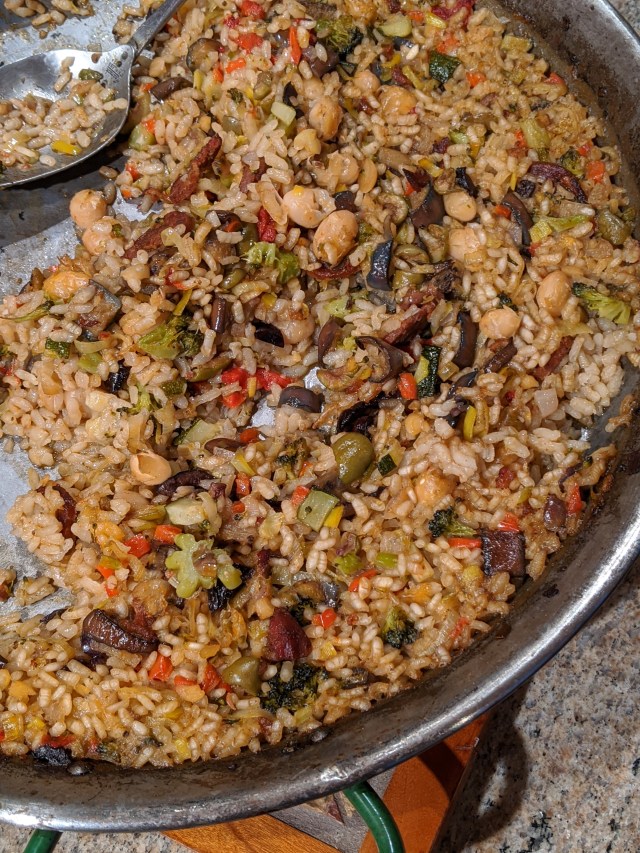
Another favorite is Paella.  I had recently bought 1000 Spanish Recipes, a cookbook by Penelope Casas, and I wanted to use some of the chorizo from my last order from La Tienda.  In the book I found an obscure but intriguing recipe, Paella Monocal Santa Clara, Monastic Paella with Chorizo and Olives.  I modified that recipe a little by dropping out the Serrano ham and parsley, but adding 1/2 leek (diced), a little broccoli (finely chopped), some chopped leftover zucchini strips, Asian eggplant (small cubes), and white Spanish beans that I had cooked two days earlier.

(You might notice the small orange-colored smear on the recipe below.  That’s from the Pimenton-flavored olive oil in the chorizo.  It was on my hand as I checked the recipe during the cooking.)

A glass of the Aglianico completed the meal.

Posted in Food, Wine | Leave a comment